Kyoto is home to a number of traditional public bathhouses—sento—where you can enjoy a morning bath. In this article, we introduce a selection of sento unique to Kyoto, inviting you to begin your day with a refreshing soak.
In this article
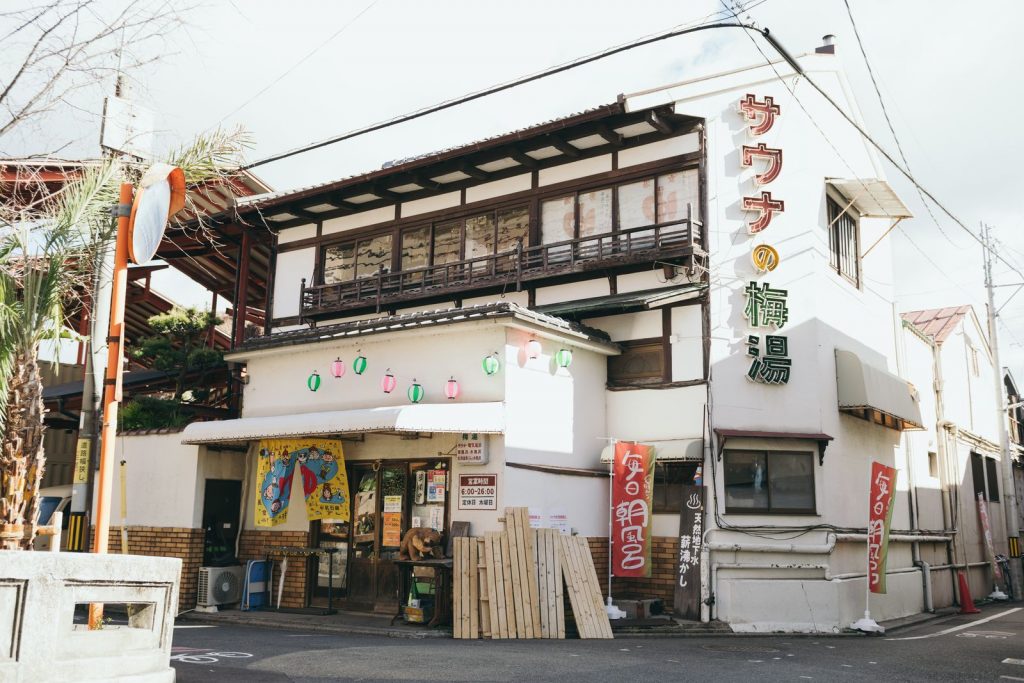
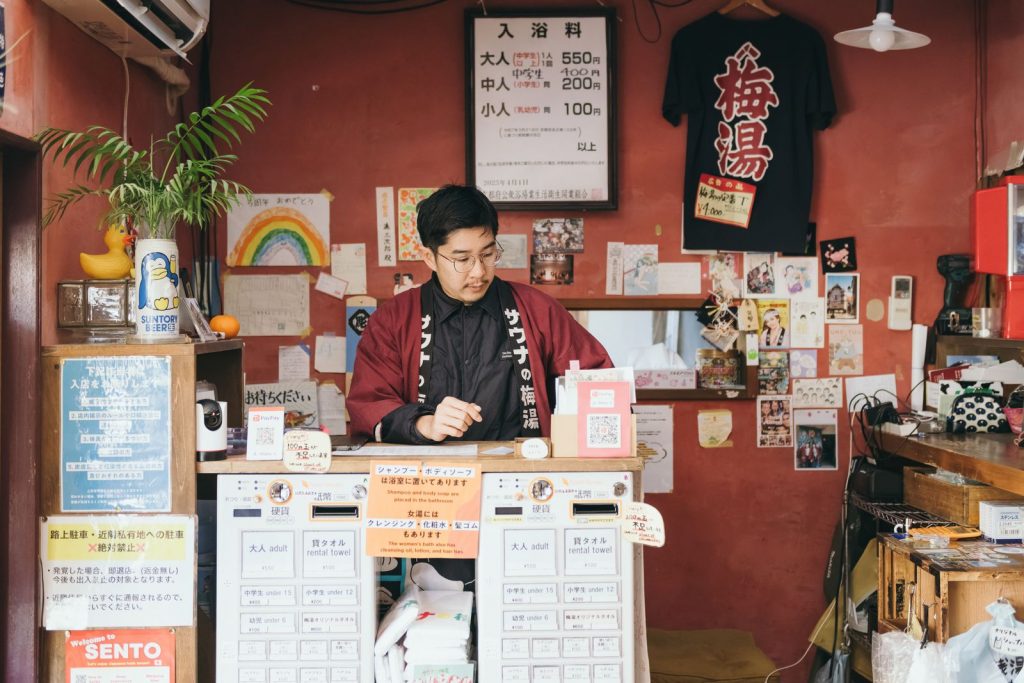
Sauna no Umeyu
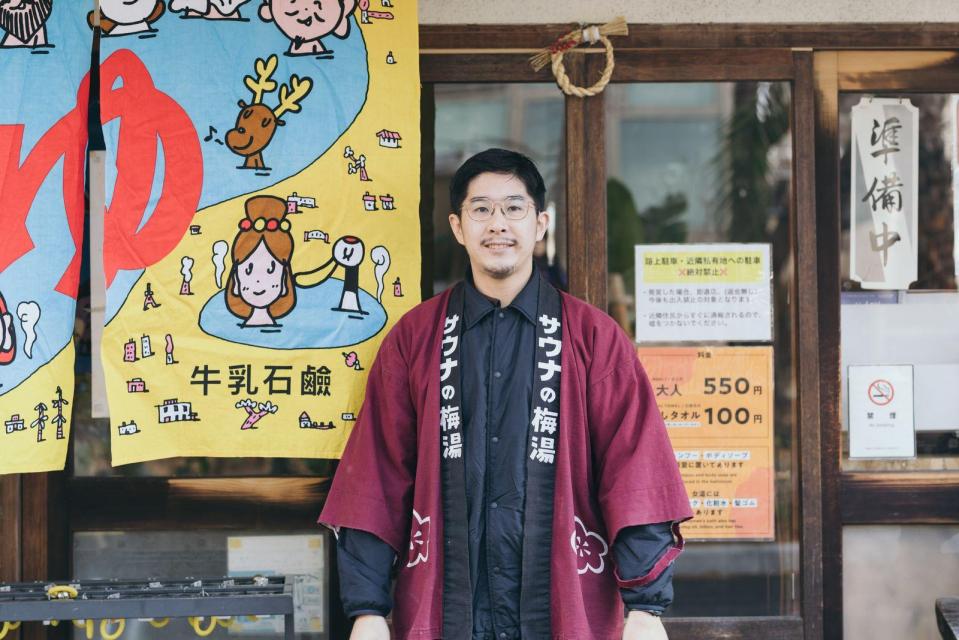
Offering insight into the pleasures of Kyoto’s sento culture is Sanjirō Minato, the representative of Yutonami-sha, whose motto is “Never let sento disappear from Japan.”
He has revitalized sento that were once on the verge of closing, transforming them into popular spots. Rather than simply preserving these historic sento, Minato has reimagined them as spaces where younger generations are encouraged to work and gather—places where new culture can take shape.
Through his perspective, we explore the charm of Kyoto’s sento and ways to enjoy a morning bath.
Sanjirō Minato
Born in 1990 in Hamamatsu, Shizuoka, he moved to Kyoto for university, where he founded a sento club. He has since visited approximately 160 sento in Kyoto and over 700 nationwide.
After working for an apparel company, he left the corporate world to restore “Sauna no Umeyu” in Kyoto.
Today, through Yutonami-sha, he operates ten sento across Japan, including Minamoto-yu (Kyoto), Youki-yu (Shiga), Ninjin-yu (Aichi), Miyano-yu (Osaka), Kamogawa-yu (Kyoto), Minatogawa-yu (Hyogo), Ichino-yu (Mie), Pearl Onsen (Osaka), and Ougi Onsen (Osaka).
His guiding belief: “Never let sento disappear from Japan”
Experiencing Water and Space with All Five Senses
— As you explore Kyoto’s sento, you begin to notice a unique sense of comfort. What is it that so clearly sets them apart from sento in other regions?
“One essential element in understanding Kyoto’s sento is the water itself.
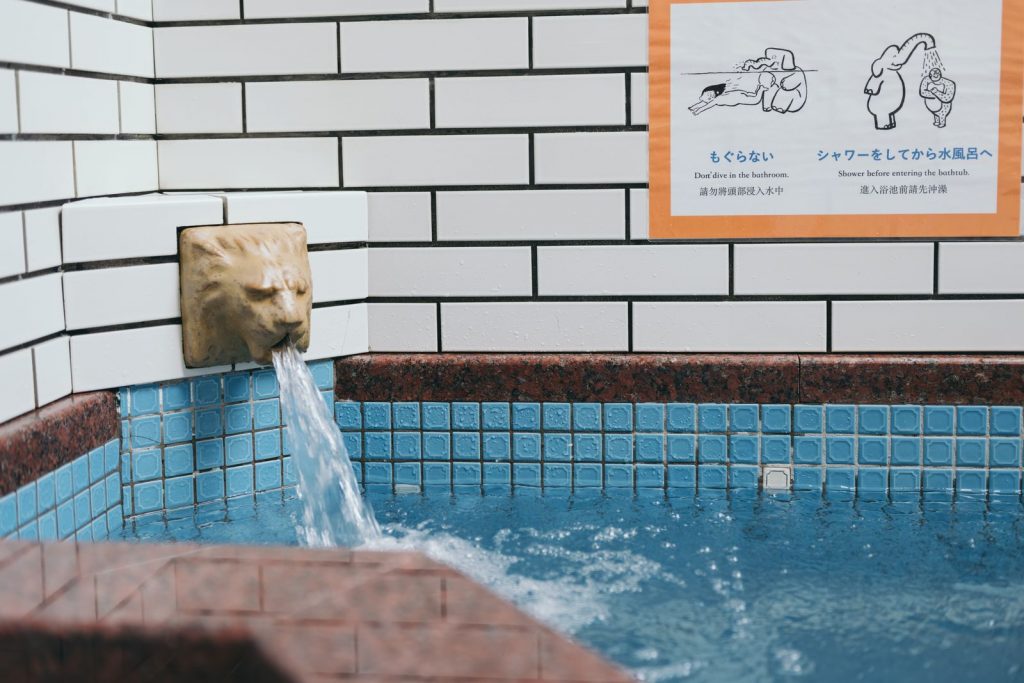
Many sento in Kyoto use underground water. While Kyoto is known for its high-quality water used in sake and other culinary traditions, sento are among the only places where you can fully experience that water with your entire body.
Some sento even use this natural groundwater not only for their cold baths but also for steam saunas. There is a quiet luxury in being able to fully immerse yourself in Kyoto’s pure, natural water.”
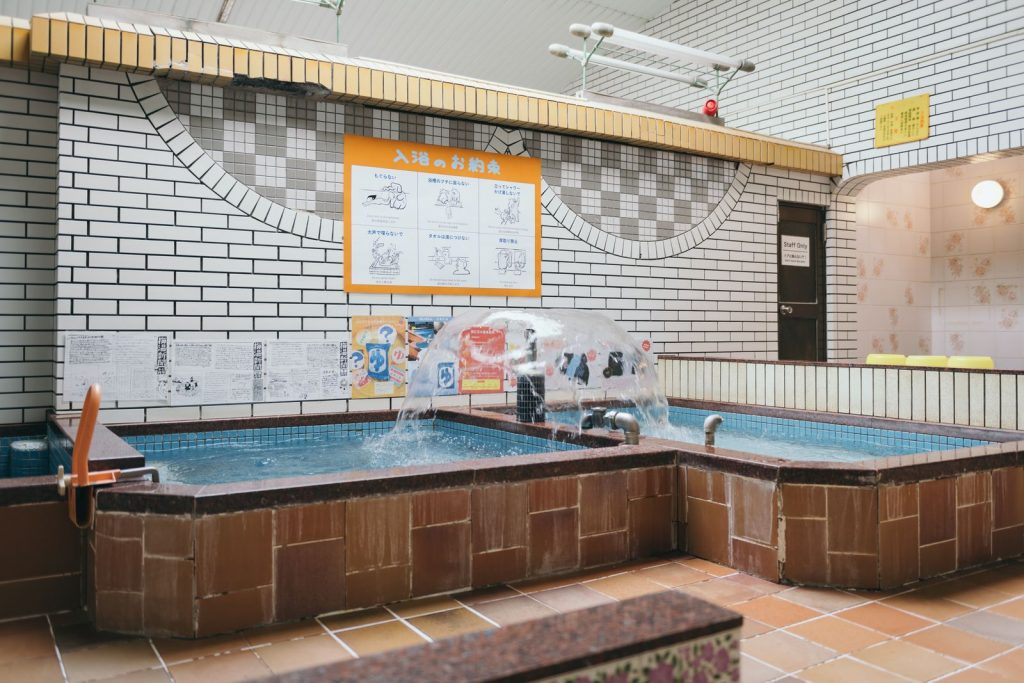
— To be immersed in natural water like that does feel like the ultimate luxury. Are there also architectural features unique to Kyoto?
“The architecture and interior design are equally compelling. Unlike the temple-like ‘miyazukuri’ style often seen in Tokyo’s sento, those in Kyoto tend to resemble enlarged ‘machiya’ townhouses. Within relatively compact spaces, a variety of baths are carefully arranged and each sento offers its own distinct design— all of which is part of the appeal of Kyoto’s sento.”
A Pricing System That Encourages Exploration
— For those visiting for the first time, could you tell us about the pricing system and how easy it is to enjoy?
“In many places, particularly in Tokyo, bath and sauna fees are typically charged separately. However, in Kyoto, most sento allow you to use the sauna as part of the standard admission fee. Because the overall cost tends to be lower than in other regions, the financial barrier is noticeably reduced. With that added flexibility, it becomes easy to visit another sento afterward—what people sometimes call ‘sento hopping,’ something you can easily enjoy in Kyoto.”
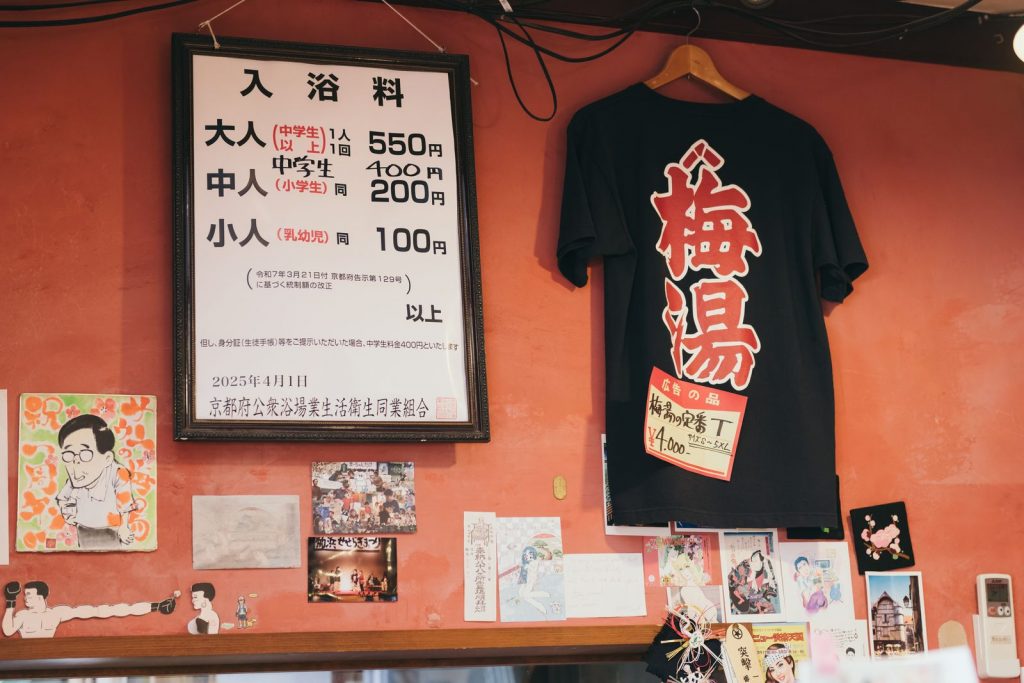
A Journey into Everyday Life, Paired with a Walk Through the Neighborhood
— What is the appeal of choosing a sento as a destination in itself?
“By making a sento your destination, you naturally find yourself wandering down narrow streets you might otherwise overlook, and encountering small, independently run shops frequented by locals. Sento serve as an integral part of everyday life in the community, and around them unfolds an authentic, everyday side of Kyoto.
Stopping by local shops along the way, discovering places not found in guidebooks—this more lived-in way of exploring the city is one of the pleasures of making sento the focus of your trip.”
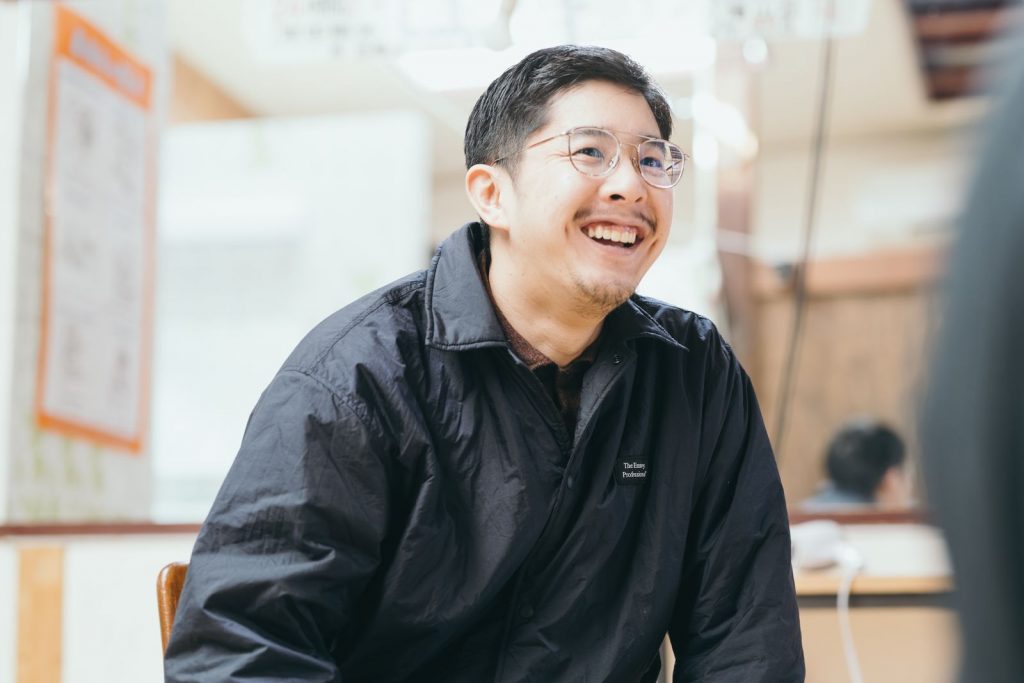
— Does the atmosphere of a morning bath differ from that of the evening?
“In addition to regular patrons, you will find people stopping by before work, travelers beginning their day here, and many visitors coming on their own. It has a different feel from the evening, you can get a glimpse of Kyoto’s morning routine.”
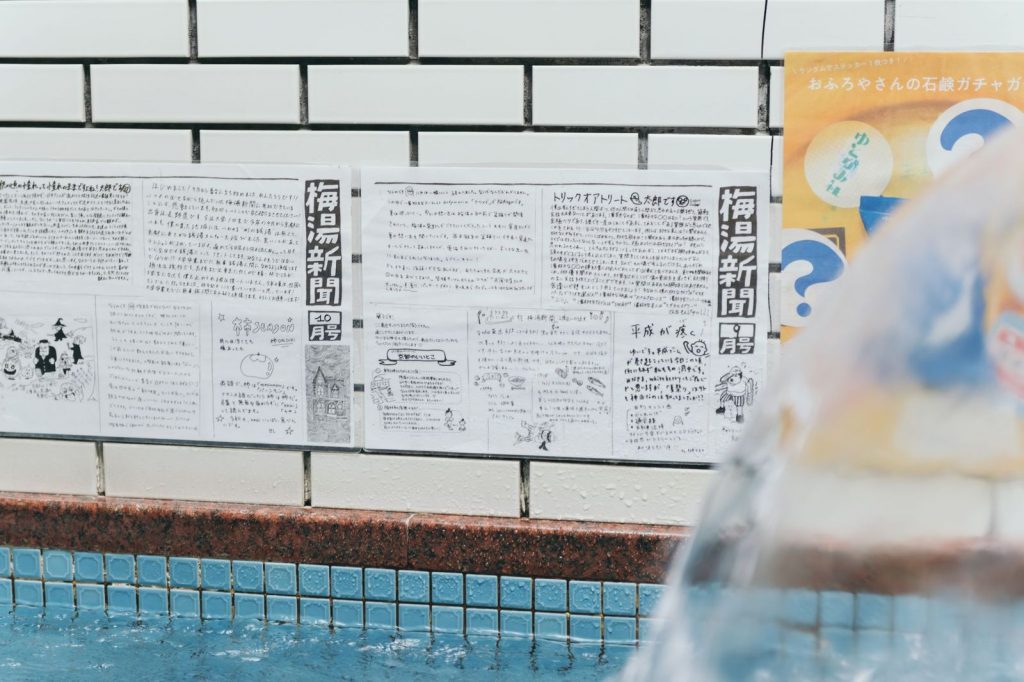
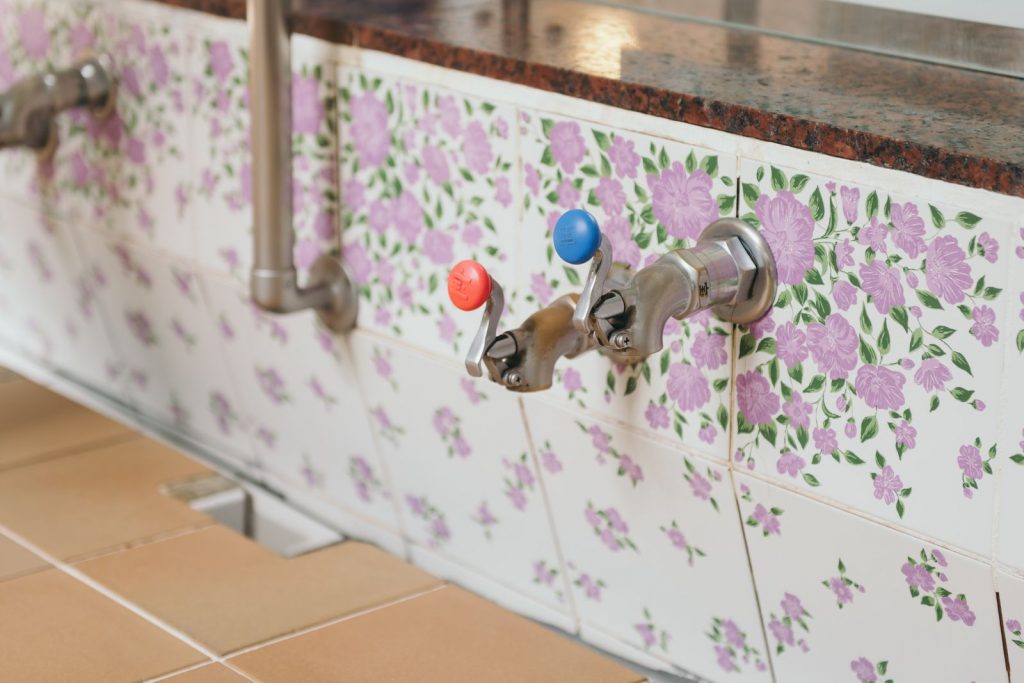
A Mindset of Respect: Experiencing Sento as a Considerate Guest
— In Kyoto, a set of guidelines known as the “Kyoto Guidelines For Tourists” encourages mutual respect among everyone involved in tourism, and sento are no exception. Minato shares a few thoughts on how to ensure a more enjoyable bathing experience.
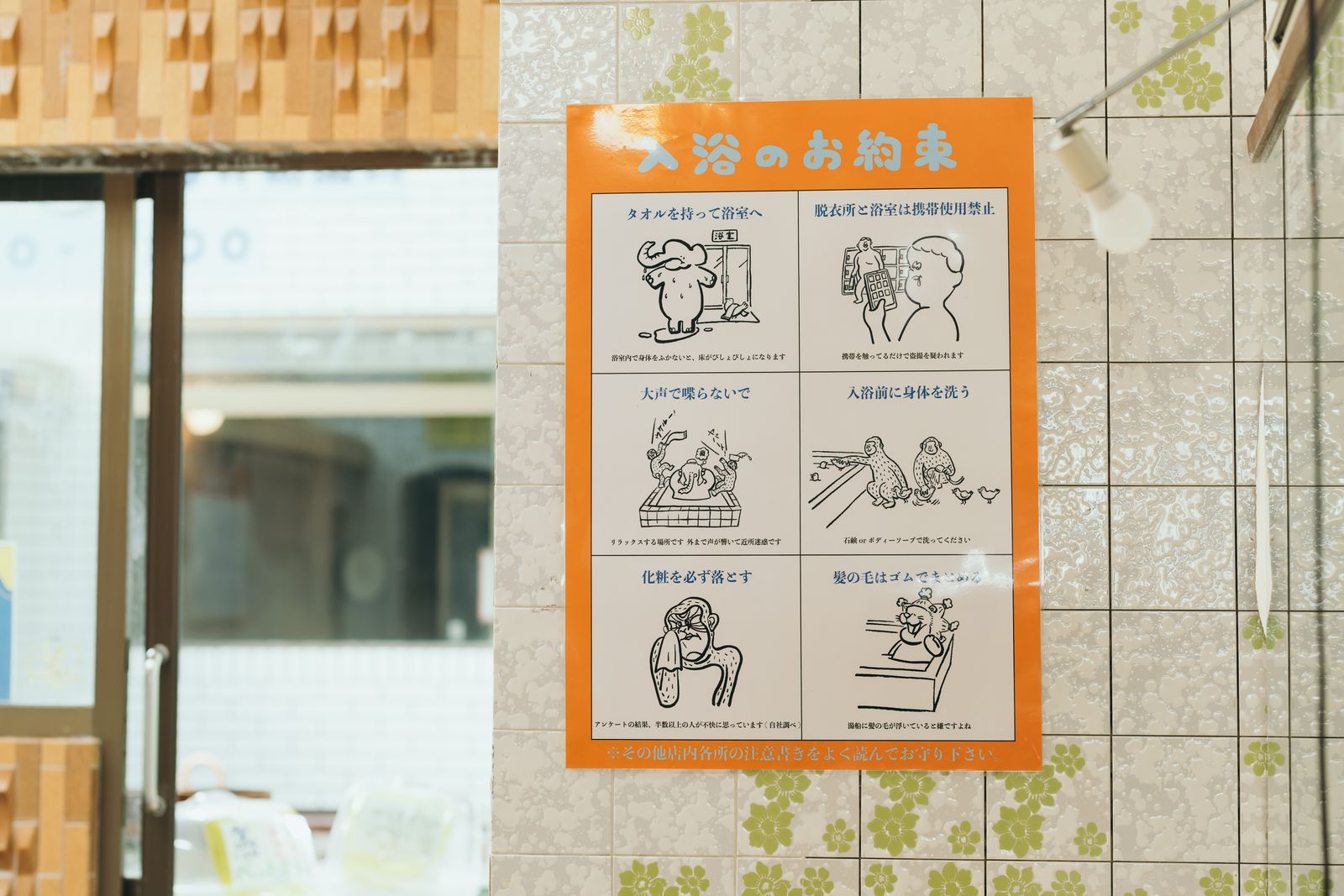
“One of the most important points of sento etiquette is to avoid getting the changing room wet. After all, no one would want a wet floor at home, either.
Bringing a towel with you into the bathing area, and drying off before returning to the changing room—these small actions can make a noticeable difference to everyone’s comfort. Sento are also an essential part of everyday life for the local community.
There are various manners to keep in mind, but if you approach it with the feeling that you are stepping into the everyday lives of local residents, a sense of mutual consideration tends to follow.”
More Ways to Enjoy Sento with Original Goods
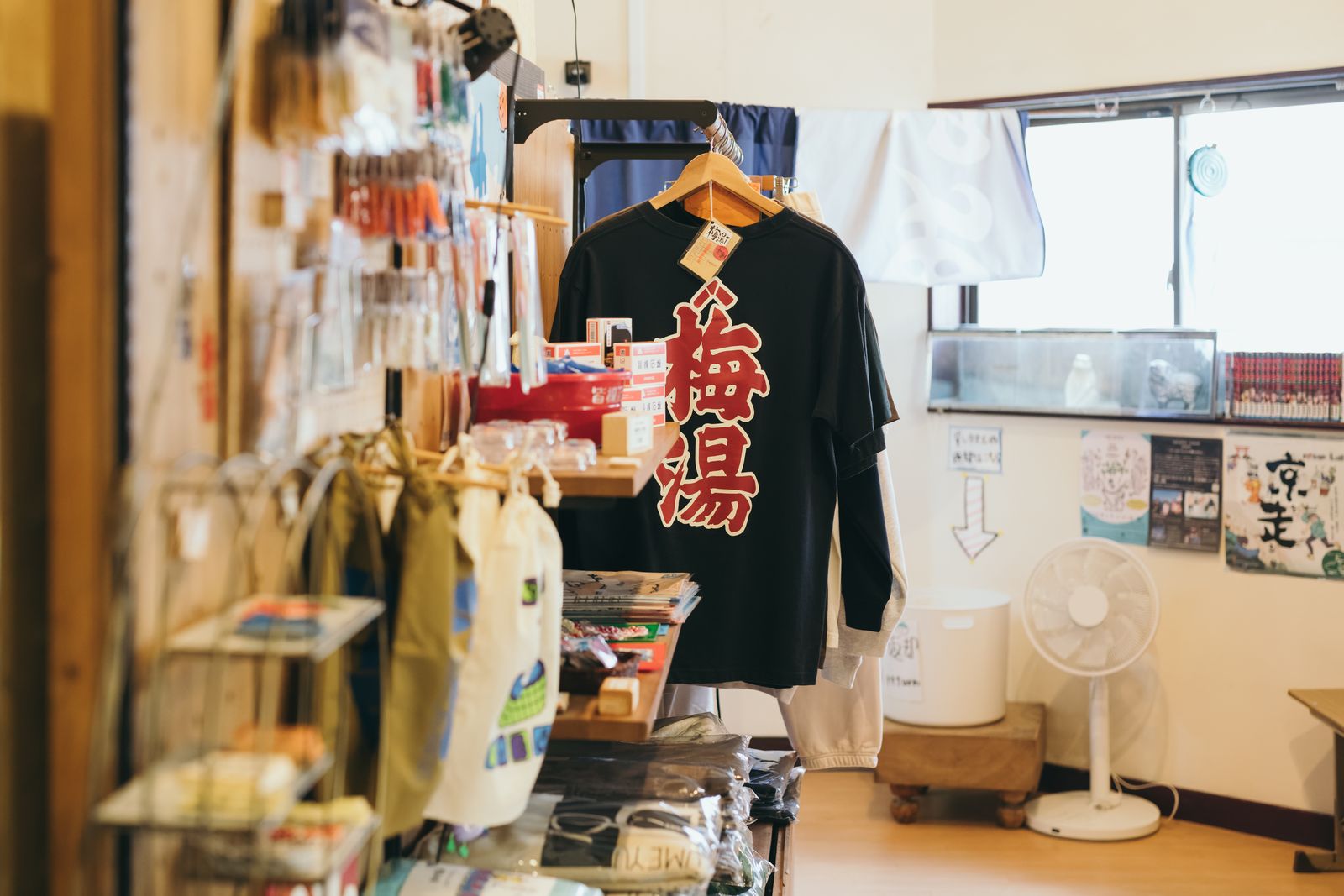
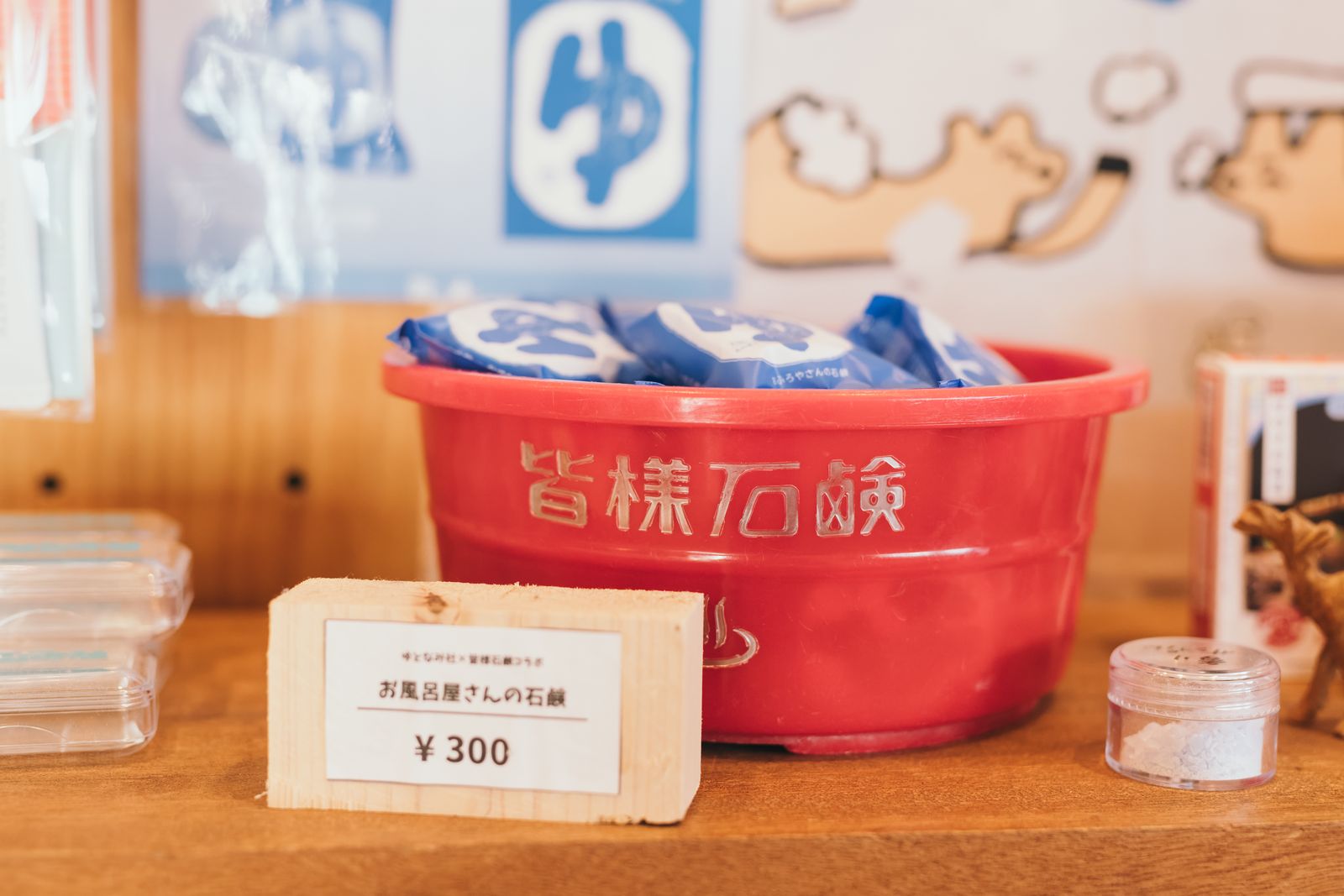
— Many sento, including those operated by Yutonami-sha, seem to offer thoughtfully designed original goods in recent years.
“From original towels and soaps that you can start using right away, to a range of items you can take home as a memory of your trip, I hope you’ll take a moment to explore them. Each sento offers its own distinctive selection, and these items also make wonderful souvenirs.”
— Finally, do you have a message for those planning to visit a sento?
“Across Kyoto and throughout Japan, more and more sento are closing their doors. With our guiding belief of ‘Never let sento disappear from Japan,’ I hope they will come to be recognized as a more ‘in-the-know’ Kyoto attraction.
If you happen to visit a sento you enjoy, I would be delighted if you shared that experience with others. As more people now rely on social media and Google Maps, even a simple “that sento was wonderful” can help carry the word further.”
With a basic sense of etiquette and a spirit of respect—as if stepping into the everyday lives of the local community—Kyoto’s sento will warmly welcome you.
Within them, you will find buildings rich with history and character, the luxury of natural groundwater, and the gentle rhythm of daily life.
At the start of your journey, step beneath the noren curtain of a sento and experience a more everyday side of Kyoto.
List of Morning Bath Sento
*Information as of February 2026.
Sauna no Umeyu
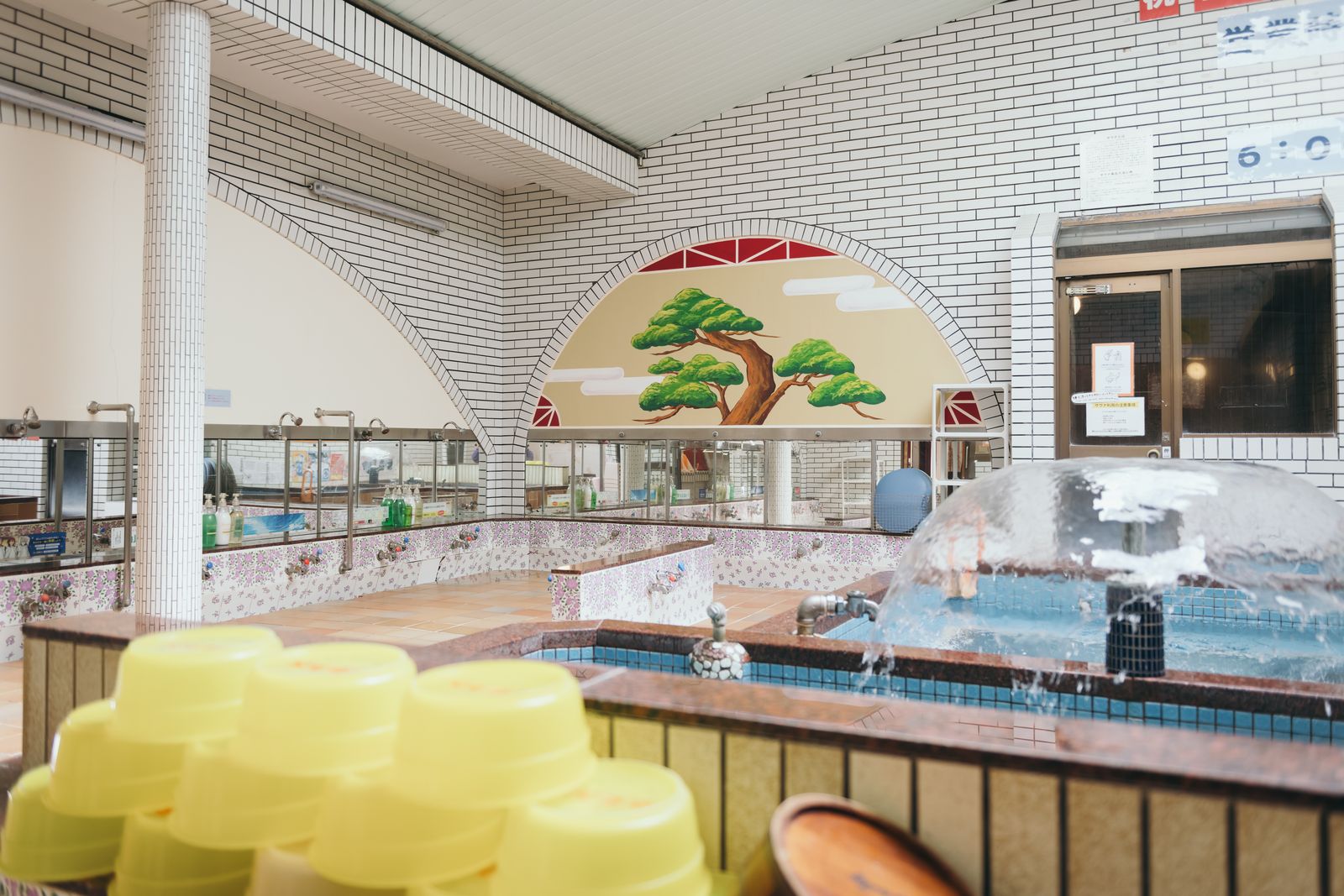
Address: 175-1 Iwataki-cho, Shimogyo-ku, Kyoto
Hours: 6:00 AM – 2:00 AM (open daily)
Closed: Thursdays
Website
Kamogawa-yu
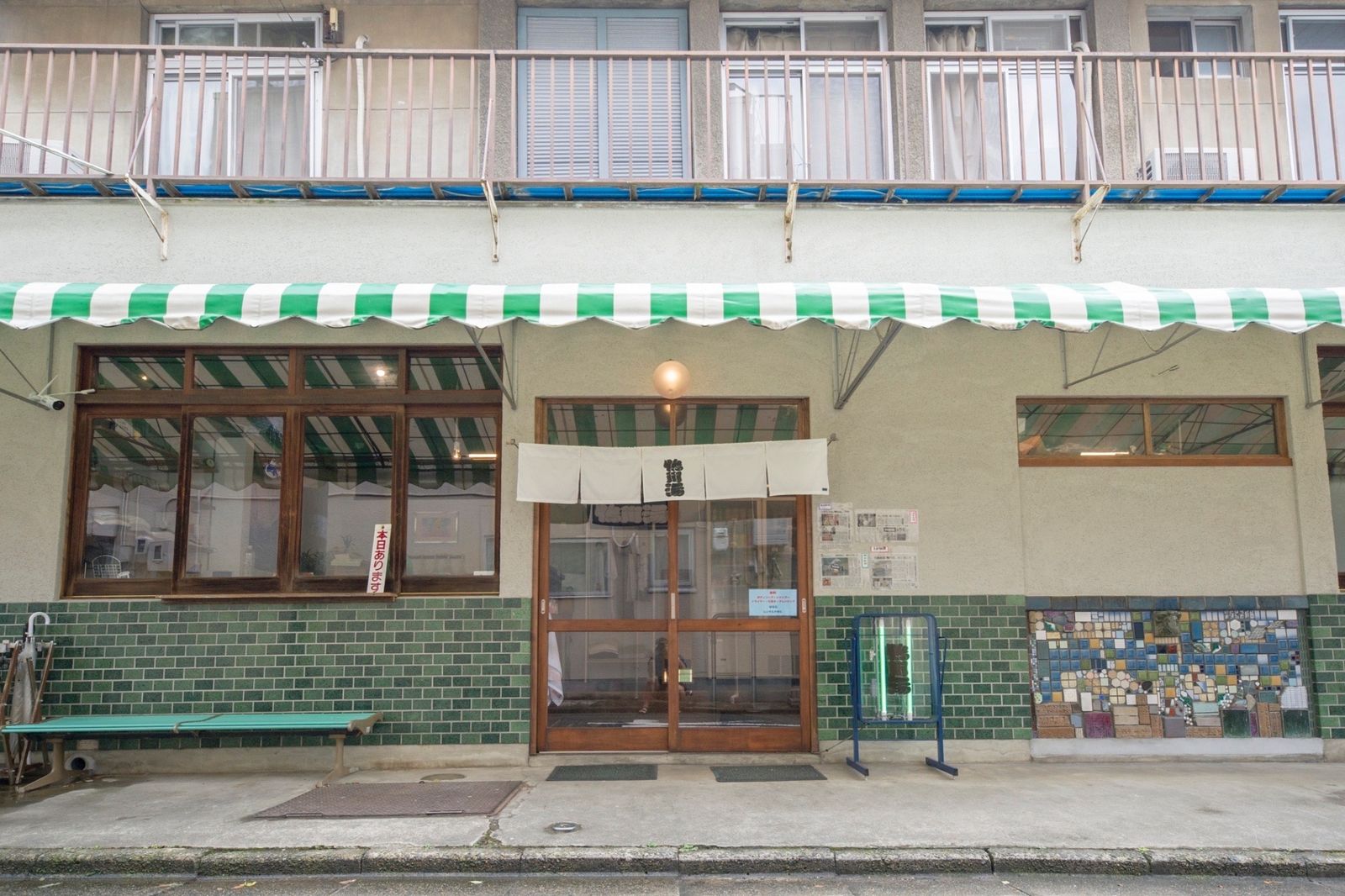
Address: 56 Kamigawara-cho, Shimogamo, Sakyo-ku, Kyoto
Hours: Sunday 8 AM–1 AM (morning bath); 2 PM – 1 AM (regular hours)
Closed: Tuesdays
Website
Asahi-yu
Address: 20 Rajomon-cho, Karahashi, Minami-ku, Kyoto
Hours: Sunday 8 AM – 12 AM (morning bath); 2 PM – 12:30 AM (regular hours)
Closed: Mondays
Website
Funaoka Onsen
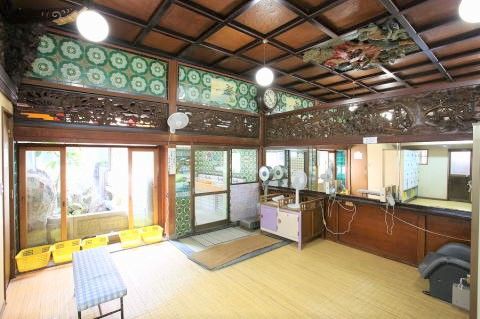
Address: 82-1 Minami Funaoka-cho, Murasakino, Kita-ku, Kyoto
Hours: Sunday 8 AM – 11:30 PM (morning bath); 3 PM – 11:30 PM (regular hours)
Closed: Open daily
Website
Gokou-yu
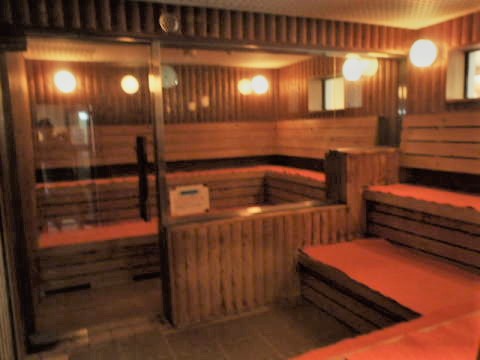
Address: 590-12 Kakimoto-cho, Kuromon-dori Gojo-agaru, Shimogyo-ku, Kyoto
Hours: 2:30 PM – 12:30 AM (Sundays 7 AM – 12 AM; public holidays 11 AM – 12 AM)
*Hours may vary during New Year holidays, Golden Week, and Obon.
Closed: Mondays and the third Tuesday of each month
Website
Hakusan-yu Takatsuji
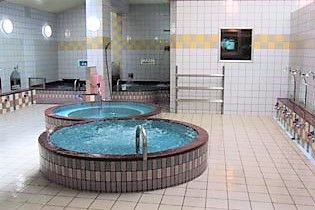
Address: 665 Funaya-cho, Higashinakasuji-dori Matsubara-agaru, Shimogyo-ku, Kyoto
Hours: Sunday 7 AM–12 AM (morning bath); 3PM–12AM (regular hours)
Closed: Saturdays
Website
Hakusan-yu Rokujo
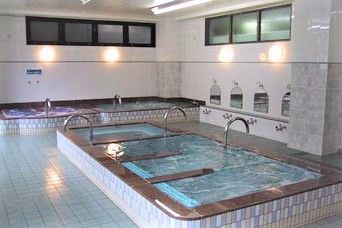
Address: 893 Ushitora-cho, Shinmachi-dori Rokujo-sagaru, Shimogyo-ku, Kyoto
Hours: Weekends and public holidays 6 AM–12 AM; weekdays 6 AM–12 PM, 3:30 PM–12 AM
Closed: Wednesdays
Website
Yashiro-yu
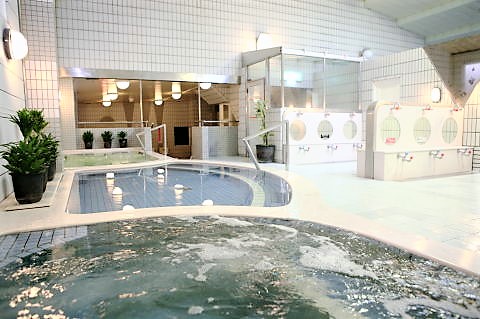
Address: 19-9 Morigamae-cho, Uzumasa, Ukyo-ku, Kyoto
Hours: Weekends and public holidays 6 AM–1 AM (morning bath); 3 PM–1 AM (regular hours)
Closed: Thursdays and the third Wednesday of each month
Website
Yamashiro Onsen
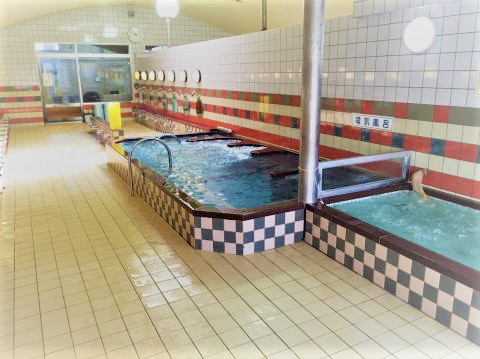
Address: 218 Shimoyoko-cho, Ninnaji-kaido Onmae Nishi-iru, Kamigyo-ku, Kyoto
Hours: Weekends & public holidays 6 AM–1 AM (morning bath); 3 PM–1 AM (regular hours)
Closed: Thursdays
Website
Komachi-yu
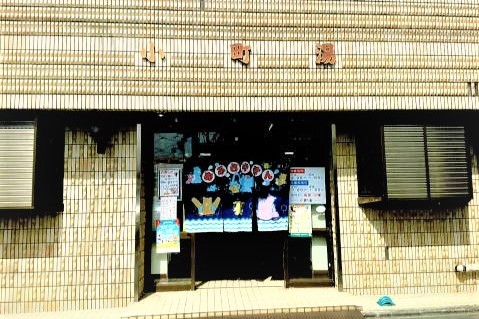
Address: 43 Ichibe-cho, Nishishichijo, Shimogyo-ku, Kyoto
Hours: Sunday 7 AM–1 AM (morning bath); 3 PM–1 AM (regular hours)
Closed: Tuesdays
Website
Uzumasa Onsen
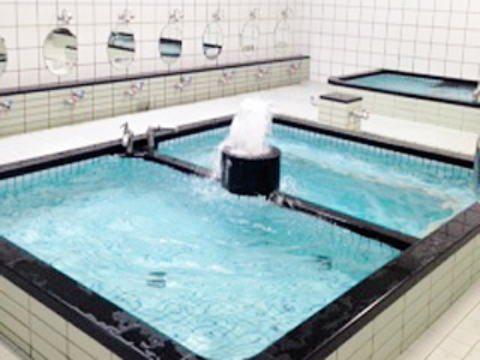
Address: 45 Tayabu-cho, Uzumasa, Ukyo-ku, Kyoto
Hours: Sundays and public holidays 7 AM–12 AM (morning bath; closed 11 AM–3 PM); 3 PM–12 AM (regular hours)
Closed: The first and third Wednesdays of each month
Website
Article Author
Edited, Reported and Written by Takeshi Kubo (Tsudoi Inc.)
Photography by Itsumi Okayasu