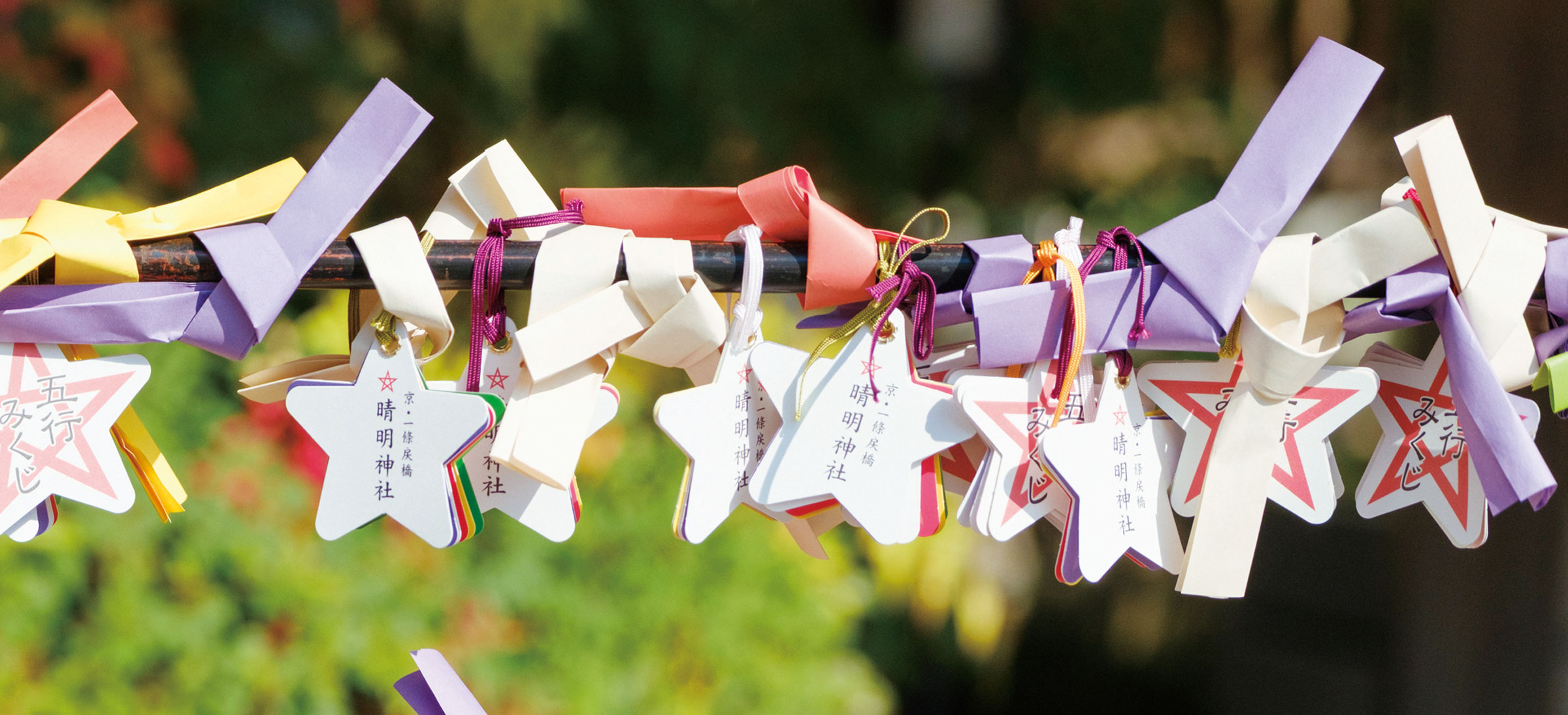
Kyoto guide Akiko Mori introduces the history of omikuji—said to convey messages from the Shinto and Buddhist deities—as well as the many unique omikuji found at shrines and temples across Kyoto.
Omikuji: The Basics
| 1. | Omikuji, which tell one’s fortune and indicate whether it is auspicious or not, became widely popular among common people during the Edo period (1603–1868). |
| 2. | Some omikuji contain classical poetry, such as Chinese-style Kanshi or Japanese Waka, passed down through the centuries. |
| 3. | Shrines and temples in Kyoto offer a remarkable variety of omikuji, differing in both form and design. |
The Origins: Words of Kannon Bodhisattva
Drawing an omikuji after visiting a shrine or temple is one of the pleasures of traveling in Japan. Its origins are ancient: in earlier times, such lots were even used to determine matters of state policy or succession.
The results drawn before the gods were regarded as expressions of divine will, and people followed them accordingly.
Omikuji spread among the general populace during the Edo period. Their roots, however, are said to lie in the “one hundred teachings” bestowed by Kannon Bodhisattva, the deity of compassion, upon a monk in the Heian period (794–1185). People would interpret the poems as guidance for their own conduct.
The Rich Variety of Omikuji
Omikuji do more than simply indicate good or bad fortune. Many include Buddhist teachings in the form of Chinese-style poetry (Kanshi), or Japanese poetry (Waka) believed to convey the words of the deities.
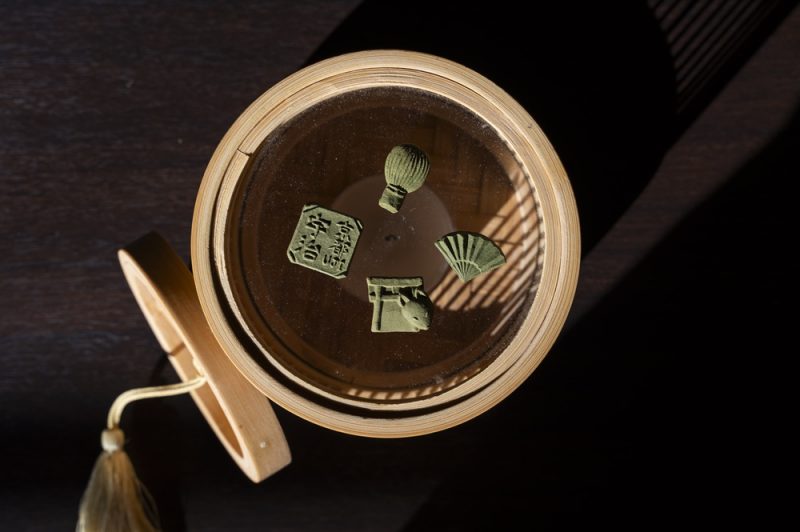
The ways of drawing them and their designs also vary widely. There are traditional methods, in which one shakes a container to draw a numbered stick, as well as versions in which one selects a small figurine—often shaped like cute animals—from which the fortune is taken. Some omikuji are even designed to be reused for other purposes, for example, as bookmarks.
Across Kyoto, numerous shrines and temples offer diverse forms of omikuji. After paying your respects, try drawing one and receiving a message from the divine.
Distinctive Omikuji to Try in Kyoto
Before you draw your omikuji, don’t forget to make a prayer at the shrine or temple. When you read your omikuji, rather than focusing solely on whether the result is good or bad, take time to read the message itself with care.
Sanzen-in Temple :Ganzan-daishi no Omikuji (Ganzan-daishi’s Omikuji)
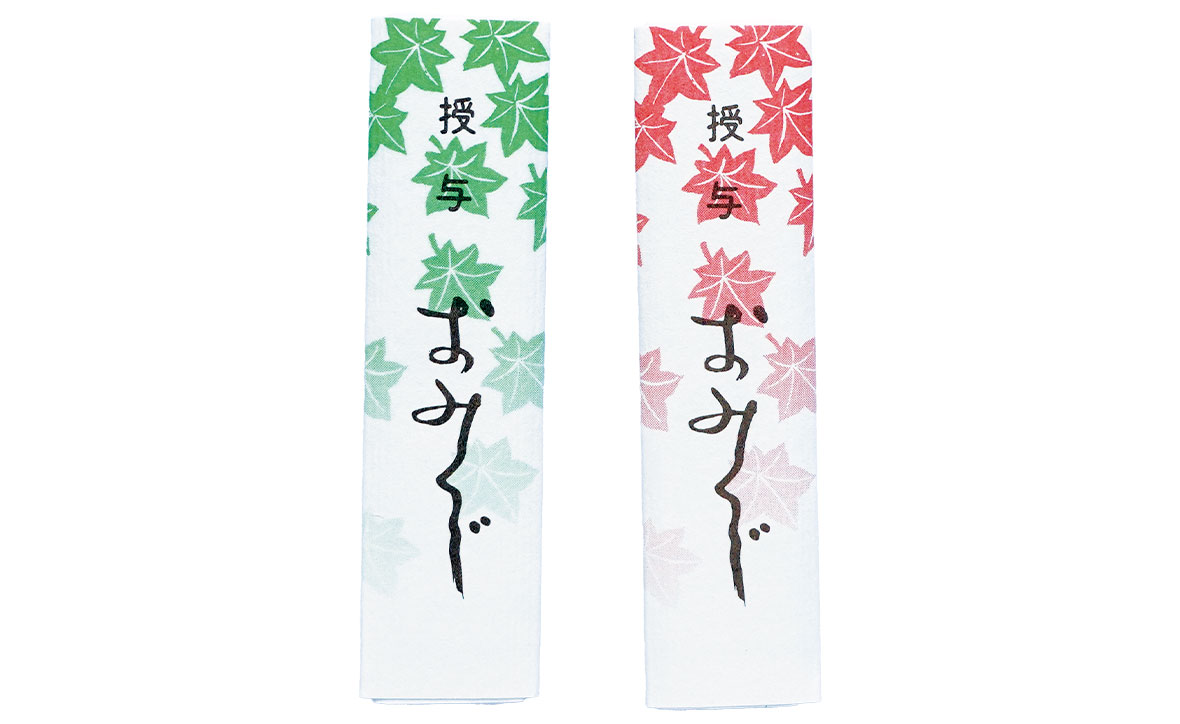 At Sanzen-in, a Tendai Buddhist temple, visitors can receive fortunes associated with Ganzan-daishi (912–985), said to be the originator of omikuji. He served as head of the Tendai sect and played a key role in reviving Enryaku-ji Temple on Mount Hiei. These omikuji feature five-character, four-line Chinese poems.
Kifune-jinja Shrine: Mizu-ura-mikuji (Water Omikuji)
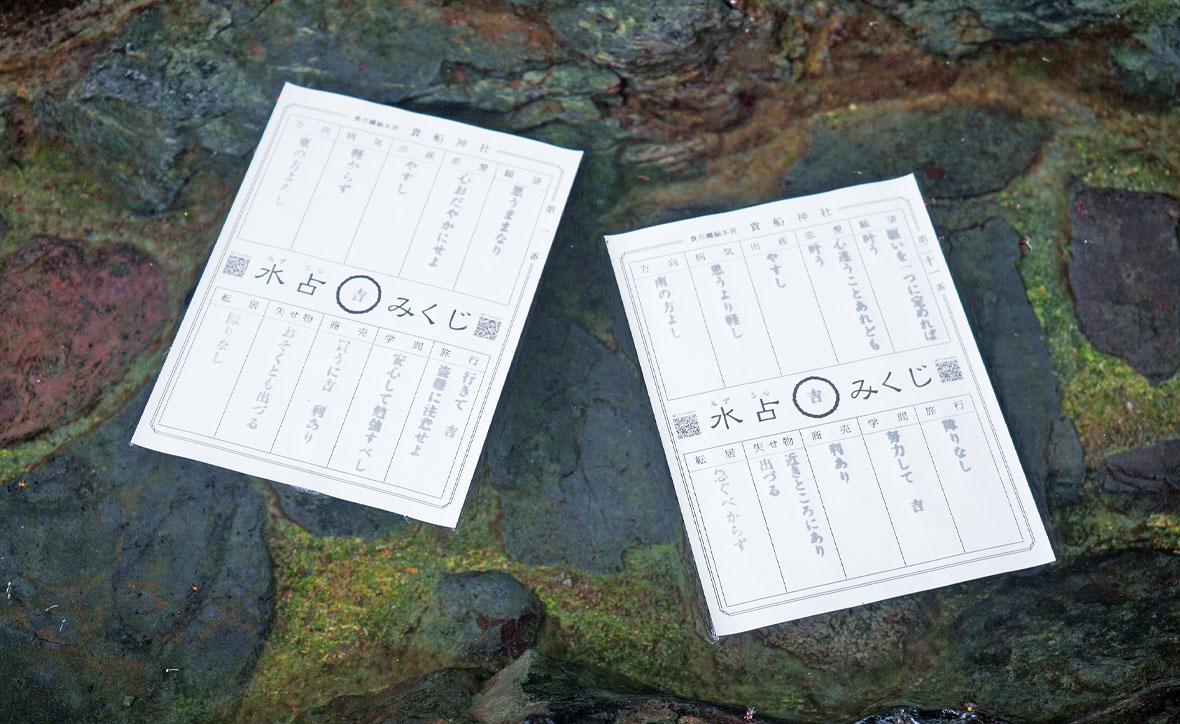 Located near the source of the Kamo River, Kifune Shrine offers mizu-ura mikuji (water fortune). When the paper is dipped into the shrine’s sacred water, the text gradually appears—an experience fitting of this shrine dedicated to the deity of water.
Imamiya-jinja Shrine: Waka Hime-mikuji (Waka Princess Omikuji)
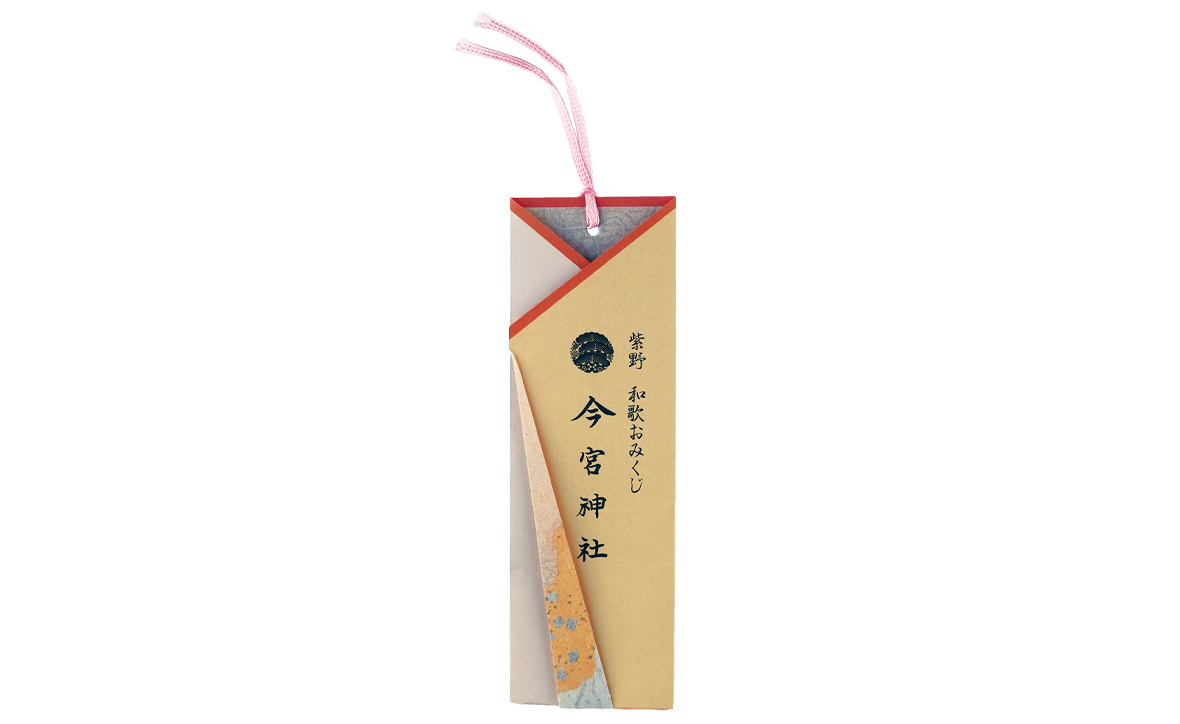 Known for blessings of fortunate matches—especially marriages into prosperity—Imamiya-jinja Shrine offers omikuji featuring waka from The Tale of Genji. Adorned with illustrations of women in layered court robes (jūnihitoe) and lightly scented, it is an exceptionally elegant omikuji.
Mikane-jinja Shrine: Mikane-mikuji (Mikane Omikuji)
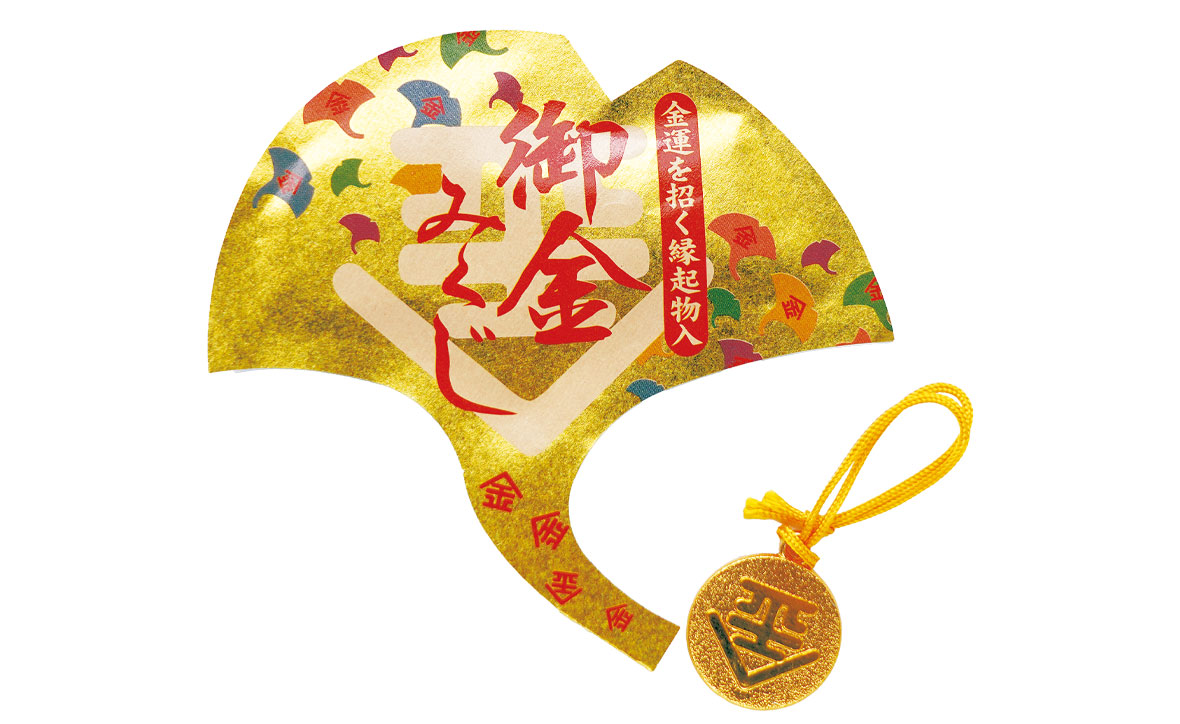 Famed for its blessings of financial fortune (the Japanese word for money, “kane,” can also mean “gold” or “metal”), Mikane Shrine offers omikuji modeled after auspicious ginkgo leaves. Each comes with a small lucky charm, and some even include the rare result of “great-great fortune” (dai-dai-kichi).
Seimei-jinja Shrine: Gogyō-mikuji (Five Elements Omikuji)
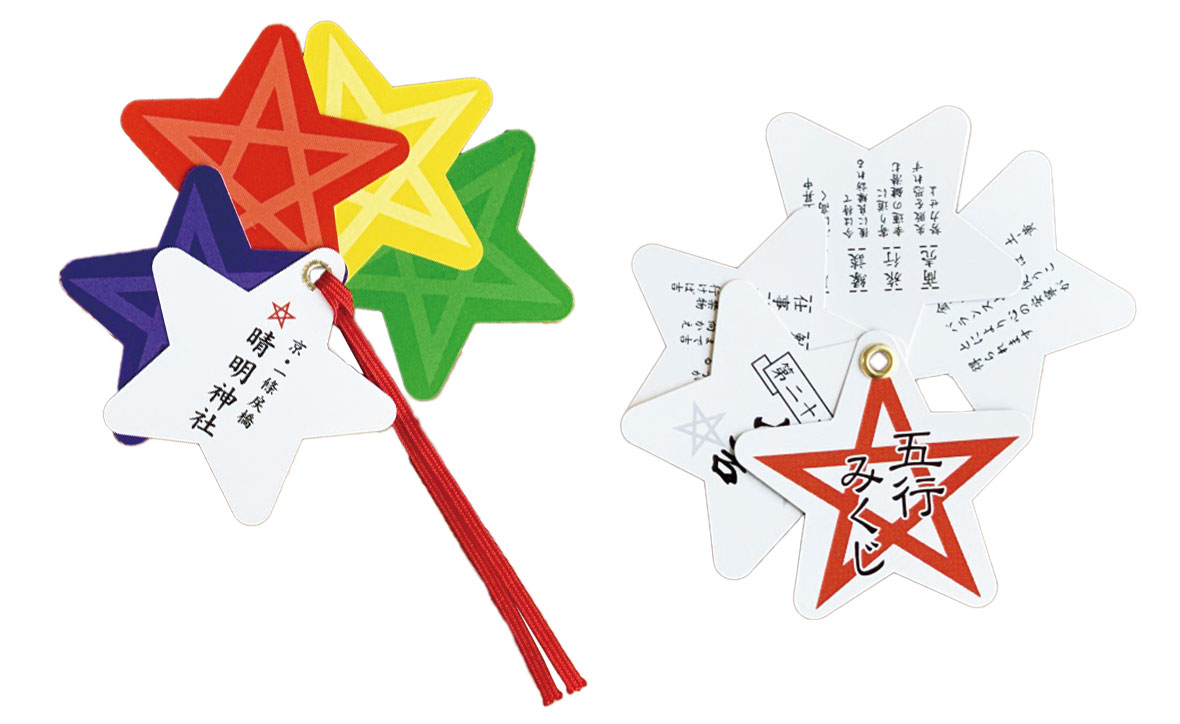 This shrine enshrines Abe no Seimei, a Heian-period court diviner and astrologer (onmyōji). Its omikuji are shaped like the pentagram (gobōsei), a symbol believed to ward off evil.
Kitano Tenmangū Shrine: Fuku-mikuji (Good Luck Omikuji)
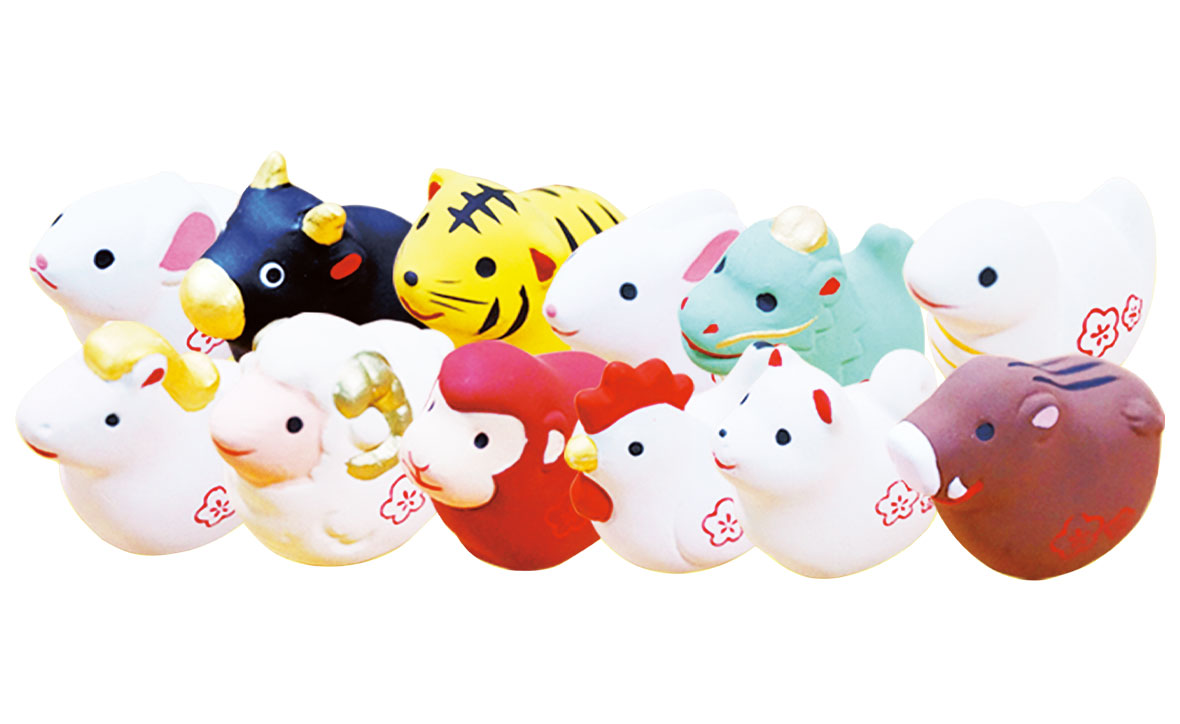 Known as “Tenjin-san,” this shrine offers omikuji placed inside ceramic figures representing the year’s zodiac animal. There are also fortunes bearing poems composed by Sugawara no Michizane (845–903), a Heian-period scholar and noble later deified as the god of education.
Fujinomori-jinja Shrine: Uma-mikuji (Horse Omikuji)
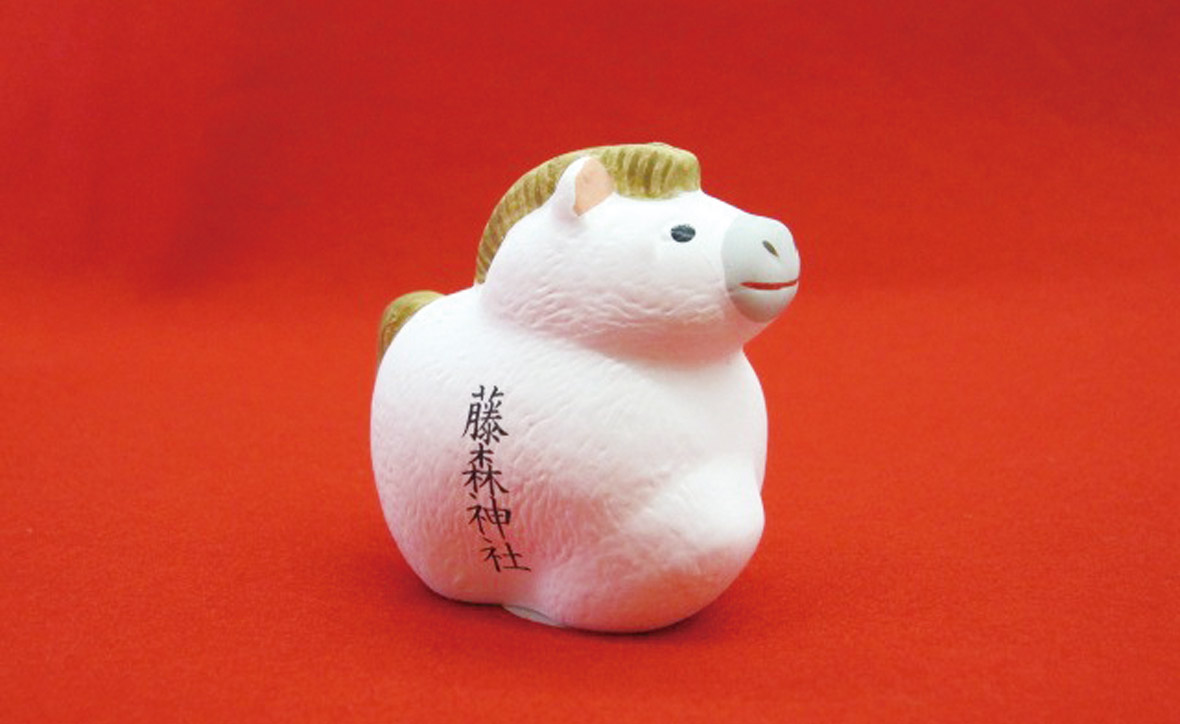 Revered as a protector of horses, Fujinomori-jinja Shrine offers charming horse-shaped ceramic omikuji. After drawing your fortune, the figurine can be kept and displayed as a lucky ornament.
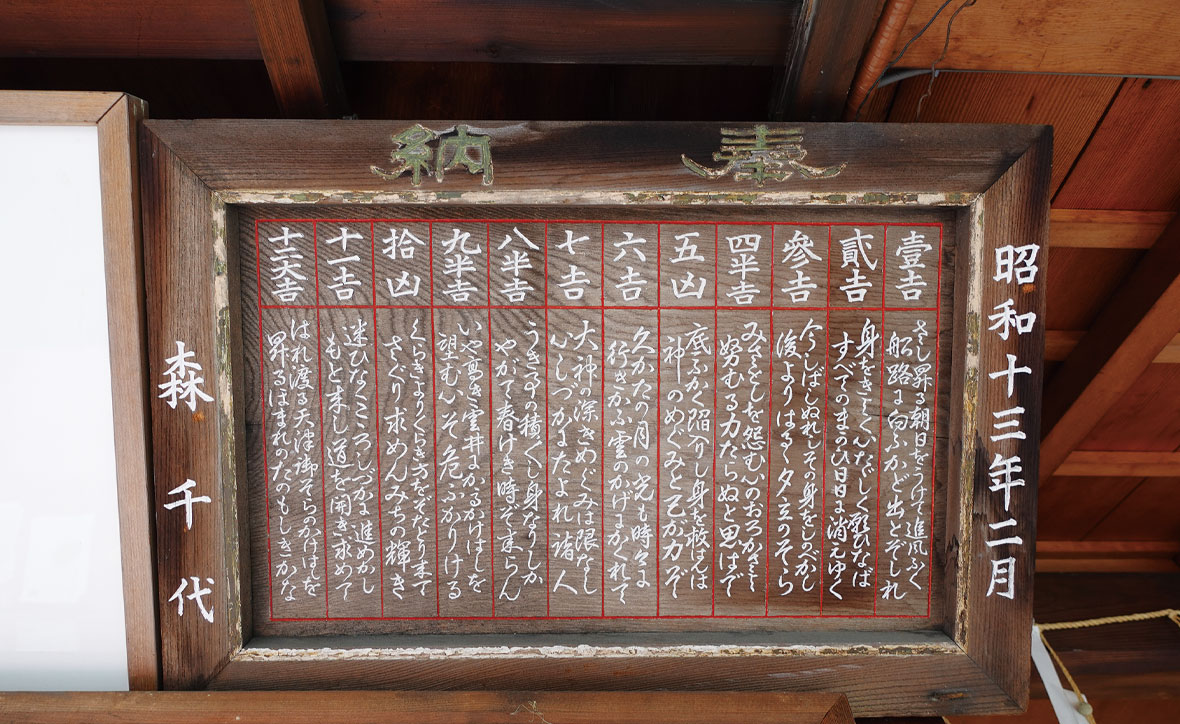
At some locations, large wooden plaques display the full range of possible results so that visitors can quickly identify their fortune after they draw the numbered lot. At Ayako Tenmangū in Shimogyo Ward, a plaque dedicated in 1938 is still displayed today.
Useful Insights into Omikuji
- Omikuji are written in kanji as 「御御籤」 or 「御神籤」. In Japan, the result is regarded as a message from the deities; hence the honorific “御” is attached to the character for “lot” (kuji).
- In the past, even shrines used omikuji rooted in Buddhist traditions. However, following the 1868 policy separating Shinto and Buddhism, shrines began creating their own distinct forms based on their particular histories and deities. As a result, omikuji conveying divine messages through Waka became more common.
- The typical results are seven in number: great blessing, blessing, middle blessing, small blessing, future blessing, curse, and great curse. However, the number, order, and probability of these outcomes vary by shrine or temple.
- At Fushimi Inari Taisha Shrine, for example, there are as many as seventeen different possible results.
They include fortunes rarely seen anywhere else, such as “great-great-fortune” (dai-dai-kichi), which indicates exceptionally great luck, or the “fortune-yet-undetermined-but-utlimately-great-fortune” (kikkyō-imada-wakarazu-suedaikichi), which signifies that while your luck is uncertain at this point in time, if you put in the effort, you will be blessed with great fortune in the future. - There is also a famous historical anecdote associated with omikuji. Akechi Mitsuhide (1528-1582), a warlord of the Sengoku period, visited Atago-jinja Shrine and drew an omikuji before heading to Honno-ji Temple to assassinate his leader, Oda Nobunaga (1534-1582).
- Legend has it that Mitsuhide drew “curse” on both his first and second attempts. He is said to have redrawn the lot a total of three times until he received a favorable result.

Article Author
Akiko Mori of Rakutabi