Recommended length: 1 day
Travel twenty minutes north from Kyoto Station by subway and get off at Kokusai Kaikan Station, the final stop. Then, take a bus along roads that wind up through the mountains to a world untouched by the bustle of the city. This is Ohara, a historic rural area where monks and aristocrats have long sought solace from the secular world—a place where they could find tranquility.
Although home to many noted temples, Ohara retains the rustic charm of the traditional Japanese countryside. Unlike busier tourist destinations, in Ohara even the shops selling souvenirs and local specialties blend quietly into the scenery. It is a place better suited to those who value the serenity of everyday life among houses and fields.
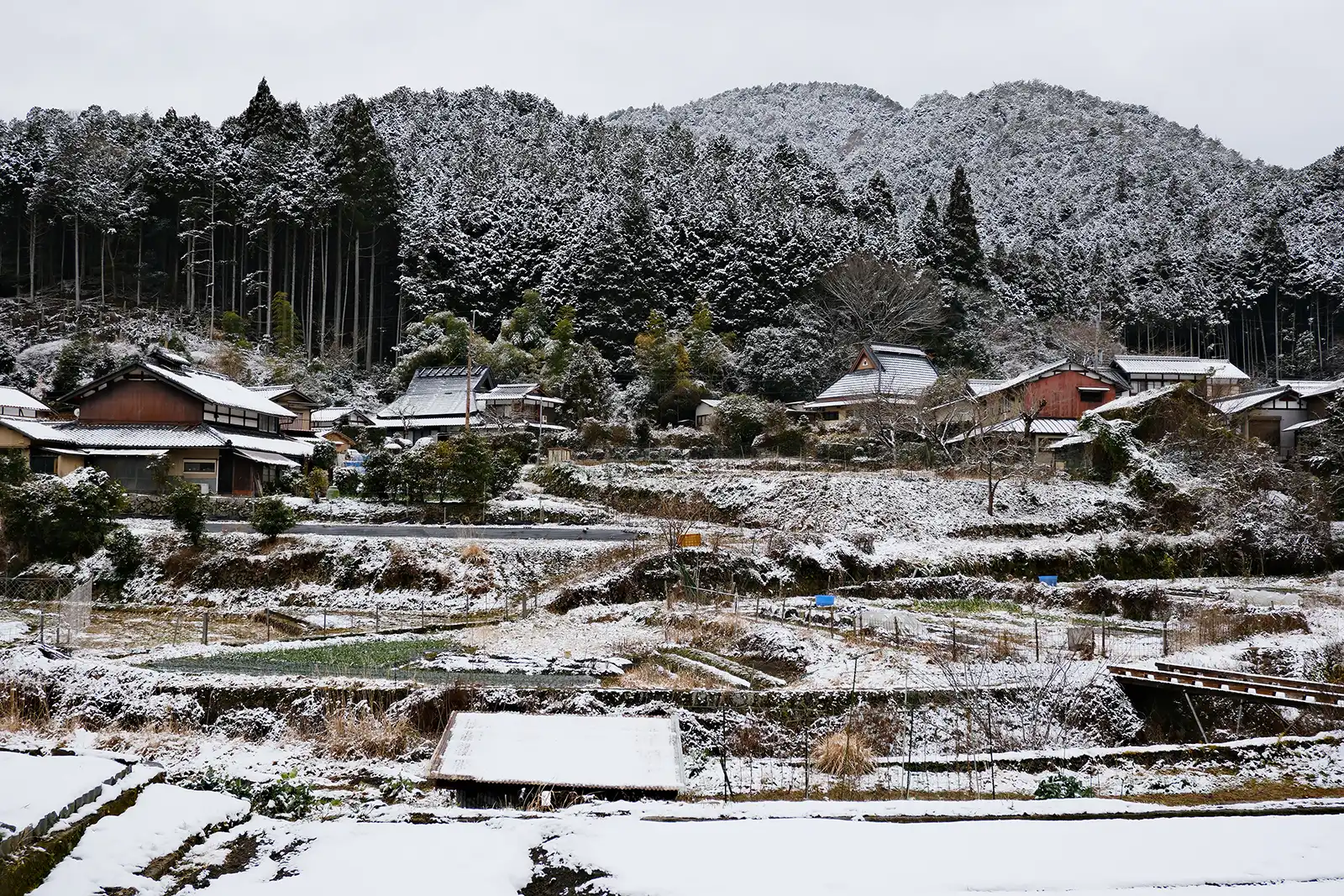
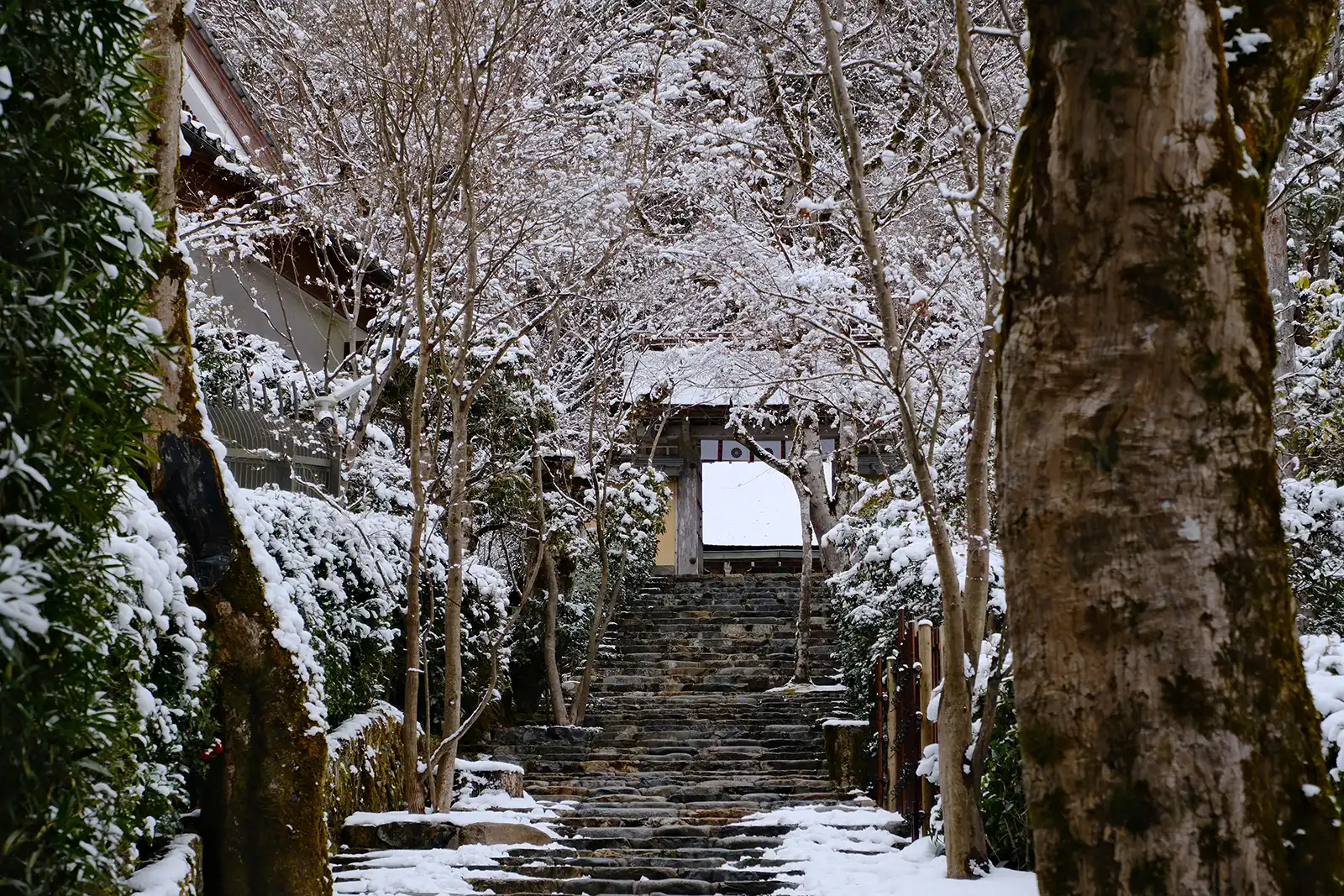
There was no snow in Kyoto City itself when we visited in late January for this article, but Ohara was covered in a sparkling mantle of snow. Because of its higher elevation, the area offers snowy landscapes in winter and coolness in summer, so you can enjoy crisp, refreshing air in any season.
Here, you can relax in tranquility that is rare even in Kyoto, reflecting on your inner self as you transcribe Buddhist sutras or listen to the birdsong in the quiet of a temple garden.
Whether it is for a visit to a historic temple or a stroll between the rice fields, Ohara invites visitors to experience moments that feel truly cleansing for the soul.
Requests when visiting Ohara
Ohara is an important religious site, as well as a place where people live. To protect this beautiful rural landscape, we ask for your cooperation with the following:
Enjoy the tranquility: Refrain from speaking loudly in temple grounds and residential areas. Enjoy the peace and quiet.
Do not enter private property: Rice fields and residences are private property. Please do not enter without permission, even to take quick pictures.
Take your trash with you: To preserve the beauty of the landscape, please take your trash with you when you leave.
Obey photography rules: Photography is prohibited within some temple grounds. Please comply with the instructions provided on-site.
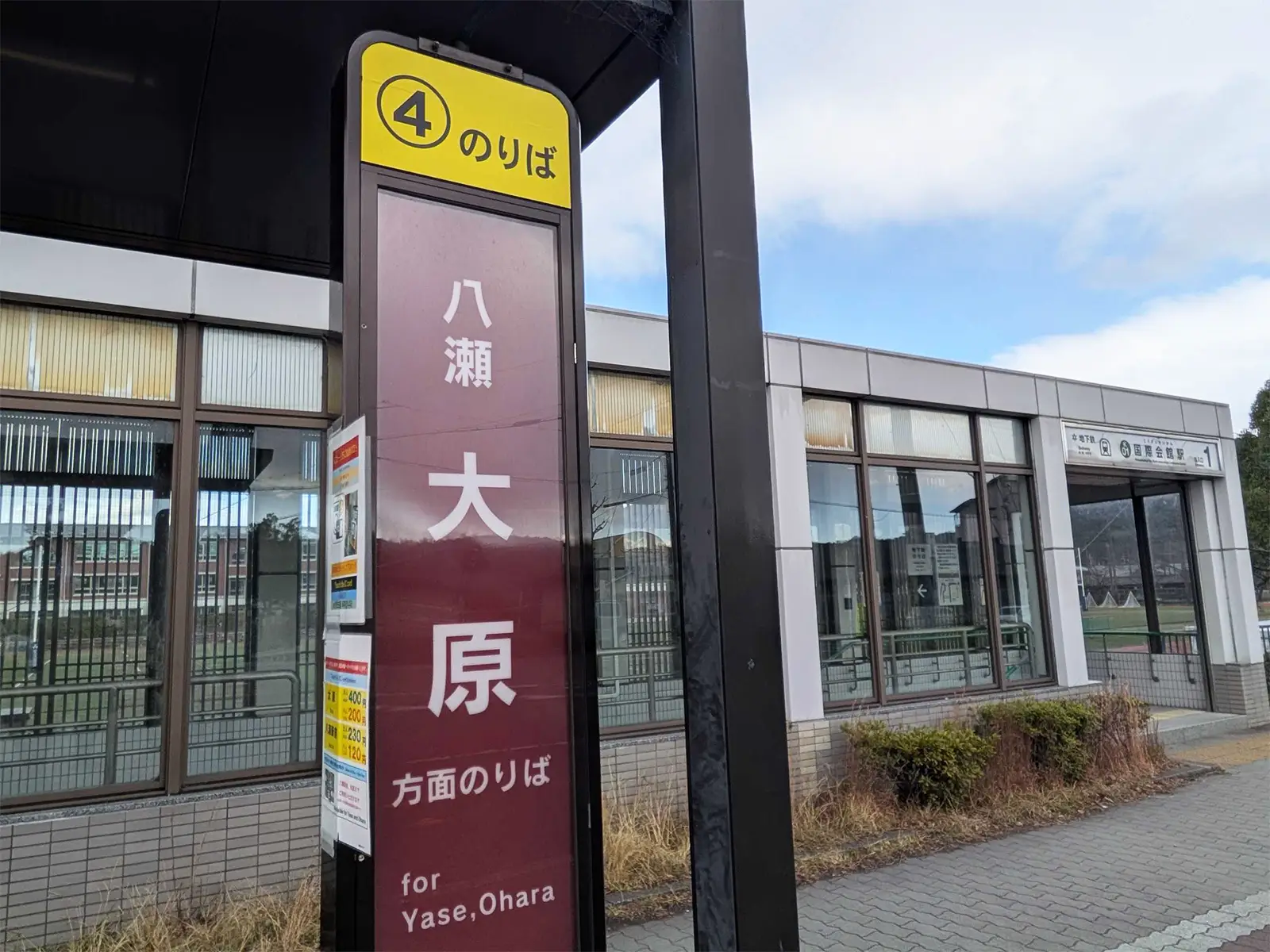
To get to Ohara, take the subway to Kokusai Kaikan Station, at the end of the Karasuma Line. Leave through Exit 1, head up to street level, and take a bus for Ohara from Bus Stop 4 (see photo above).
Although there are buses traveling directly to Ohara from Kyoto Station, we recommend this route via the subway and bus as it avoids congestion and offers a smoother journey.
The bus ride from Kokusai Kaikan Station takes approximately 20 minutes. Get off at “Ohara,” the final bus stop, to see the historic rural landscape unfold before you.
Sanzen-in Temple
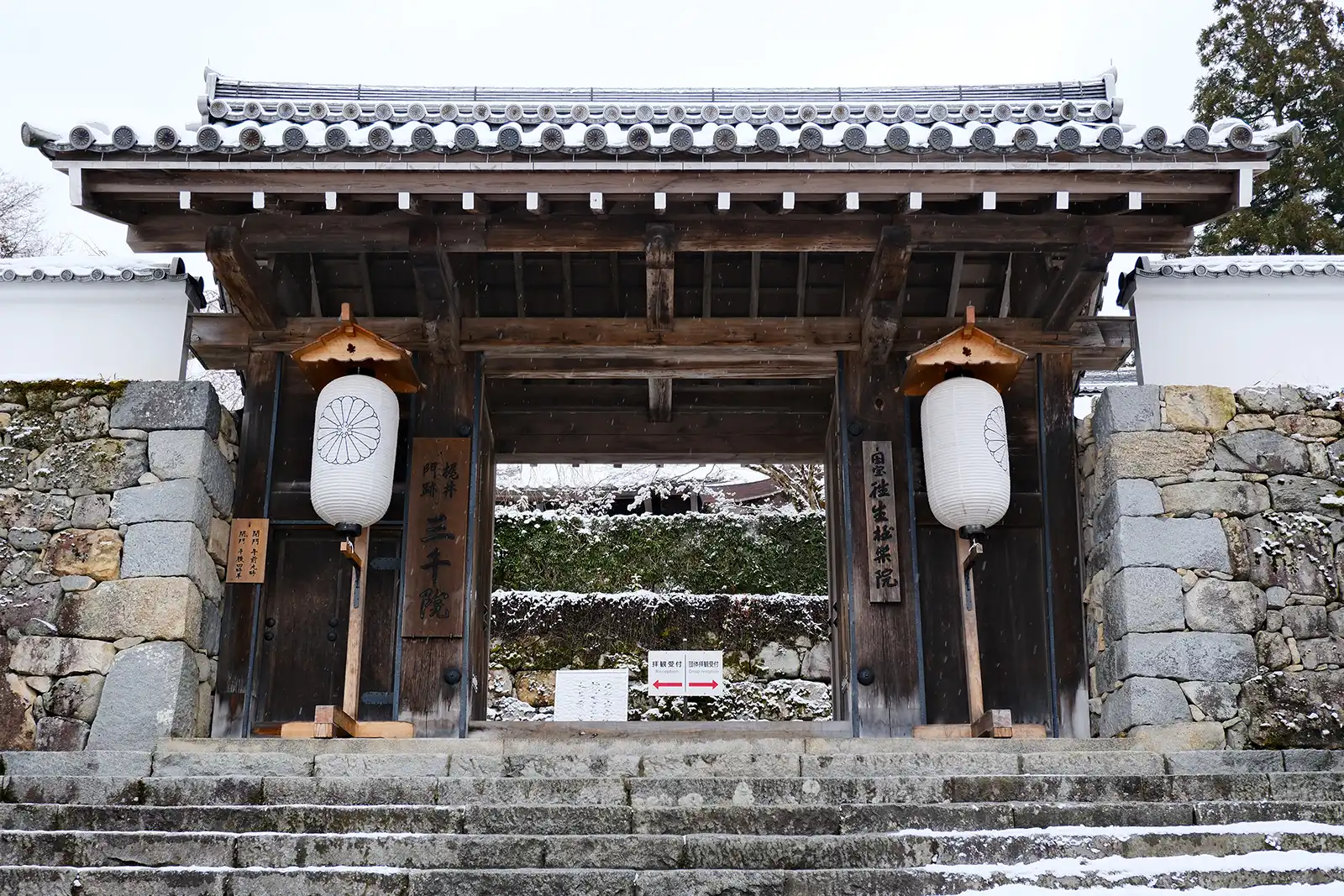
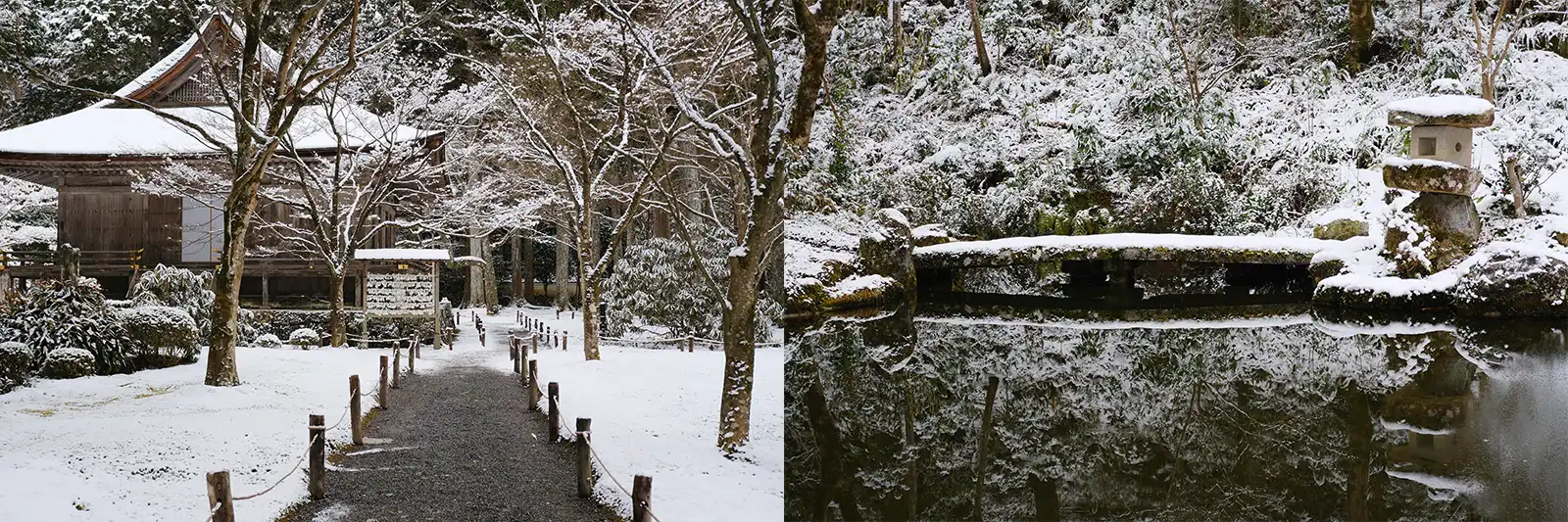
The famed Sanzen-in Temple, symbol of Ohara
Sanzen-in, the symbol of Ohara, is a particularly prestigious temple even in Kyoto, where such temples abound. It was once a “Monzeki” temple, meaning members of the imperial family served as head priests, so its refined presence can overwhelm visitors. Many people travel here specifically to experience the breathtaking beauty of its moss garden, which looks as if it were carpeted in pure green.
This vast expanse of moss, covering the ground without a single gap, shines with even more brilliance on rainy days and during the snowmelt season. It is regarded as one of the most beautiful landscapes in Kyoto.
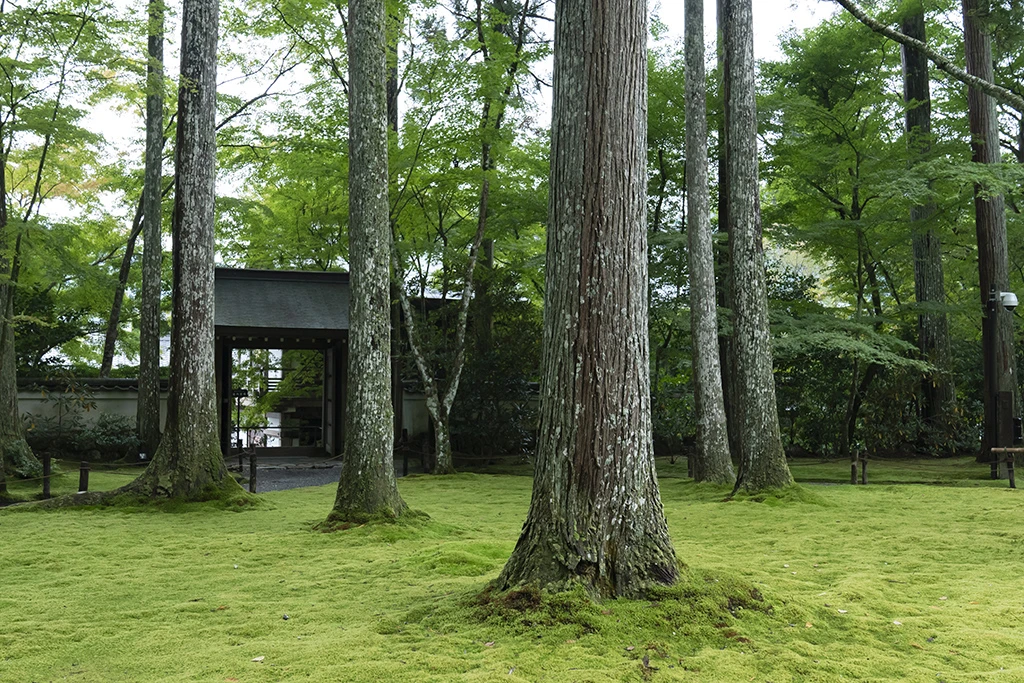
The expansive temple grounds are surrounded by two rivers and dotted with moss-covered gardens and historic halls. In particular, Ojo Gokuraku-in, which has been at this site since before Sanzen-in relocated here, is a must-see for visitors. Enshrined within is a Buddha statue that is designated as a National Treasure, and it possesses a solemn presence that is truly awe-inspiring.
There are also charming “Warabe Jizo” (statues of bodhisattva who look like children) standing quietly here and there throughout the gardens that bring a sense of gentle calm to those who visit.
Visitors to Sanzen-in can also try copying Buddhist sutras to compose the mind in a serene setting. Please inquire at reception if you are interested.
Hours: 9:00 AM to 5:00 PM (closes at 4:30 PM in winter)
-
Walk 6 minutes
Raigo-in Temple
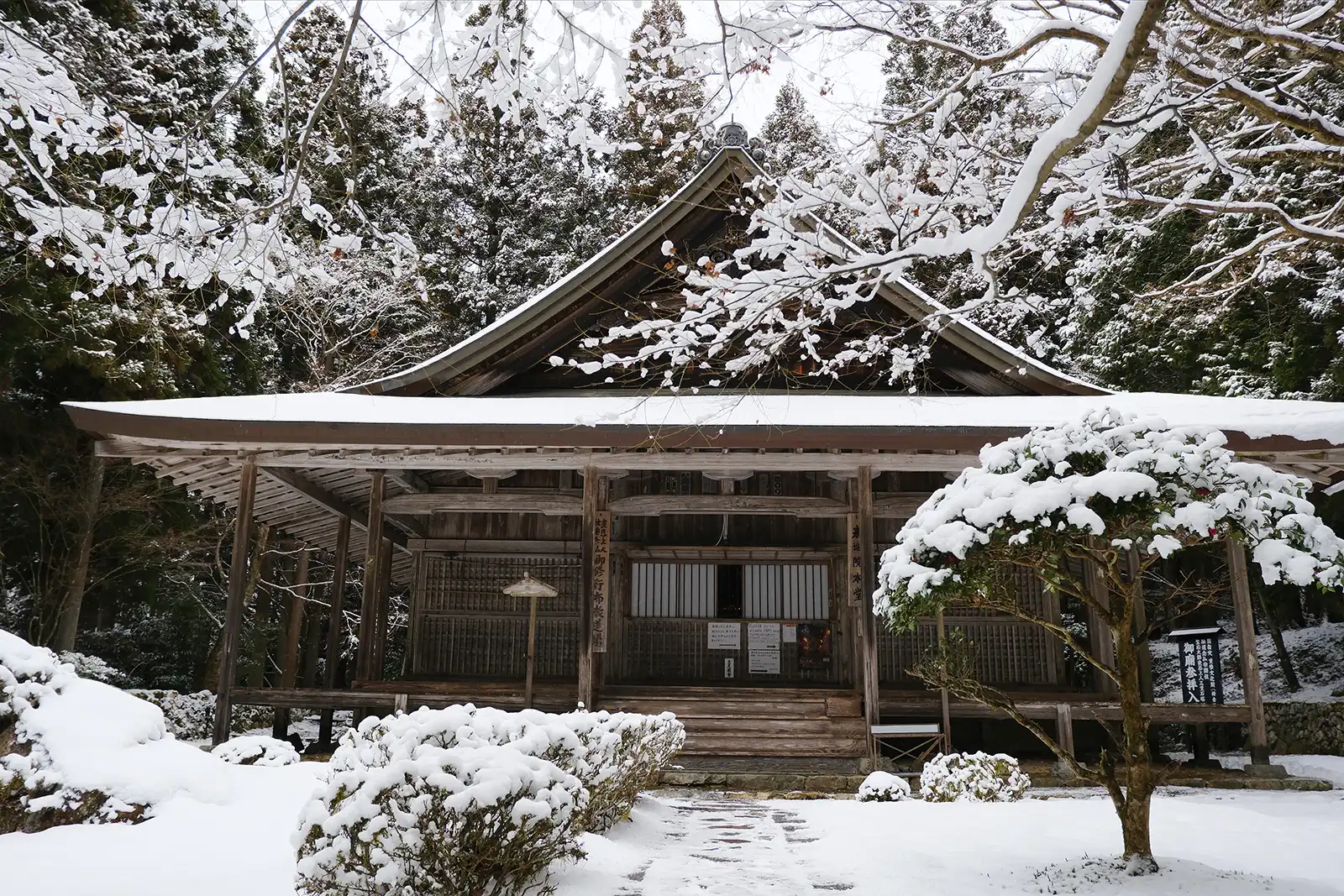
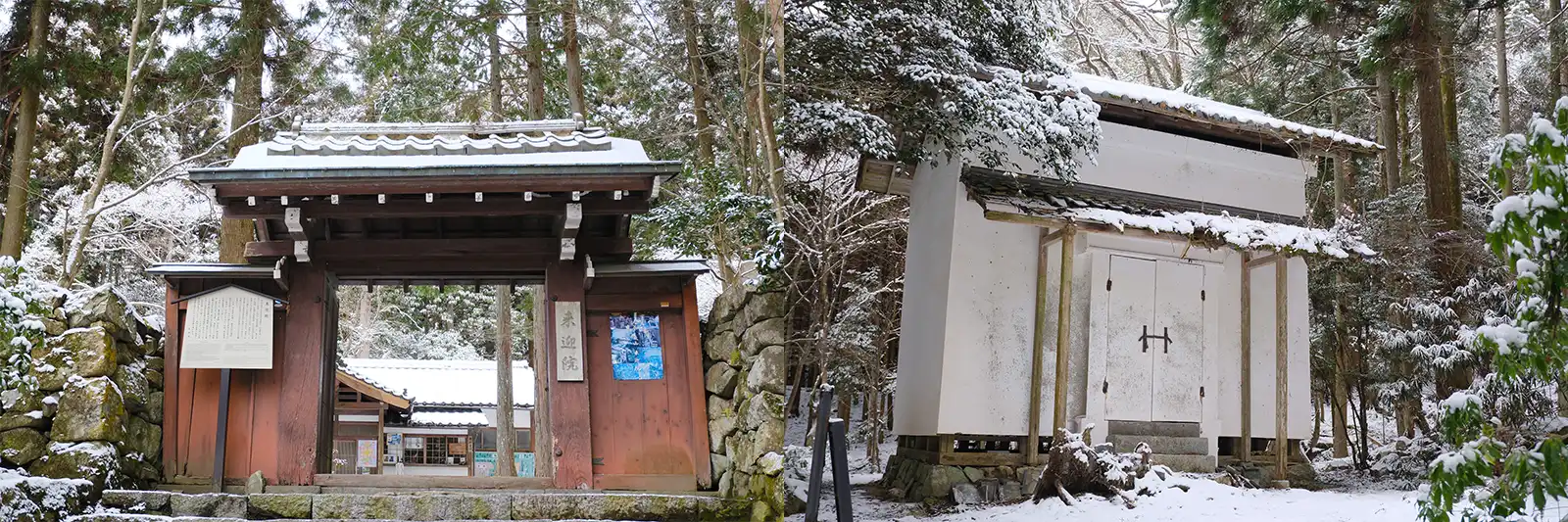
The origin of the music used in traditional Japanese performing arts
Leaving the well-known Sanzen-in Temple behind to follow an upward sloping path along the river for five minutes brings you to Raigo-in, a temple nestled deep in the forest. It is known as a place of training for shomyo, an ancient Japanese form of Buddhist chant.
Shomyo is a form of ritual music in which Buddhist scriptures are chanted to a distinctive melody. Unlike simple sutra recitation, shomyo is characterized by a melodic aspect with strong intonation and rhythm. Just as Christian hymns formed the foundation for Western music, so shomyo had a strong influence on Noh, Joruri, and Kabuki. This is why it is regarded as one of the roots of Japanese music.
The main hall enshrines a trio of Buddha statues crafted in the Heian period (794–1185) that have been designated Important Cultural Properties of Japan. The Buddhas depicted are Yakushi Nyorai, Amida Nyorai, and Shaka Nyorai. Even in Kyoto, there are few opportunities to view such rare and ancient statues up close.
Raigo-in also houses many ancient documents that are very important to the history of Buddhism in Japan.
Leaving the temple grounds to explore farther up the mountain path will bring you to Otonashi-no-Taki, a waterfall associated with shomyo training. According to legend, when the renowned monk Ryonin Shonin once chanted shomyo here, the sound of his voice harmonized with that of the waterfall so that the waterfall itself seemed to fall silent.
Visitors can try copying Buddhist scriptures at Raigo-in.
Hours: 9:00 AM to 4:00 PM
-
Walk 7 minutes
Hosen-in Temple
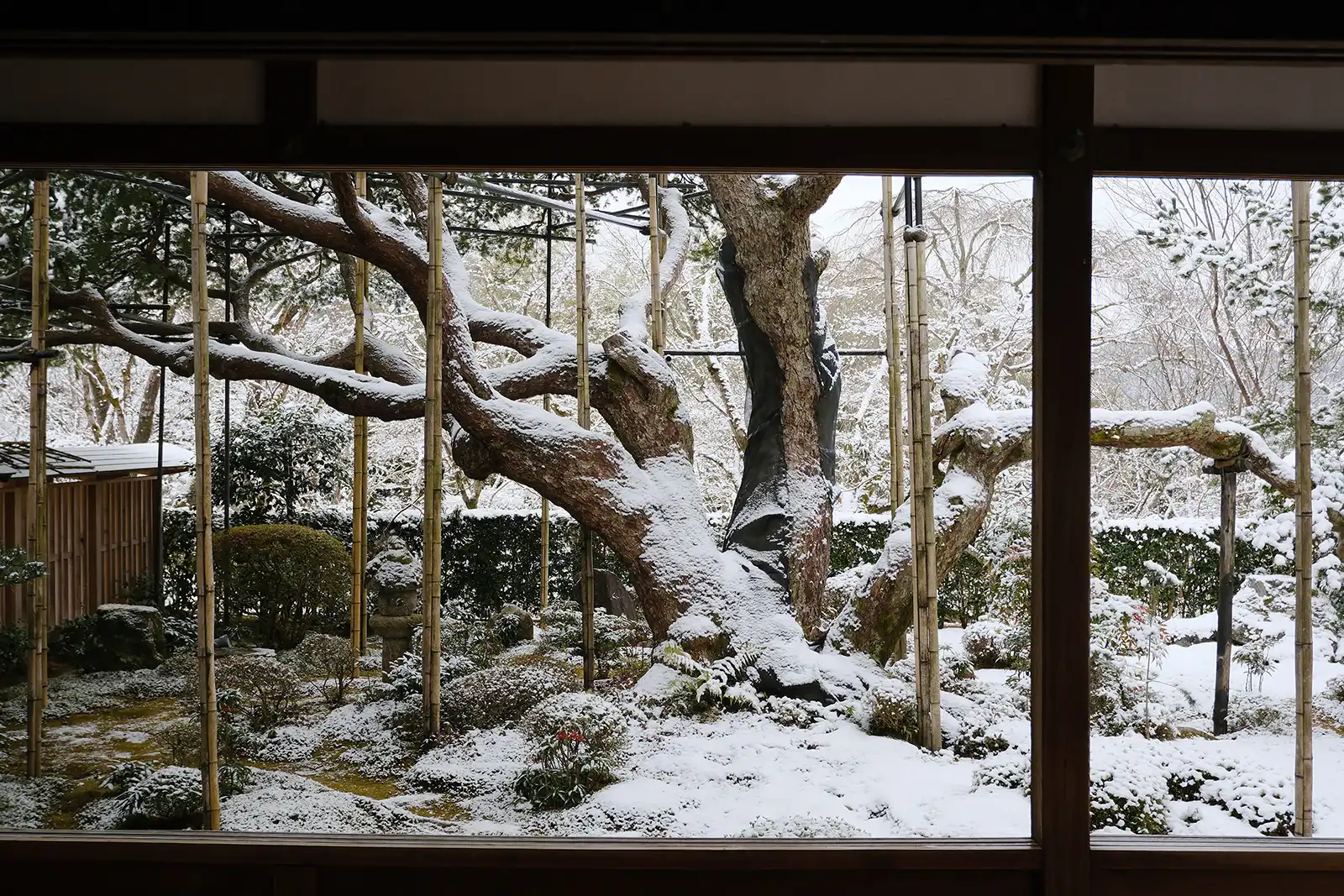
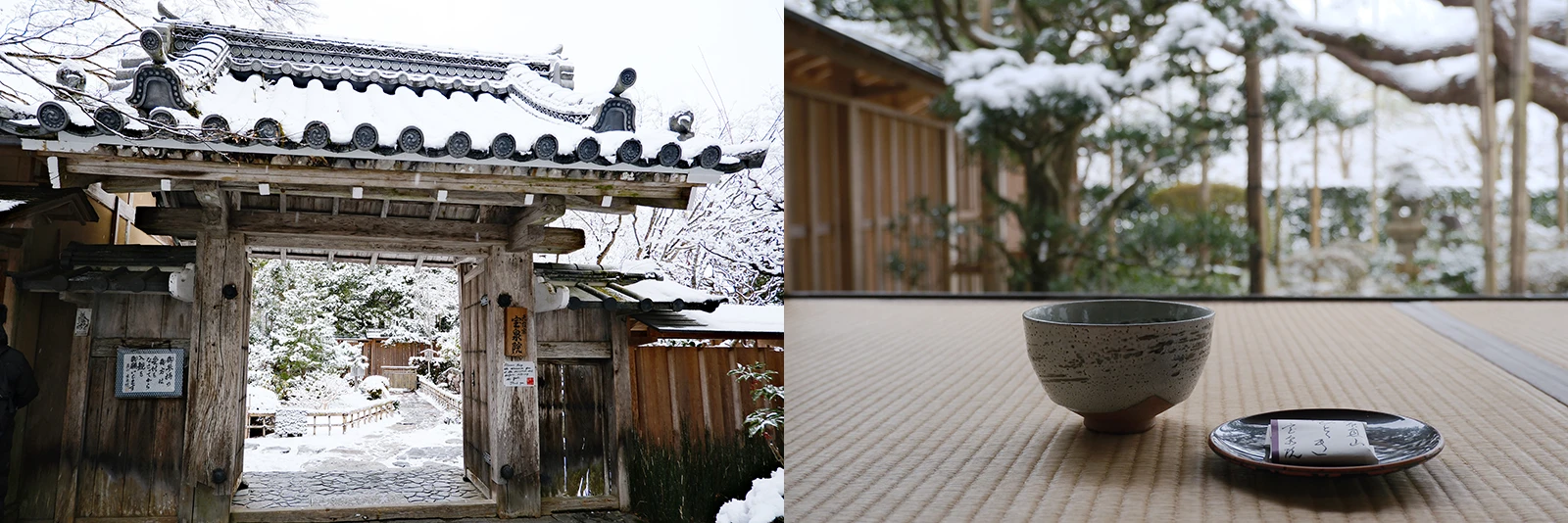
A framed garden view and a matcha break at Hosen-in
Hosen-in is a sub-temple (an independent temple in the grounds of a larger temple) affiliated with Shorin-in Temple, known as the other birthplace of shomyo. Shorin-in was founded in 1013, and Hosen-in was founded at the close of the Heian period (around 1180). Together these two historic temples have preserved Buddhist traditions in Ohara.
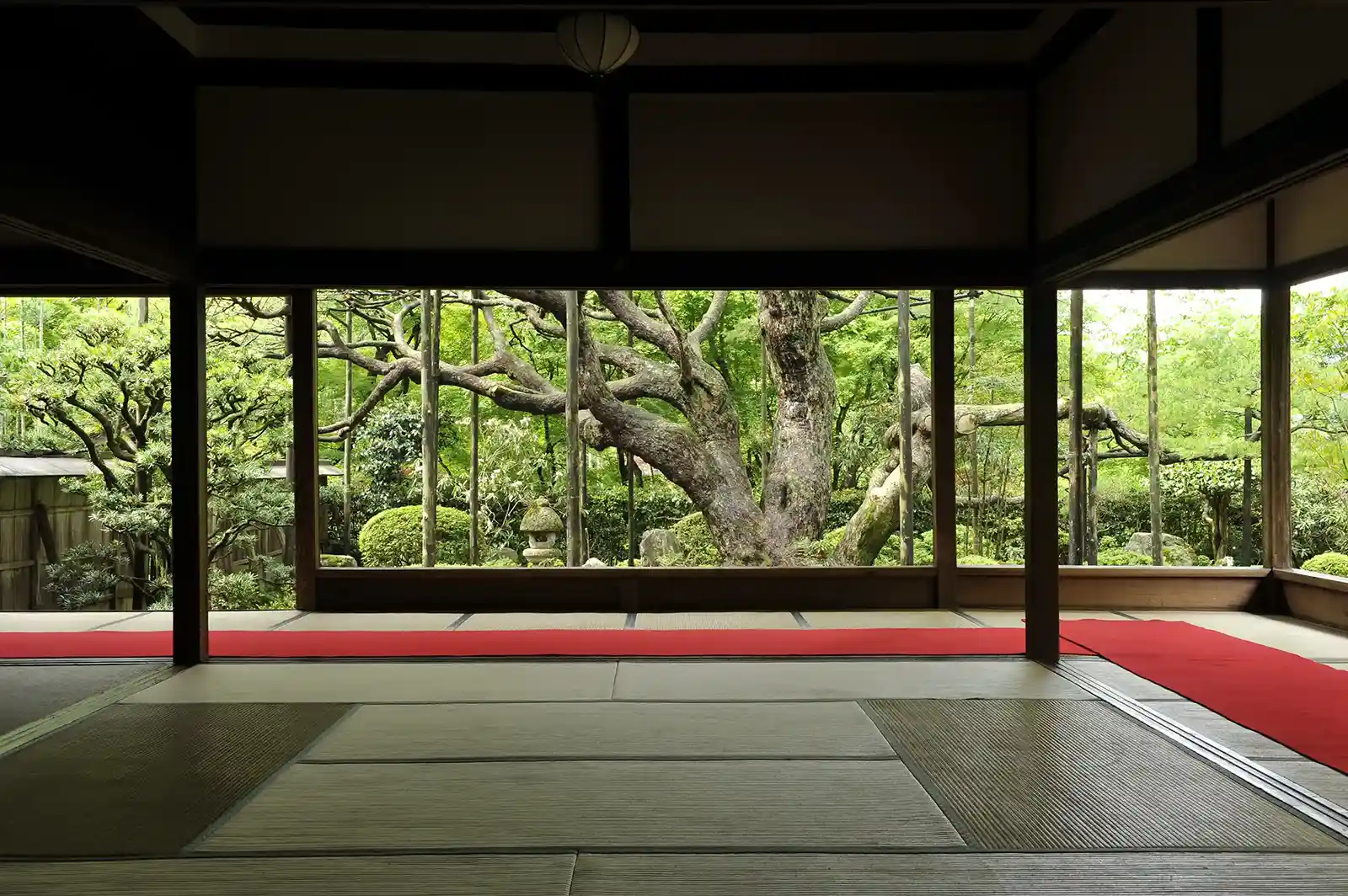
The most appealing feature of Hosen-in is its beautiful garden, which resembles a framed picture. In this garden grows a majestic tree known as the “Goyo-no-Matsu” (five-needle pine), which is estimated to be around 700 years old and is a Natural Monument of Kyoto City.
The admission fee to the temple includes matcha tea and a traditional confectionery, as well as the chance to take a moment to sit in the guest hall while looking out over the garden. It is a quiet luxury unique to Hosen-in.
The garden is adorned in vibrant green in spring and summer, and in autumn is transformed by the colors of the changing leaves.
There are some surprises awaiting temple visitors. For example, clapping your hands at the main entrance to the guest hall produces unique echoes called “nakiryu” that are said to resemble the cry of a dragon.
Another feature that speaks to the long history of this temple is the “blood ceiling,” which was constructed using repurposed floorboards from Fushimi Castle. It is a memorial to the samurai who lost their lives in the battle that took place there in 1600. Looking up at the ceiling reveals stark traces of blood that hint at the stories of the samurai who lived long ago.
Hours: 9:00 AM to 5:00 PM (reception closes at 4:30 PM)
-
Walk 6 minutes
Ichiyosha
Lunch at a high-up cafe
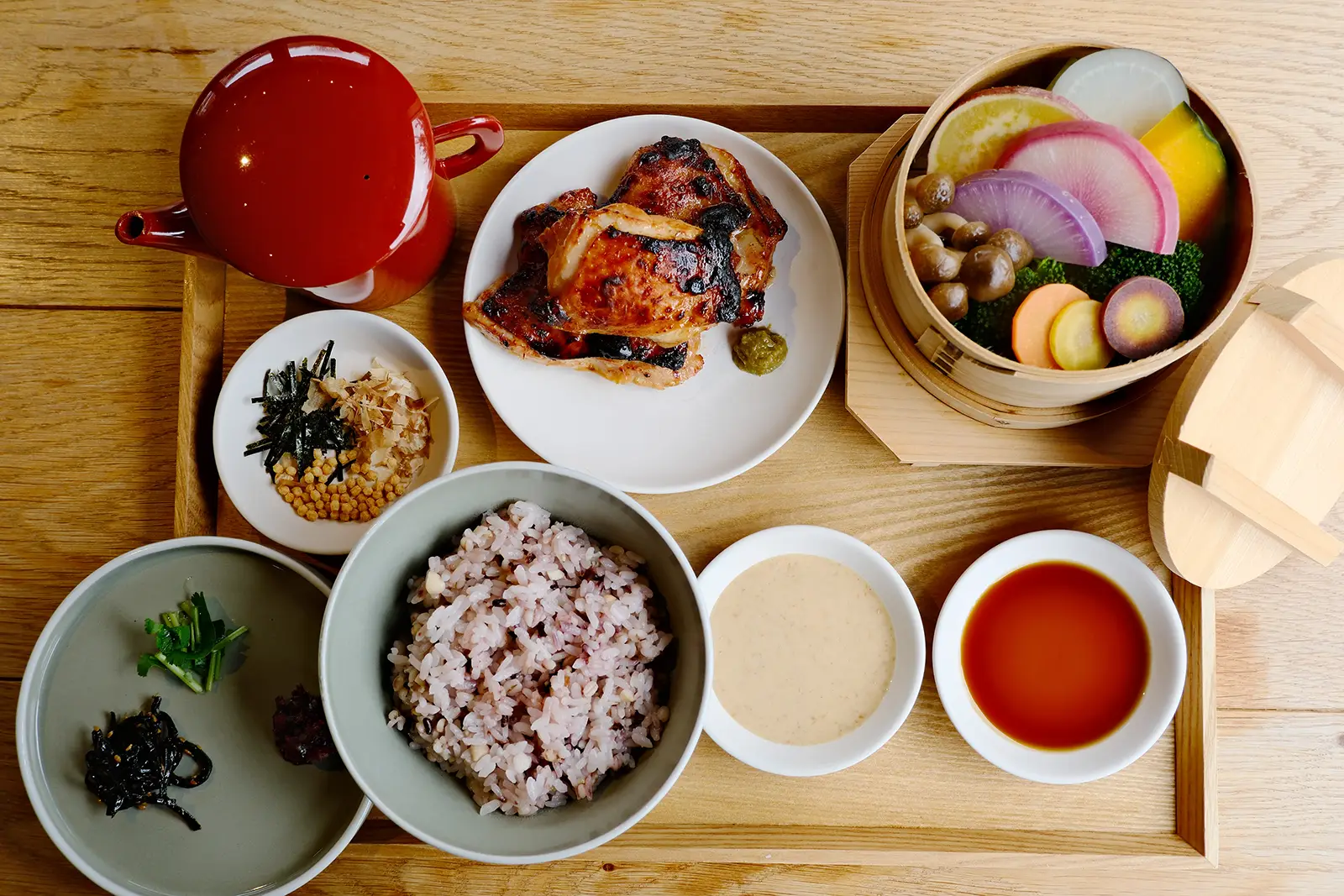
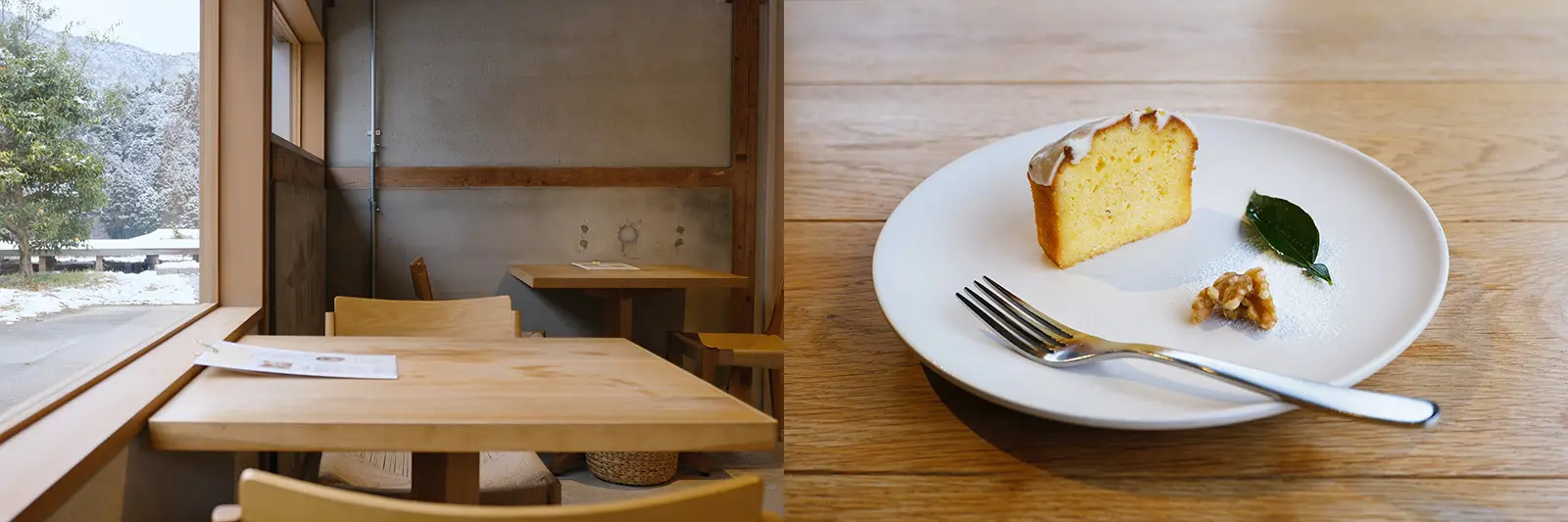
After exploring the temples, head back to the vicinity of the bus stop for a relaxed lunch. Ichiyosha is an open, airy, café-style restaurant in a high place surrounded by groves of yuzu citron trees and idyllic rural scenery. Originally utilized as a storehouse for shibazuke pickles—a specialty of Ohara—the building has been carefully renovated so that it blends modern comfort with an air of history.
The interior is bright and airy, lit by sunlight that streams in through the large windows. On nice days we recommend sitting out on the terrace, where you can enjoy your meal while taking in the fresh, invigorating air of Ohara.
Ichiyosha’s menu features generous set courses that make the most of fresh local vegetables, as well as nicely spiced curries. There are also homemade shiso juice, yuzu-based sweets, and other desserts made with Ohara’s local specialties.
Hours: 11:30 AM to 5:00 PM
Closed on Wednesdays
-
Walk 20 minutes
Jakko-in Temple
A sacred site etched in classical literature
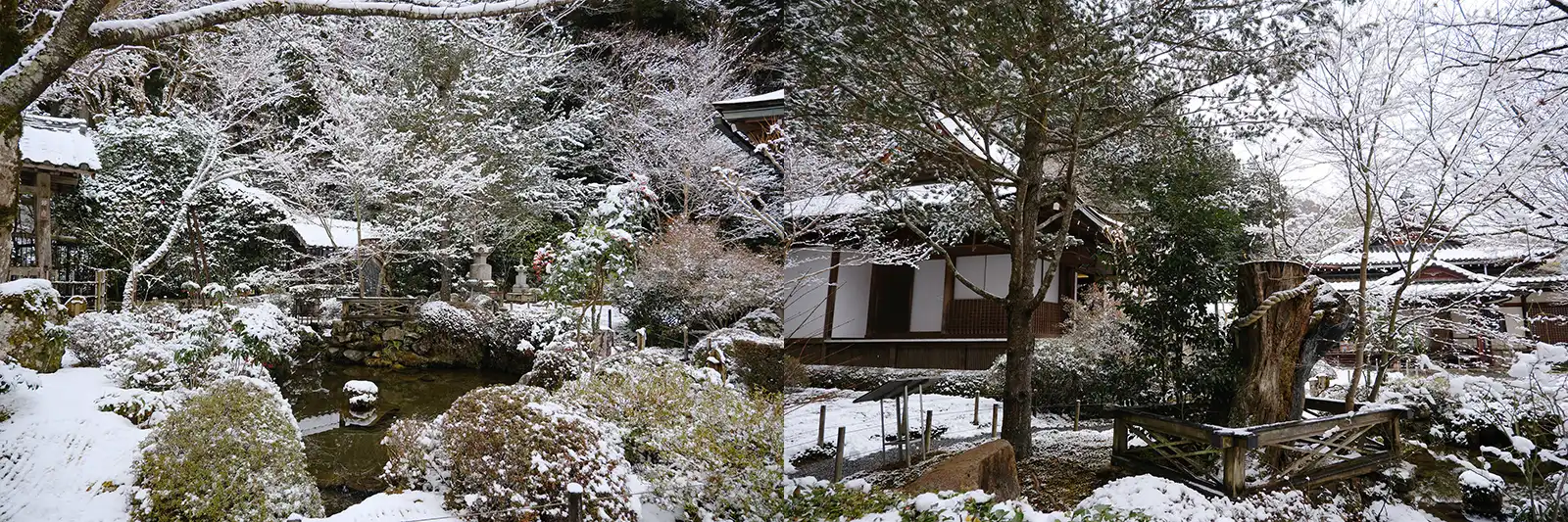
Heading even farther northwest from the area where temples such as Sanzen-in are located, you pass through tranquil rural landscapes before arriving at Jakko-in, a nunnery with a long history that is nestled quietly in the foothills of the mountains.
Along the approach to Jakko-in temple, there is a shop that sells unique soft-serve ice cream that is subtly flavored with white miso, as well as a footbath café that is open on weekends only. Taking a break while relaxing with your feet soaking in the warm waters of the hot spring is also a highly recommended experience.
The name “Jakko-in” became known to the world through the tale of Kenreimon-in, a noblewoman who lived in the twelfth century. Though the mother of the reigning emperor at the time, she was caught up in the tragedy of her family’s downfall and lived out the remainder of her life here in quiet prayer. Her story is vividly portrayed in one of the great works of classical Japanese literature, The Tale of the Heike.
Generations of noblewomen have served as abbesses at Jakko-in, preserving the light of its faith. Within the temple precincts are gardens that evoke the scenes depicted in The Tale of the Heike. Here, amidst the serenity that has lasted more than a thousand years, you can spend a moment contemplating the past.
Visitors can try transcribing Buddhist scriptures. Ask at reception if you are interested.
Hours: 9:00 AM to 5:00 PM (closes at 4:30 PM in winter)
-
Walk 12 minutes
The area around Ohara bus stop
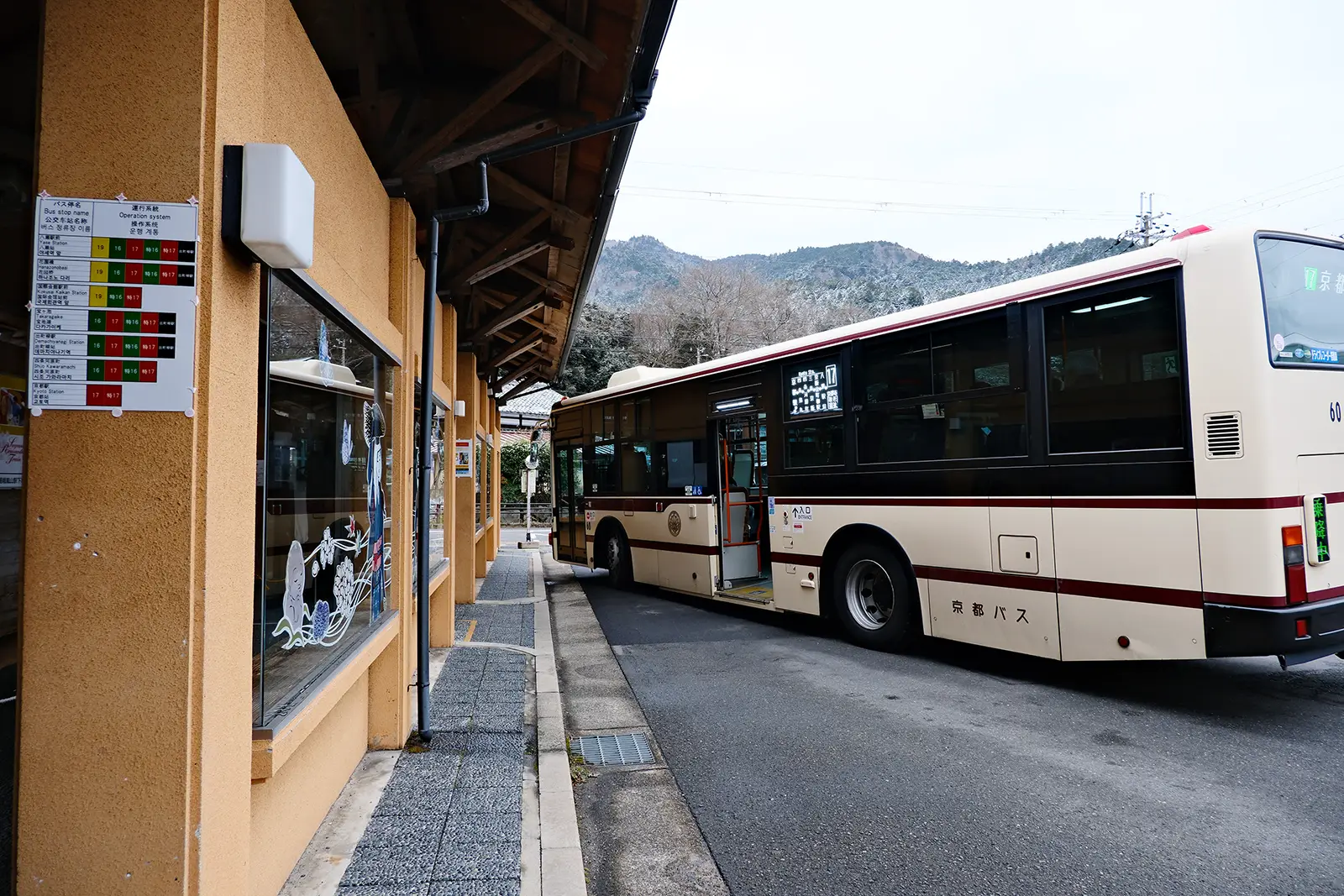
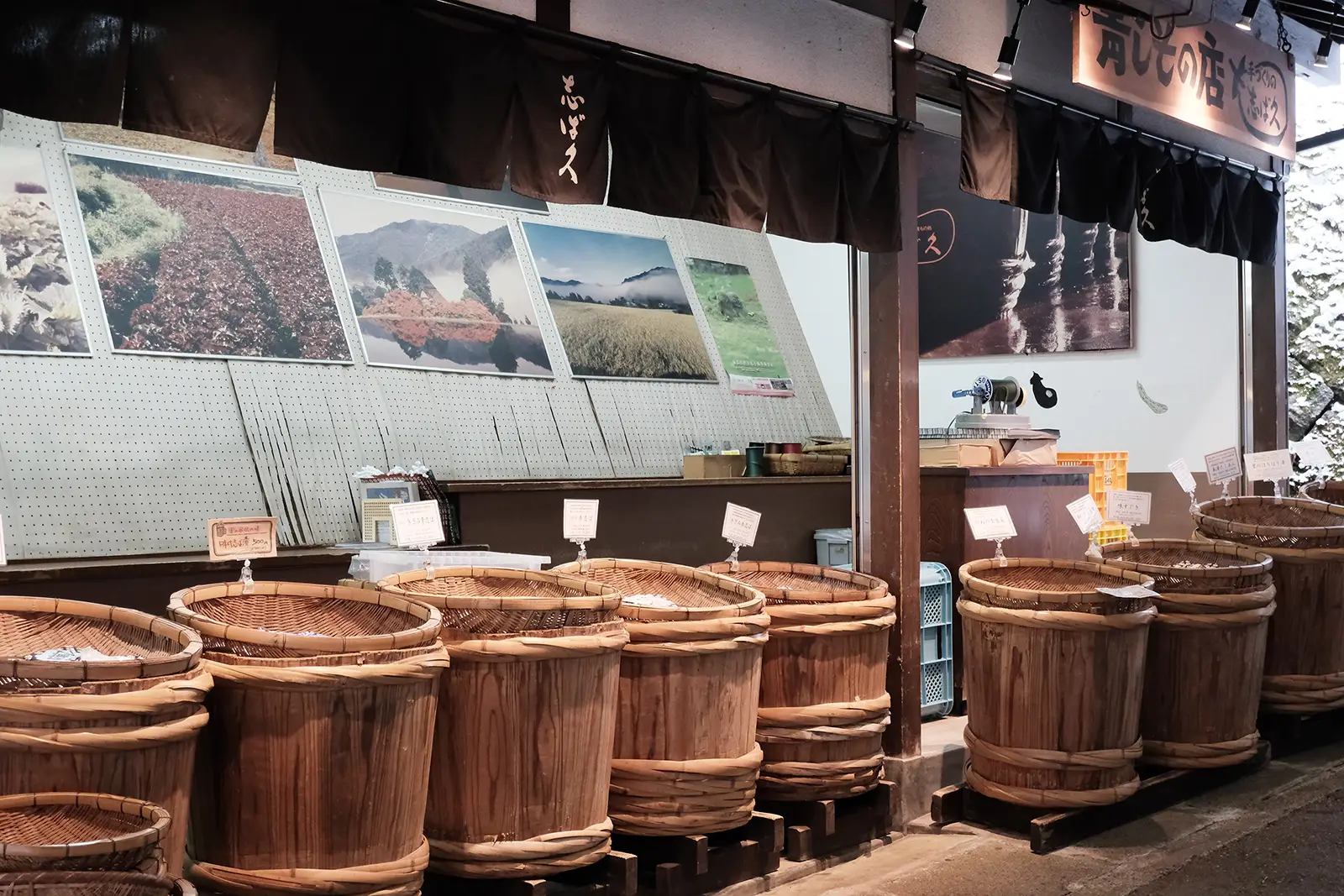
Exploring the area around the bus stop
After touring the temple area in northern Ohara, head back to the bus stop area.
In addition to Ichiyosha, described above, there are many other restaurants serving local cuisine, as well as souvenir stores. Since it can be difficult to find a taxi in Ohara, we recommend checking the time of your return bus in advance to ensure a smooth journey.
Walking a little further to the south from the bus stop brings you to an area with a different appeal. “Sato-no-eki Ohara,” which is very popular with the locals, is a lively market offering freshly harvested vegetables from Ohara and the surrounding region, as well as freshly made mochi. Take a look around to find a special memento of your trip while experiencing a glimpse of local life.
Spring also brings the sight of beautiful rows of cherry trees lining the riverbanks.