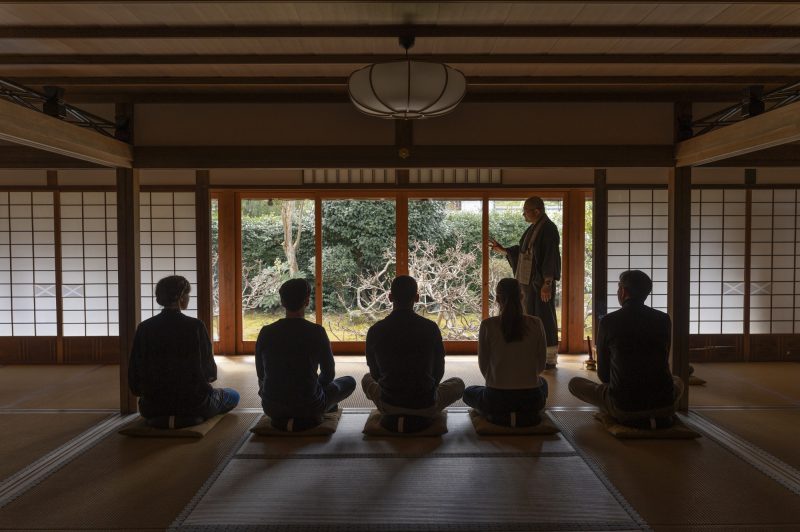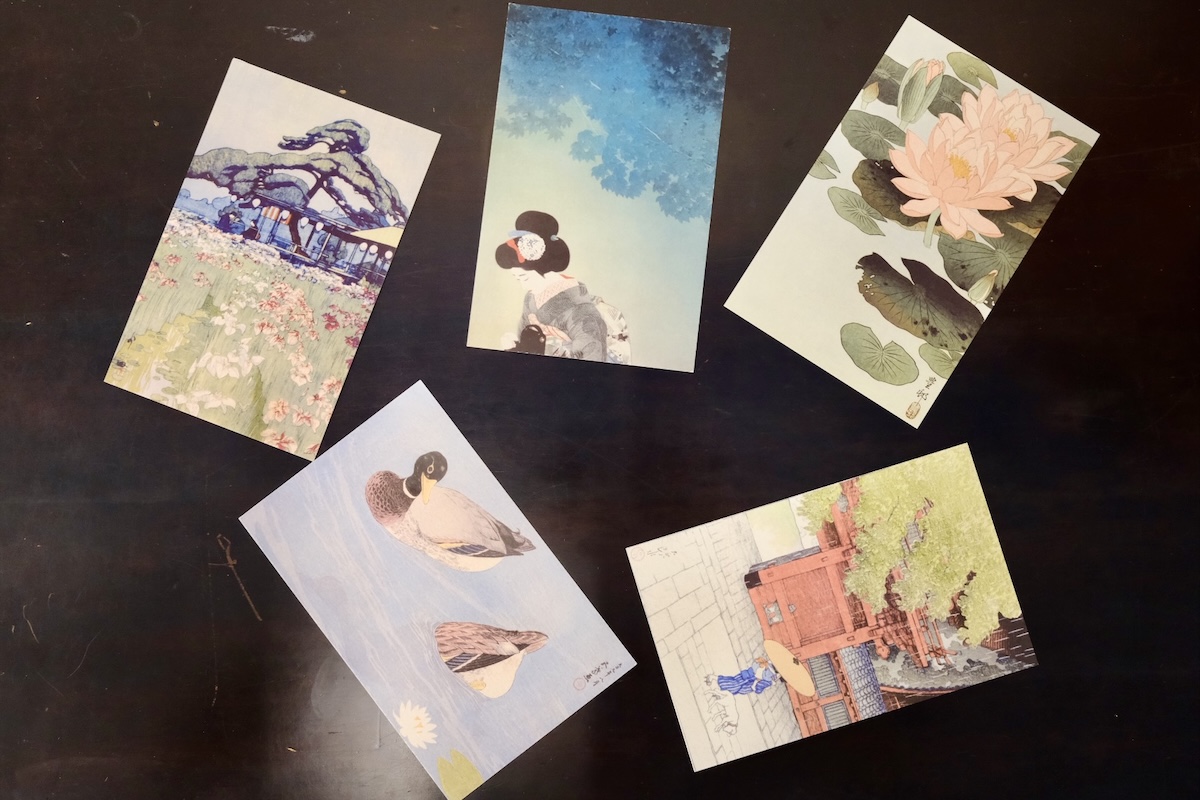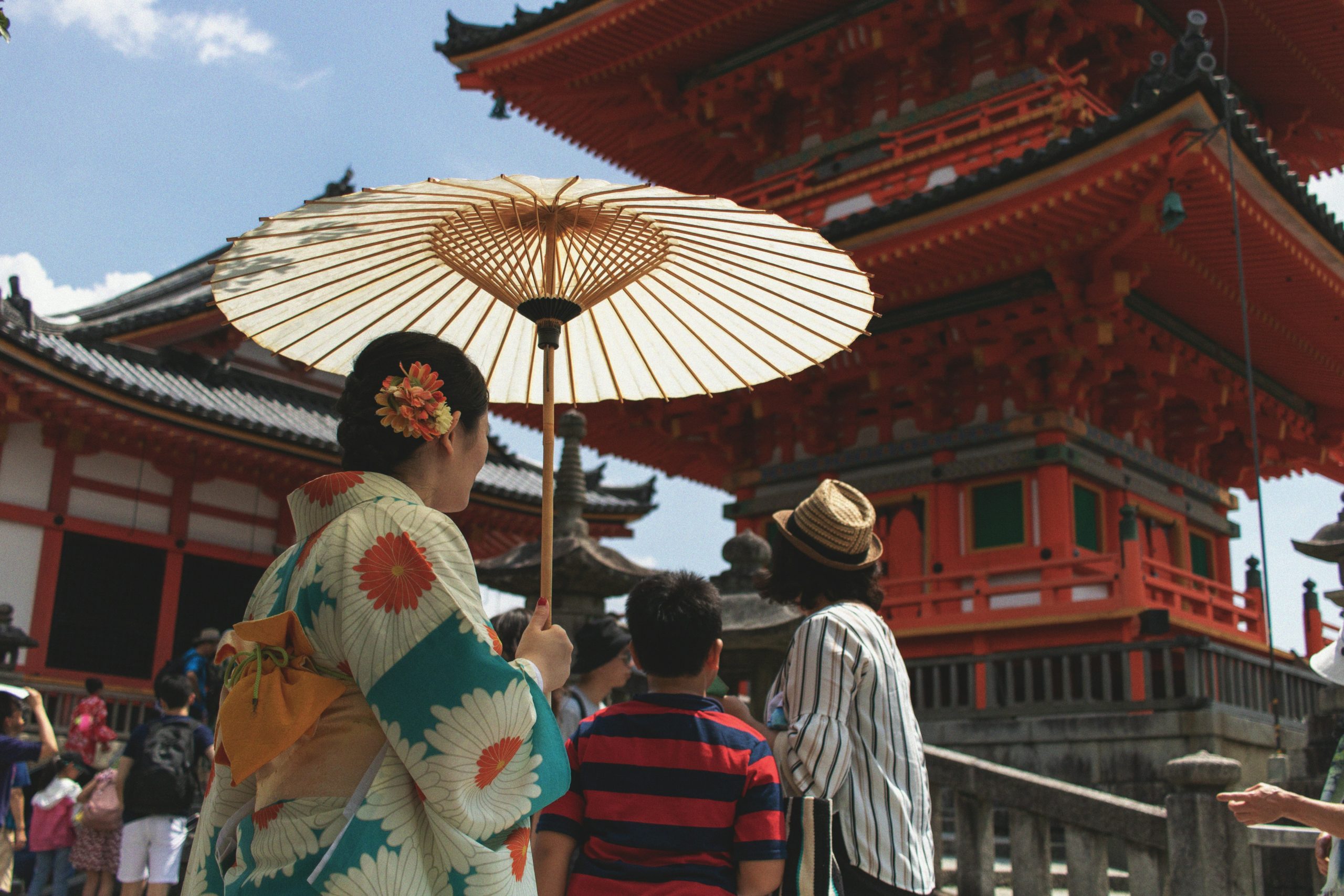
When planning a trip to Kyoto, social media, websites, and guidebooks offer plenty of inspiration. However, an indispensable part of planning a Kyoto vacation is knowing which spots require advance bookings, especially busy times of the year, such as the fall foliage or cherry blossom seasons. What could be more of a downer than arriving at a place you dreamed of visiting, only to realize it was reservation-only or fully booked?
But never fear — this article will help you prepare to make the most of your Kyoto trip.
Kyoto attractions you must always book in advance
These locations require a reservation to visit, regardless of the time of year or the size of your group. While this might seem like a bit of a hassle, it’s worth it to enjoy a peaceful, crowd-free visit or take a guided tour led by knowledgeable staff. We think these locations are definitely worth checking out!
Shigemori Mirei Garden Museum
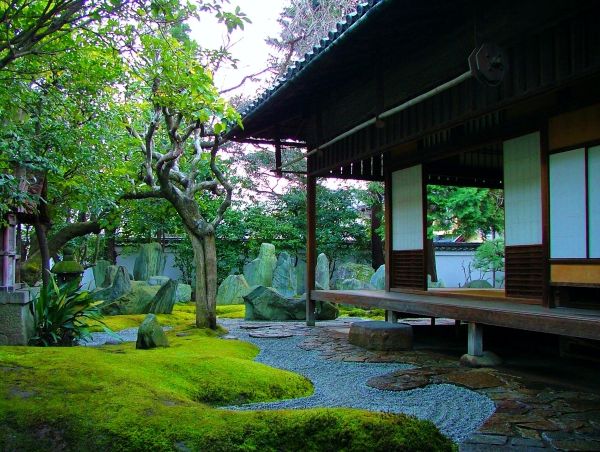
Visitors can tour part of the former residence of Shigemori Mirei, a leading landscape architect of the Showa period (1926-1989) known for designing gardens such as the Hojo Garden at Tofuku-ji Temple. A nationally registered Tangible Cultural Property, the site exhibits a striking harmony between the traditional building architecture of the Edo period (1603-1868) and the modern Japanese garden designed by Shigemori himself.
How to reserve: Up to 10 days in advance, preferably by email (shima753@hotmail.com)
Arashiyama Yusai-tei
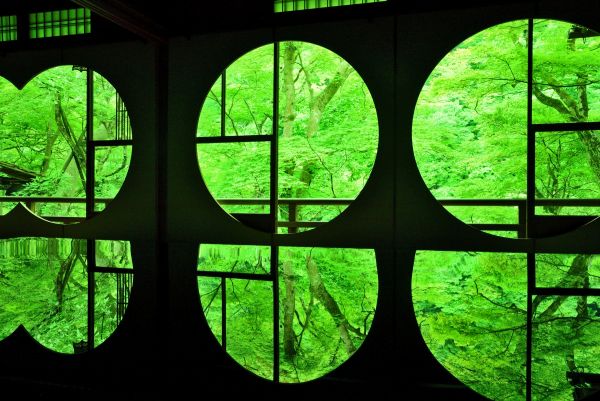
Arashiyama Yusai-tei’s 150-year-old building, designed in a traditional Japanese style, offers breathtaking views throughout the year. With its photogenic round windows and a garden aspect forever changing with the seasons, this is the perfect place to immerse yourself in the beautiful scenery.
How to reserve: Via the official website
Nijo Jinya
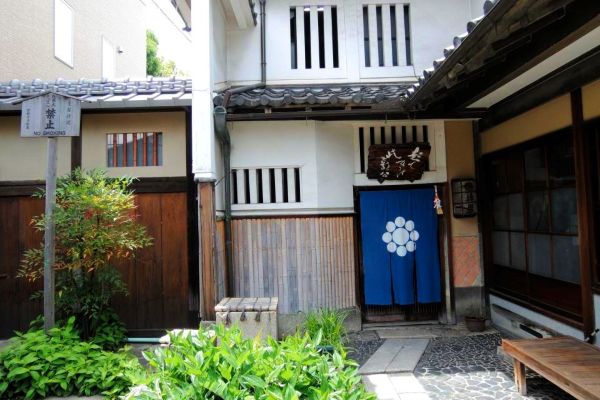
Designated an Important Cultural Property, Nijo Jinya is the residence of the Ogawa family, merchants that came to prominence during the Edo period (1603-1868). Back then, the residence also served as lodging for samurai and others awaiting trial at the Kyoto Magistrate. Highlights of the building include its elaborately crafted interior, as well as hidden mechanisms designed to ward off surprise attacks.
To visit, you will need to make a reservation for the approximately one-hour guided tour led by a member of the family. Tours are conducted in Japanese, so please arrange your own interpreter if necessary.
How to reserve: Via the official website. Reservations accepted up to 30 days in advance and at least 30 minutes prior to the tour start time.
Hata-ke Residence
Located in Kyoto’s Shimogyo Ward, since the mid-1700s the Hata-ke Residence has been home to generations of herbal medicine merchants. The current building, which was completed in 1869, is a beautiful example of the area’s traditional merchant dwellings. Despite being open to the public, it preserves an authentic, lived-in atmosphere, offering visitors a glimpse into what life was like in a traditional Kyoto townhouse. The building is also registered as a Tangible Cultural Property of Kyoto City.
How to reserve: Via the official website, at least one day in advance
Hakuryu-en Garden
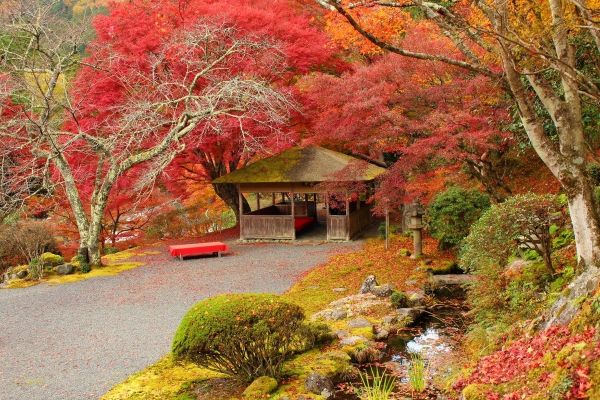
Hakuryu-en is a Japanese garden located in Kyoto’s Kurama-Ninose area. Although long known as a sacred mountain, by the mid-1900s the area had fallen into disrepair. The late Shoichi Aono, founder of Aono Co., Ltd., and local residents worked together to restore it in the early 1960s, and it has been maintained by the families of Aono Co. employees ever since.
Although normally closed to the public, Hakuryu-en is open by reservation in the spring and fall.
How to reserve: Via the official website. Open in autumn 2026 from October 10 to December 26 from 10:00 AM to 2:00 PM (closed in case of inclement weather).
Lake Biwa Canal Cruise
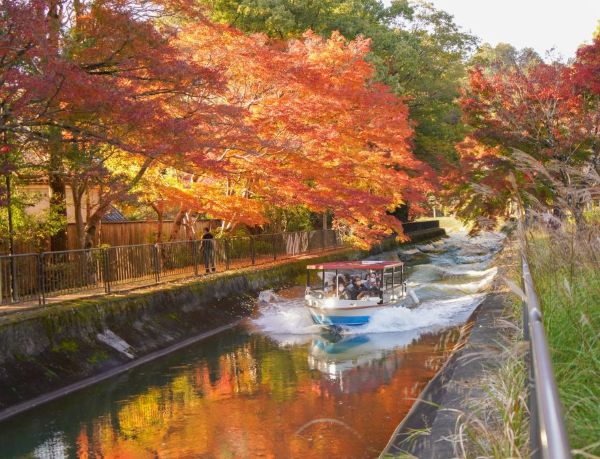
The Lake Biwa Canal connects Keage in Kyoto with Otsu in neighboring Shiga Prefecture. In August 2025, some of the Lake Biwa Canal facilities were designated as National Treasures and Important Cultural Properties.
Visitors can enjoy the canal scenery from the water by taking a Lake Biwa Canal Cruise, which only operates for certain parts of the year. The views during the cherry blossom and fall foliage seasons are particularly breathtaking.
How to reserve: Via the official website.
*Please note that in addition to the spots listed above, reservations are required for Saiho-ji Temple (popularly known as the Moss Temple). Please check the temple’s official website for details.
Kyoto attractions we recommend booking in advance
The following locations have limited capacity and can fill up quickly, so it’s best to make a reservation to ensure you get a spot. Although they accept walk-ins if they have openings, it’s a good idea to book well in advance during popular times of the year, such as the cherry blossom and fall foliage seasons.
Kyoto Sento Imperial Palace
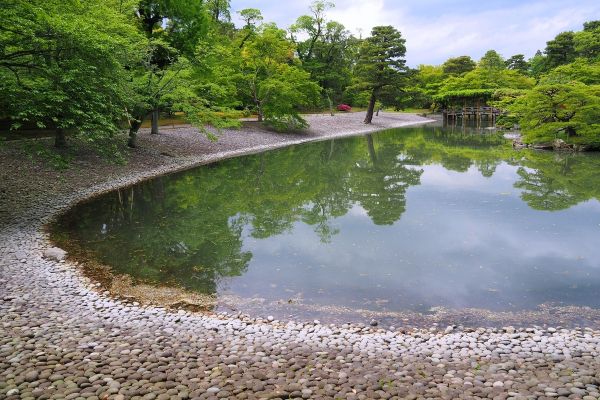
Kyoto Sento Imperial Palace is a residence for retired emperors, and the adjacent Omiya Imperial Palace serves as a residence for the empress. Both are still used by the emperor and empress when they visit Kyoto, and visitors can join guided tours that also include the palaces’ gardens, which are notable for their cherry blossoms, wisteria and azaleas in the spring, and autumn foliage in the fall.
Although normally closed to the public, Hakuryu-en is open by reservation in the spring and fall.
How to reserve: Via the official website. Reservations are accepted from 5:00 AM on the first day of the month three months before your visit until 11:59 PM three days before your visit date. Reservations will close once all slots are filled.
Katsura Imperial Villa
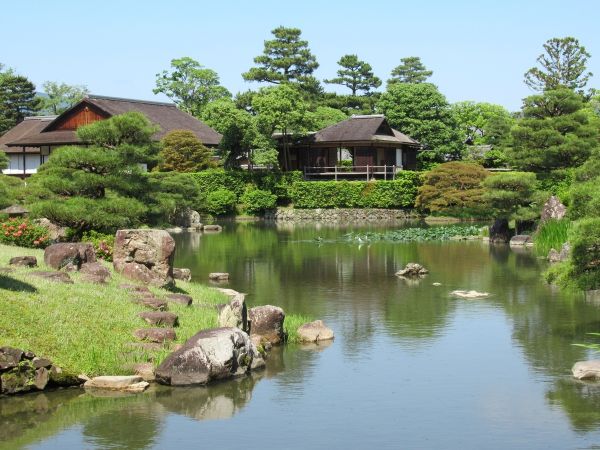
This large villa was built in the early Edo period (1603-1868) for the Hachijo-no-miya branch of the imperial family. The garden, centered around a large pond, is widely regarded as a masterpiece of Japanese garden design, with views slowly unfolding as you stroll along the paths.
How to reserve: Via the official website. Reservations are accepted from 5:00 AM on the first day of the month three months before your visit until 11:59 PM three days before your visit date. Reservations will close once all slots are filled.
Shugakuin Imperial Villa
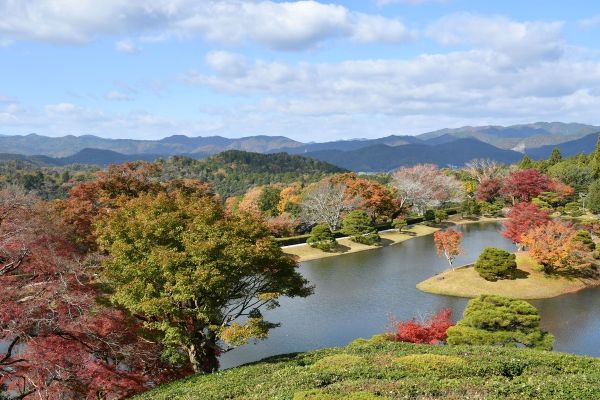
Located at the foot of Mt. Hiei, Shugakuin Imperial Villa is a mountain retreat built by retired emperor Go-Mizunoo in the early Edo period (1603-1868). The Upper, Middle and Lower Villas are situated on three terraces of varying elevation, and visitors can enjoy the villa’s serene vistas blending beautifully with the natural surroundings.
How to reserve: Via the official website. Reservations are accepted from 5:00 AM on the first day of the month three months before your visit until 11:59 PM three days before your visit date. Reservations will close once all slots are filled.
Murin-an
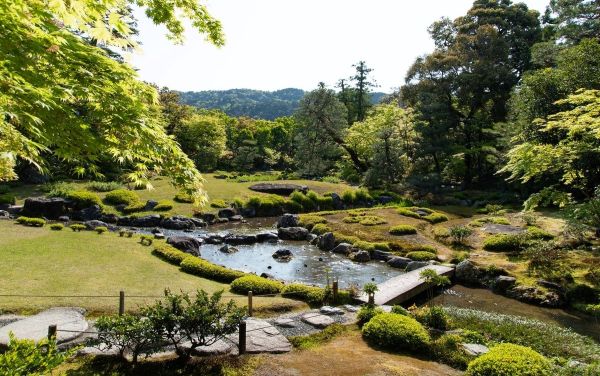
Built between 1894 and 1896, Murin-an was the garden villa of politician Yamagata Aritomo, who had a deep appreciation for garden design. Reflecting Yamagata’s vision, the traditional Japanese garden incorporates numerous innovative elements that were rare at the time and is considered a masterpiece of modern Japanese garden design. It is designated as a National Place of Scenic Beauty.
How to reserve: Via the official website, from 30 days until one hour before your visit.
Former Retreat of Iwakura Tomomi
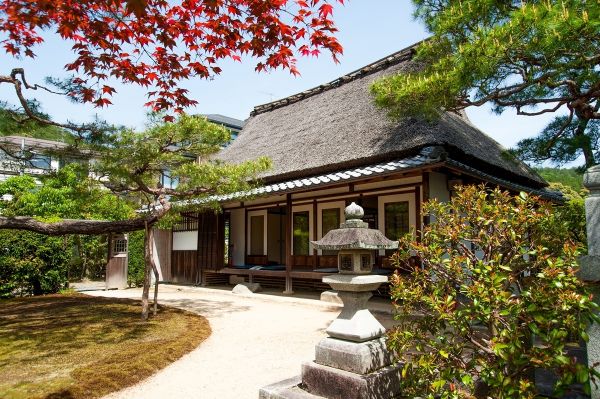
This hidden gem is where Iwakura Tomomi, a prominent politician of the late Edo (1603-1868) and Meiji (1868-1912) periods, lived in seclusion after his life was threatened by radical factions. In 1864, he purchased the residence (now the retreat’s annex) of a carpenter named Tokichi and expanded it by adding a main house and a connecting wing, making it his home.
The retreat is now designated as a National Historic Site. The Taigaku Bunko exhibit building is also located on the grounds and is a nationally registered Cultural Property.
How to reserve: Via the official website, from 30 days until one hour before your visit.
Kyoto State Guest House
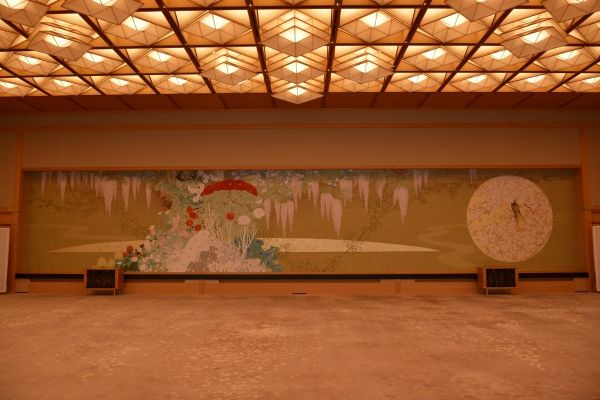
Located within the Kyoto Gyoen National Garden, this stately guest house was opened in 2005 to host distinguished guests from overseas, as well as foster friendly international relations and a deeper understanding of Japan. The space, which showcases the finest traditional craftsmanship, exudes an elegant, refined ambiance that is unmistakably Japanese.
How to reserve: Via the official website, by noon the day before your visit.
Sagano Romantic Train
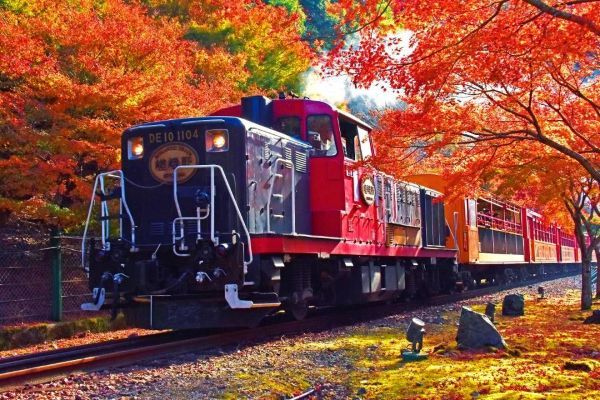
Leisurely chugging along a 7.3-km scenic rail line down the Hozugawa River valley, passengers can relax on this charming train as they take in stunning natural views. Same-day tickets are available, but they often sell out, so we highly recommend making a reservation, especially during peak travel seasons.
How to reserve: Via the official website. Tickets can be reserved from midnight one month in advance.
Gekkeikan Okura Sake Museum
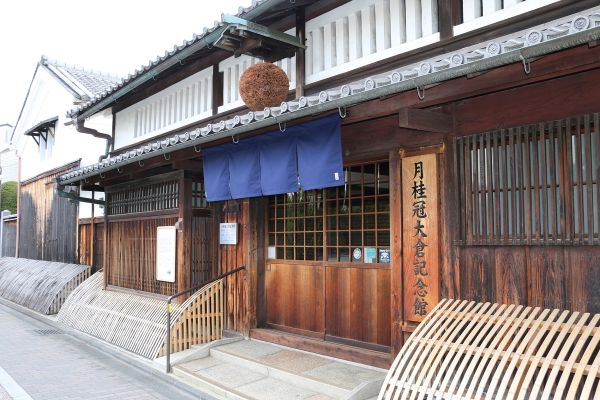
Housed in a renovated sake brewery originally built in 1909, this museum introduces the history of sake brewing in Kyoto’s Fushimi area, as well as the story of sake manufacturer Gekkeikan itself. The tour concludes with a tasting of three varieties of sake.
How to reserve: Via the official website. Reservations are accepted from 9:30 AM two weeks before the tour date to 4:30 PM the day before. Reservations will close once all slots are filled.
Gion Corner
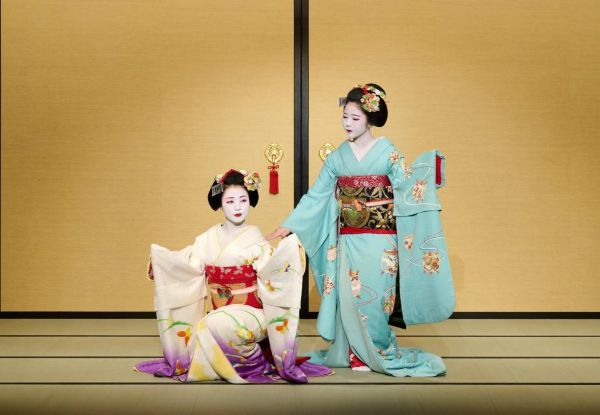
This centrally located theater presents highlights of Japan’s traditional culture and performing arts, including kyomai dances performed by maiko, as well as kyogen comedy, bugaku dance, tea ceremony, ikebana flower arrangement, koto music, bunraku puppet theater, and Noh theater.
How to reserve: Via the official website. Regular performances at 6:00 PM and 7:00 PM daily.
Kyoto attractions requiring reservations during autumn
Kyoto can become very busy with visitors who come to see the fall colors the city is famous for. There are numerous well-known spots for viewing autumn leaves, and some of them require reservations specifically during this season.
Ruriko-in Temple
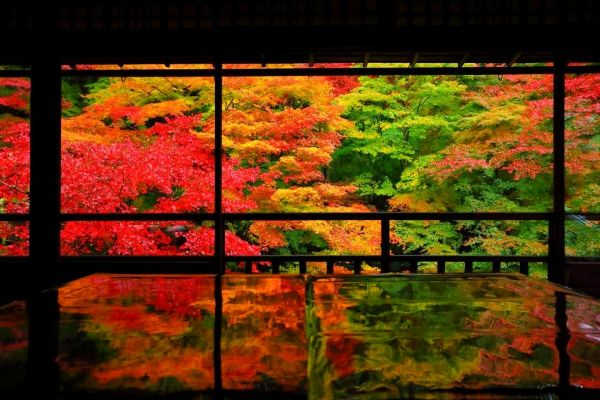
Ensconced in lush nature at the foot of Mt. Hiei, Ruriko-in Temple’s garden overflows with beautiful scenery in every season. The garden is open to the public only during certain periods in spring, summer, and fall, with advance reservations required during part of the fall viewing period. The 2026 fall viewing period runs from October 1 to December 13.
How to reserve: Please check the temple’s website for details.
Enko-ji Temple
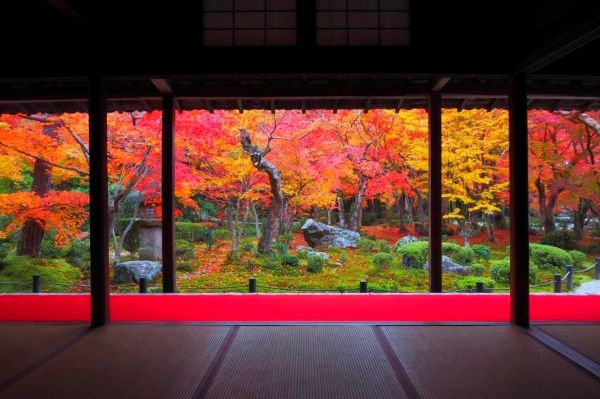
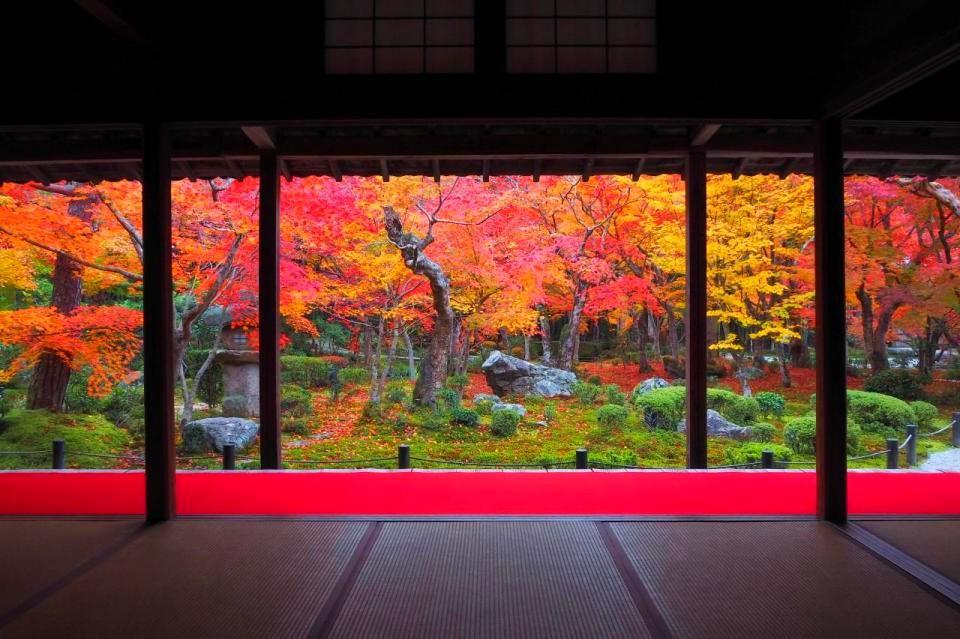
Enko-ji Temple was founded by Shogun Tokugawa Ieyasu. Its Jyugyu-no-niwa Garden is especially beautiful when draped in fall colors, and admission is by reservation only during this period because it attracts so many visitors.
The fall foliage viewing period for 2026 is from November 10 to December 10.
How to reserve: Via the temple’s website. Reservations open from October 20.
Other Kyoto services to book in advance
Fortune favors the prepared, and indeed advance planning will help you spend an enjoyable, stress-free time in Kyoto. We encourage you to make reservations whenever possible, not just for hotels and transportation, but also for kimono rentals, Japanese cultural experiences, and popular restaurants. Some shops, including department stores, even let you reserve souvenirs in advance.
You can also reserve luggage storage services or have your luggage delivered from Kyoto Station to your accommodation, giving you more time to explore the city without needing to lug around a suitcase.
Click here for more information about luggage services
Kyoto is usually extra crowded during the fall foliage and cherry blossom seasons. You can refer to the “Kyoto Travel Congestion Forecast,” which shows crowd levels in various tourist hotspots and live camera feeds, to help plan a more comfortable sightseeing experience.
Kyoto Travel Congestion Forecast
Kyoto City Tourism Association official YouTube channel live camera
*The reservation information in this article is current as of September 2026. Please check each facility’s official website or other reliable sources for the latest information.
List of locations
We have compiled the locations featured in this article into a map.