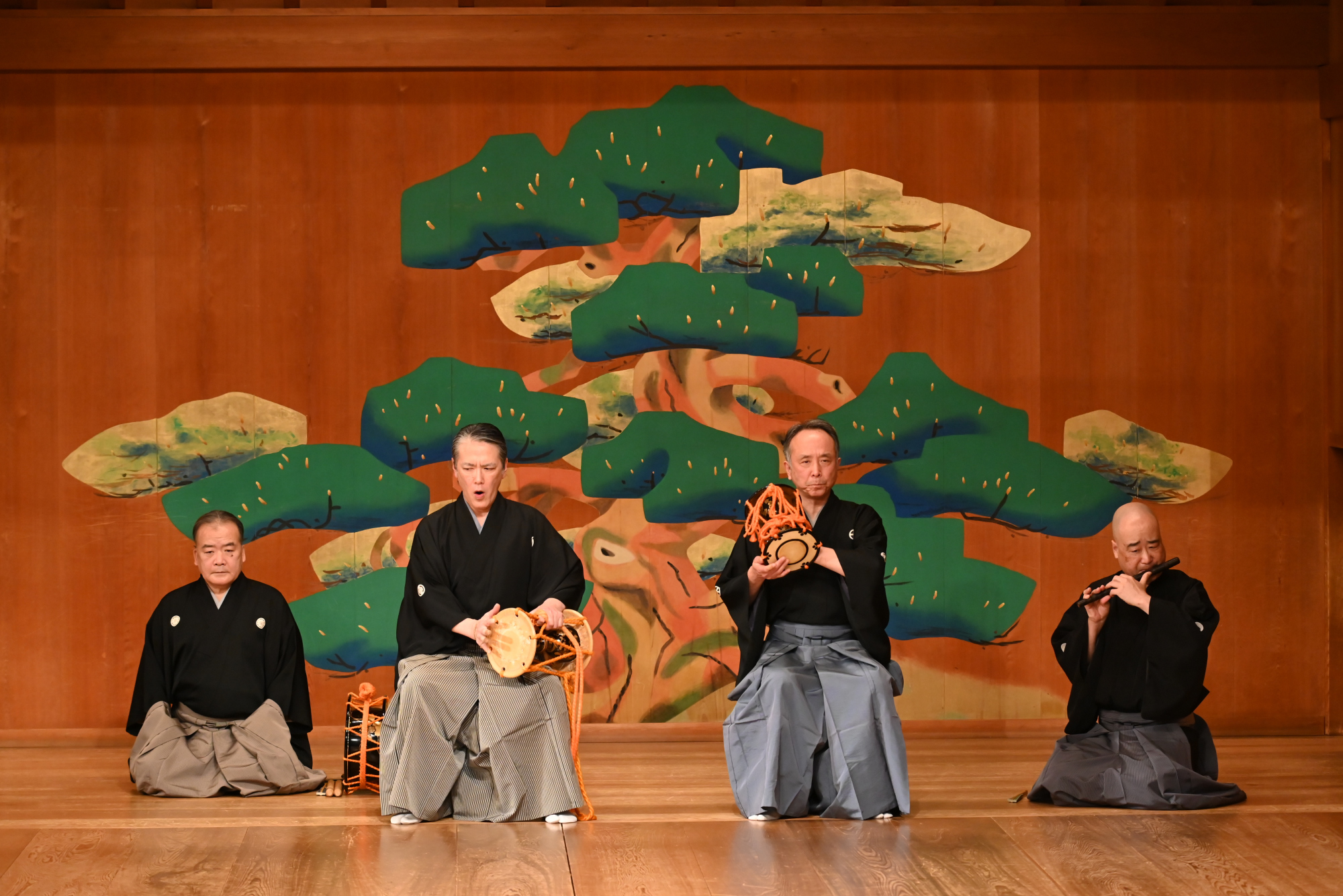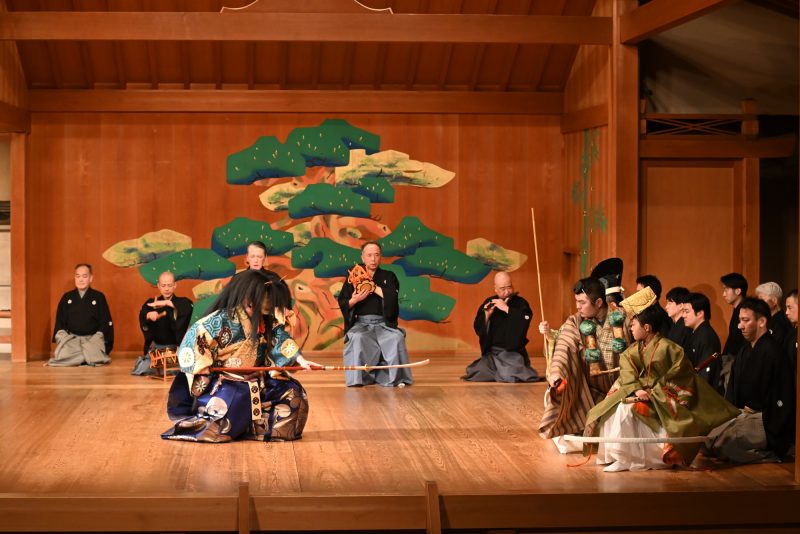
*Noh theater performance of “Funa-Benkei” with a traditional hayashi musical ensemble
Throughout its history, Kyoto has been the birthplace and stage for many of Japan’s most celebrated arts. Among them, the dynamic yet graceful performance arts are perhaps the most spectacular and engaging, even for first-time viewers. The UNESCO-recognized Nohgaku and Kabuki theaters, the complex sounds of Hogaku music, the elegant movements of Nihon Buyo dance, and the humor of the Rakugo storytelling art all continue to captivate audiences today.
Nohgaku – Noh and Kyogen Theater
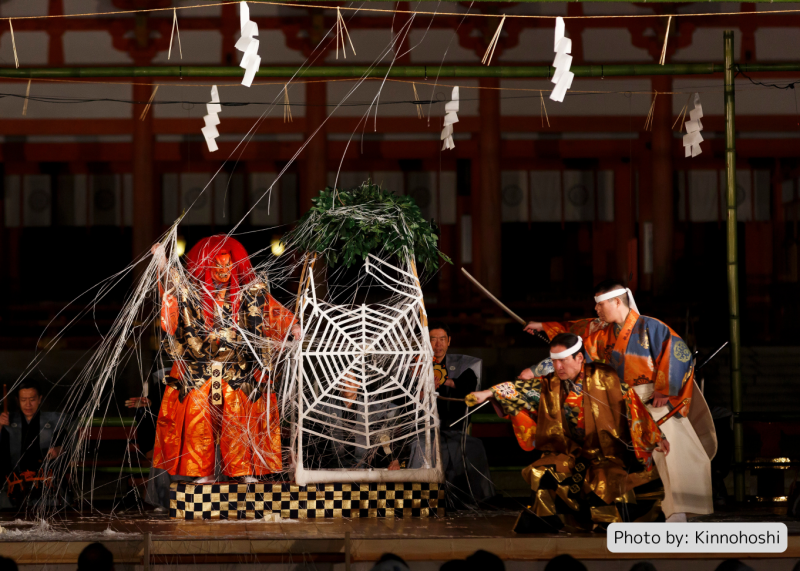
Noh and Kyogen are said to be one of the oldest performing arts surviving in its original form to this day.
Their current form was established over 400 years ago. Designated as an UNESCO Intangible Cultural Heritage, these artforms continue to be celebrated and influential within Japan as well as abroad.
Although Noh and Kyogen are available to spectators all-year round, a particularly festive performance called “Takigi Noh” is held in Kyoto from June 1st to June 2nd. Unlike most plays of its kind, it is shown outdoors at night, and illuminated by the light of the bonfire.
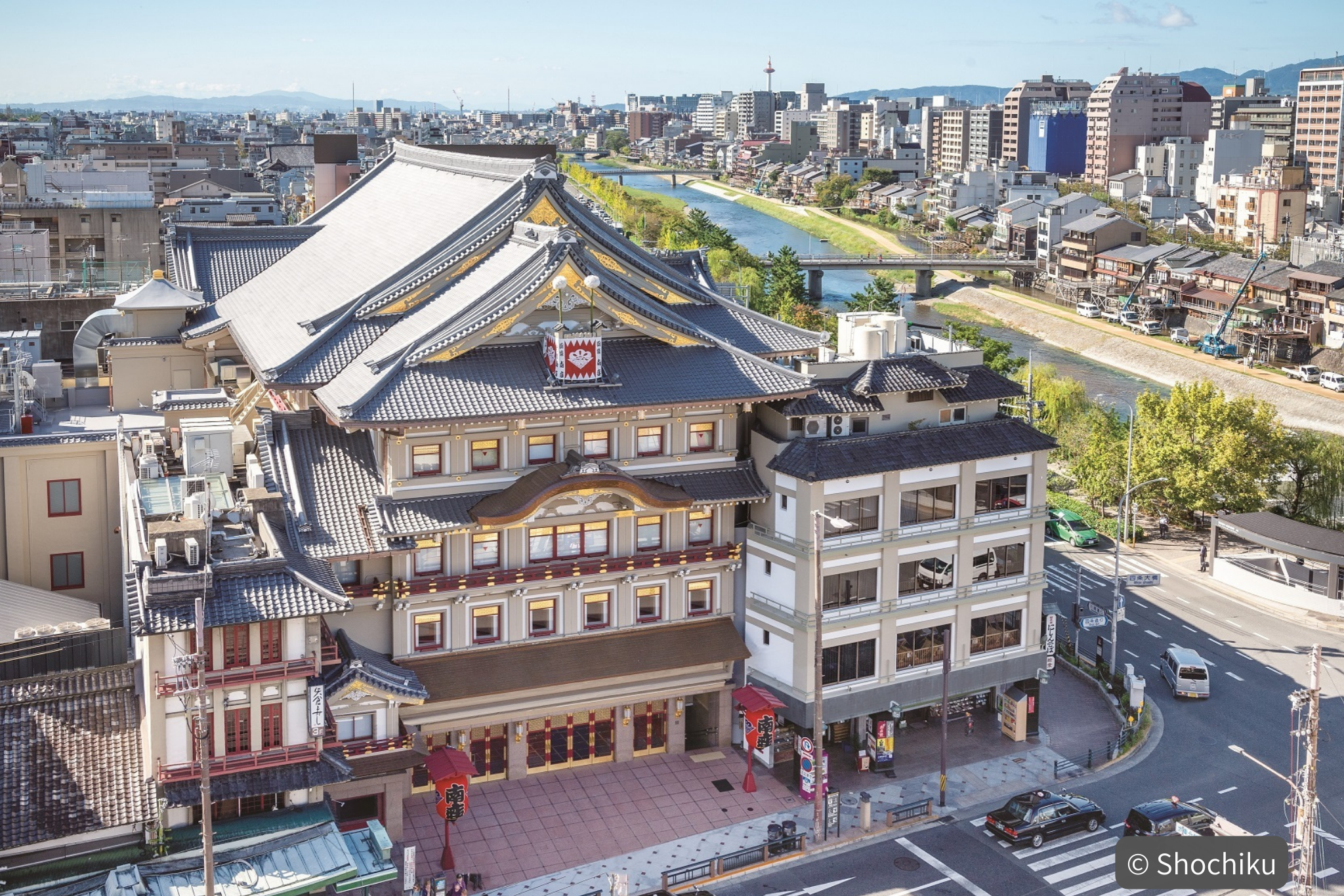
Kabuki Theater
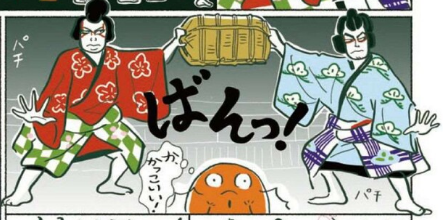
Kabuki is one of Japan’s most iconic traditional performance art, featuring bold and stylized acting, colorful costumes and make-up, as well as an all-male cast. Its origins are traced back to 1603, when a female entertainer called Okuni began performing dramatised cross-dressing dances in Kyoto, establishing the basis of what would become the Kabuki we know today.
Unlike the exalted characters of Noh theater that feature gods and heroes, Kabuki’s protagonists tend to be the common people, often those who live on the edges of society such as star-crossed lovers, cunning villains, con artists and courtesans.
Hogaku Music
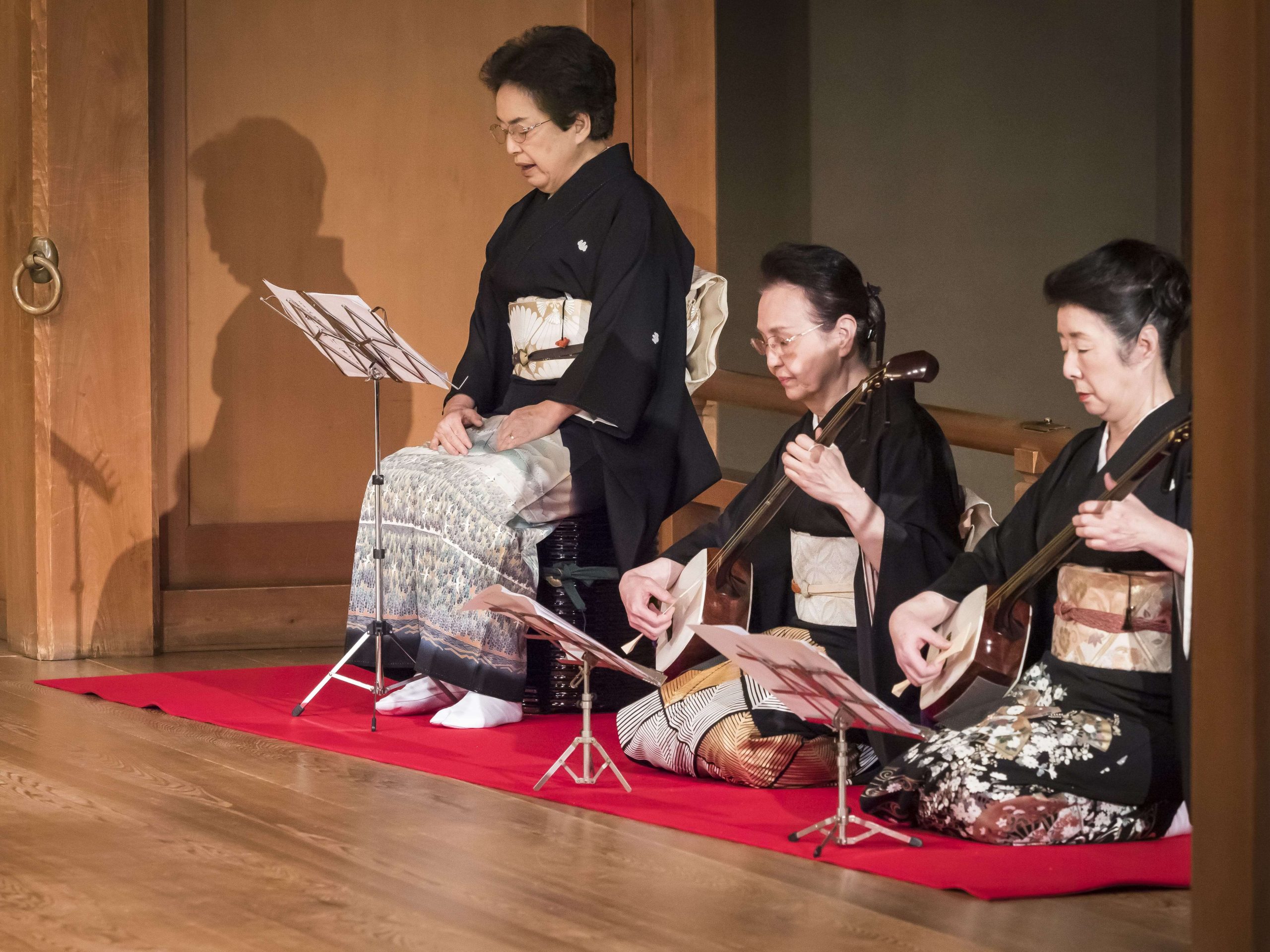
Hogaku encompasses Japan’s traditional music developed since the Nara period (710-794), ranging from somber religious chants to lively festival music. This complex musical tradition has developed alongside theater arts such as Noh, Kabuki and puppet plays.
Hogaku is played with various flutes, drums and stringed instruments, such as the nokan, kotsuzumi and shamisen.
Nihon Buyo Dance
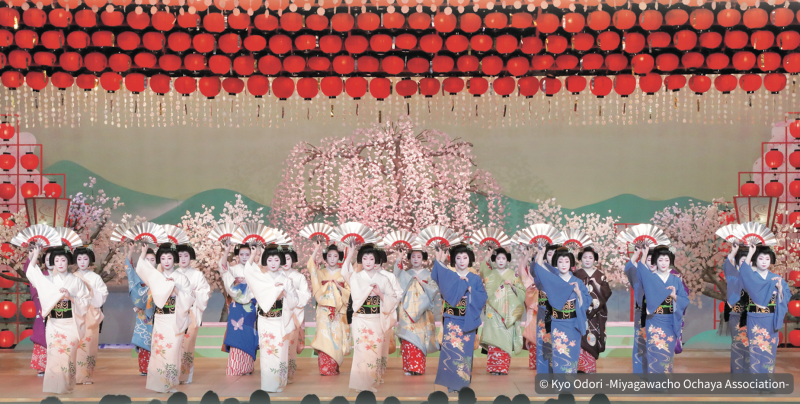
Nihon Buyo is a traditional Japanese dance where performers express a variety of themes, such as romance, seasons or legends, purely through the movement of their bodies and a fan. This elegant performance art was born from Kabuki theater’s lively elements during the Edo period (1603-1868), and welcomes both men and women of all ages, with many artists continuing it into their 70s, 80s, and beyond.
Surprisingly accessible for beginners, Nihon Buyo teaches the proper technique of wearing and moving in a kimono, and is focused on maintaining a correct posture and gracefulness. With over 100 distinct schools, it attracts a surprisingly diverse group of practitioners.
Rakugo Storytelling
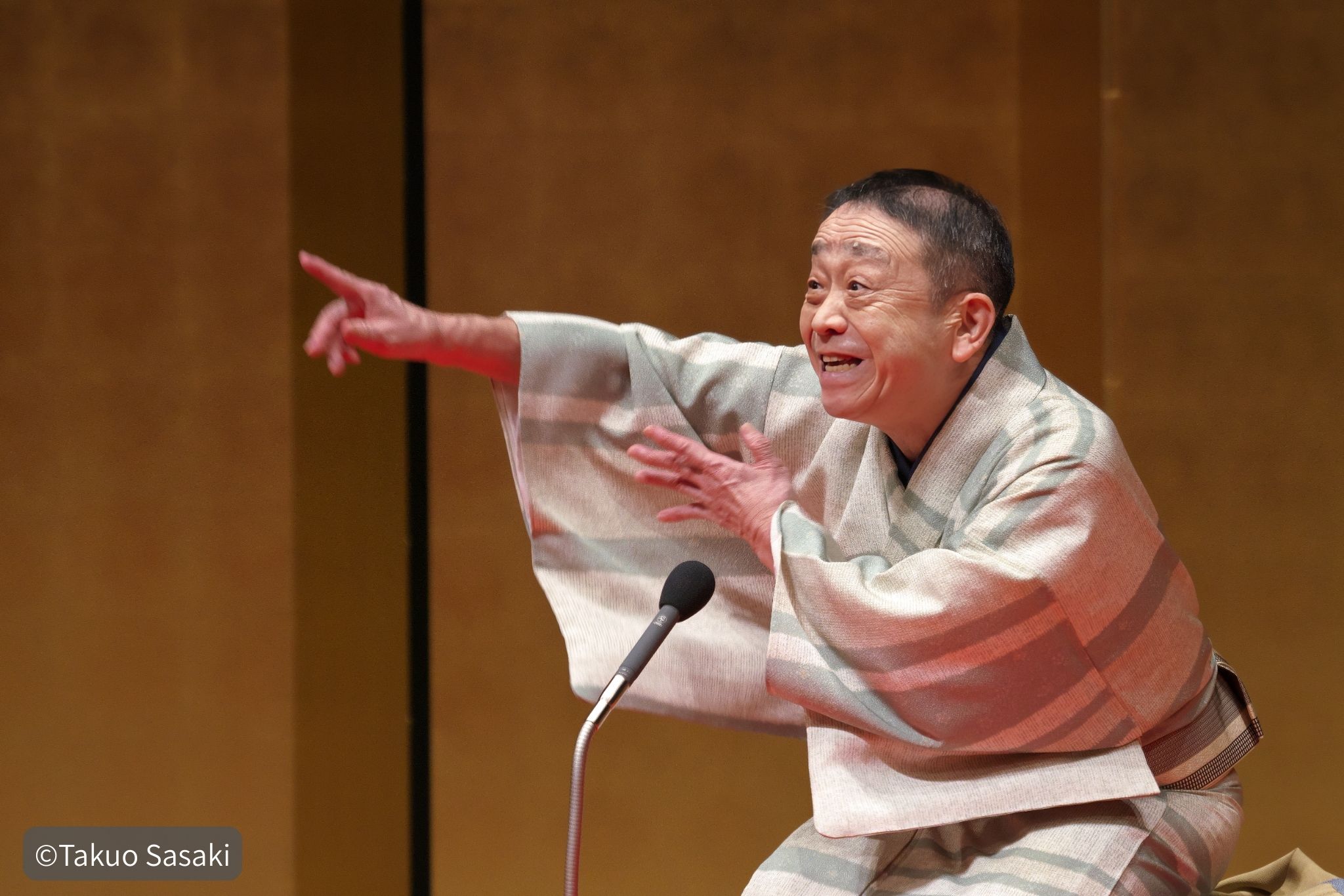
Rakugo is a traditional Japanese comic storytelling art dating back to the 1680s. It features a solo performer who plays the role of multiple characters, using skillful gestures and voice changes to present an engaging story. Stories vary widely in theme and length, lasting from around 10 minutes to over an hour.
Rakugo artists use a number of specific techniques and props to engage the audience in their story, eliciting laughter, introspection, and different emotions—including sadness or even fear.