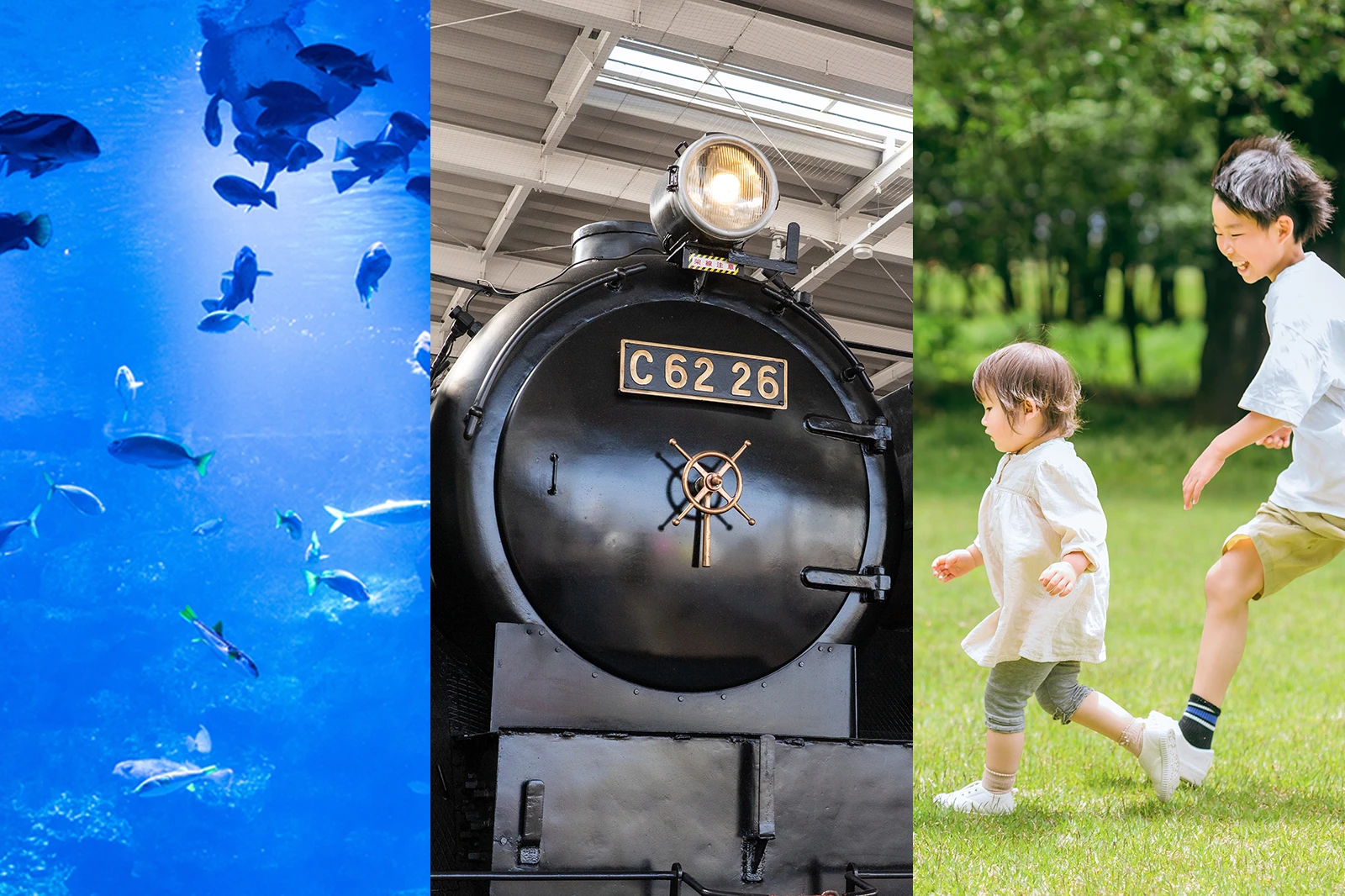
Spending time exploring gardens and historic temples is one of the great pleasures of visiting Kyoto. At the same time however, children sometimes gain a deeper understanding of the world through touching and experiencing it than through quiet observation.
This article introduces some special locations in this history-steeped city where children can touch, feel, and journey through time for themselves.
At Kyoto Railway Museum, visitors can feel the pulse of the modern age amid rows of powerful steam locomotives, while at Kyoto Aquarium they can observe the mysteries of life and the workings of nature. At AriHana Kyoto, they can experience traditional Japanese games while enjoying the local atmosphere of Kyoto, and at teamLab they can immerse themselves in a world of light shaped by cutting-edge technology.
These immersive experiences go far beyond simple sightseeing; they offer fresh discoveries for adults and a lifelong thrill for children.
Umekoji Park: A Fun-filled Day for the Family
Located within walking distance from Kyoto Station, Umekoji Park is the perfect place for a family outing. Boasting vast lawns, it is situated right next to both Kyoto Railway Station and Kyoto Aquarium, making it easy to enjoy a full day of fun without worrying about traveling between locations.
Museo del Ferrocarril de Kioto
One of the largest railway museums in Japan, Kyoto Railway Museum offers more than just exhibits. Step inside, and you enter a breathtaking world where the trains that have supported Japan’s development as a country, from steam locomotives to Shinkansen bullet trains, are all gathered together in one place.
Highlights include the “SL Steam” experience, where a real steam locomotive emits powerful puffs of smoke as it carries passengers forward, and a simulator that lets visitors experience what it’s like to be a train driver. The museum offers a range of attractions that will captivate children.
Kyoto Railway Museum also offers a multilingual guide that you can access from your smartphone—be sure to use it with your children when you visit.
How to use multilingual guide services using QR code on your mobile devices
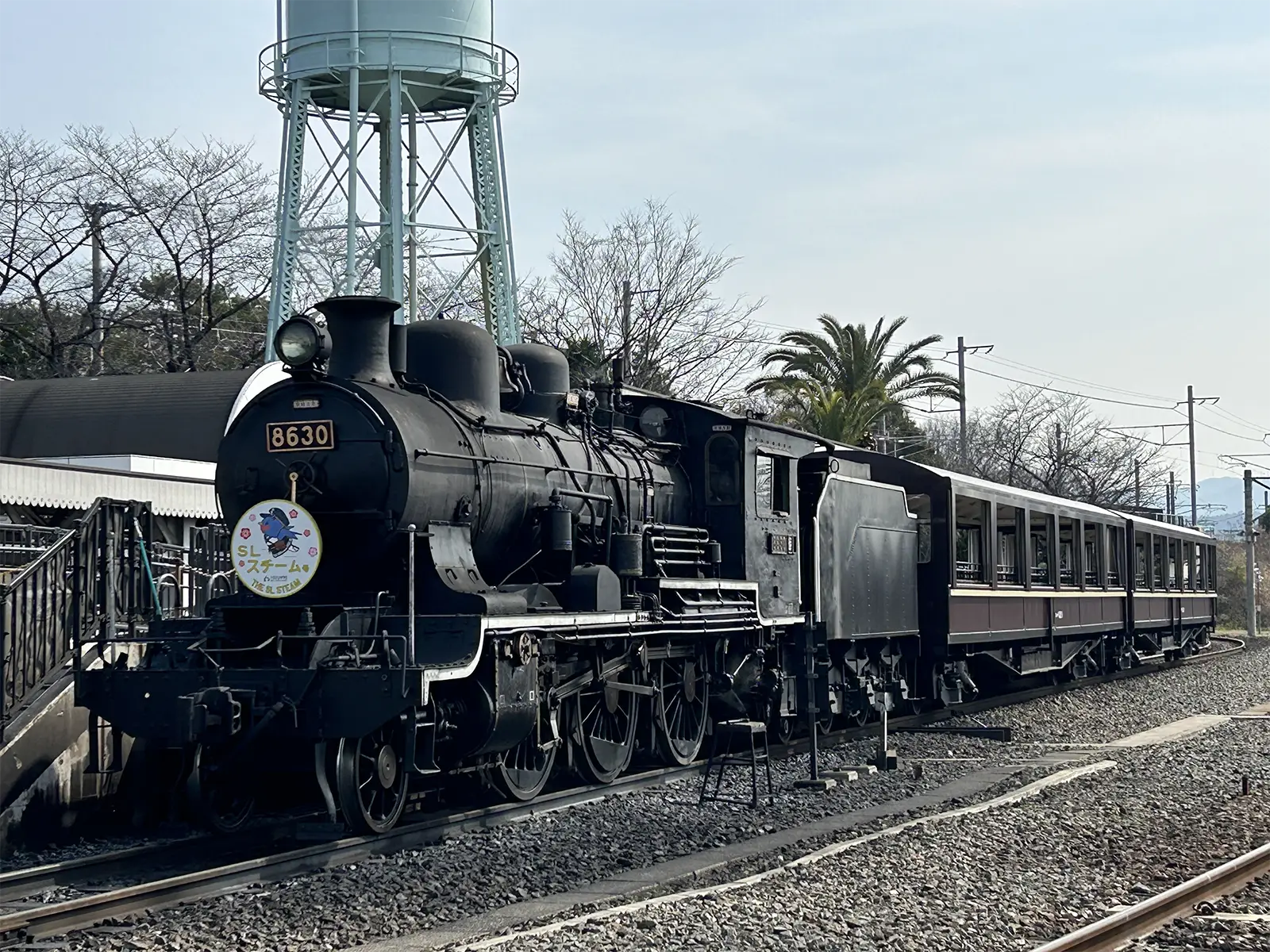
Photo: Kyoto Railway Museum
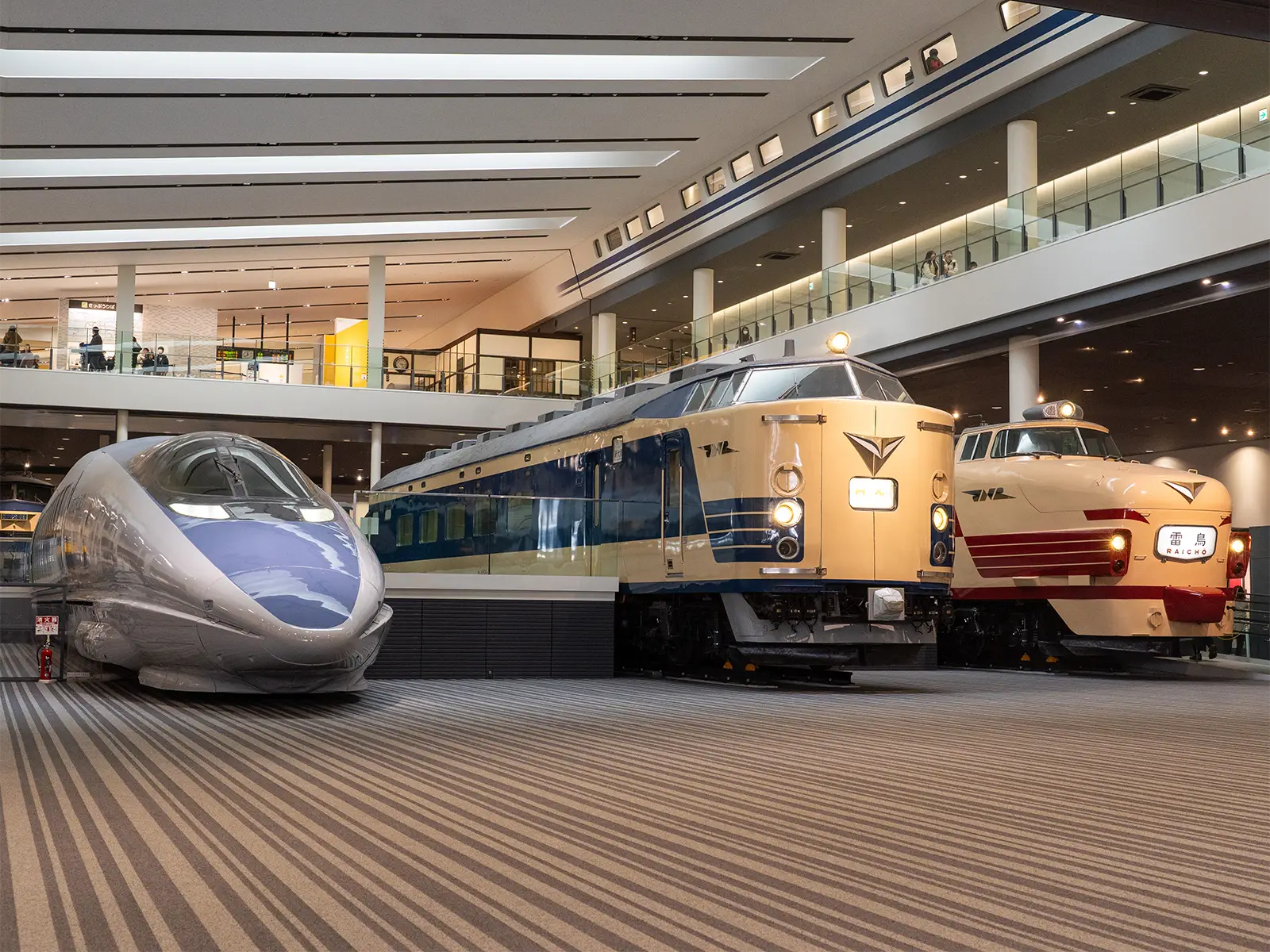
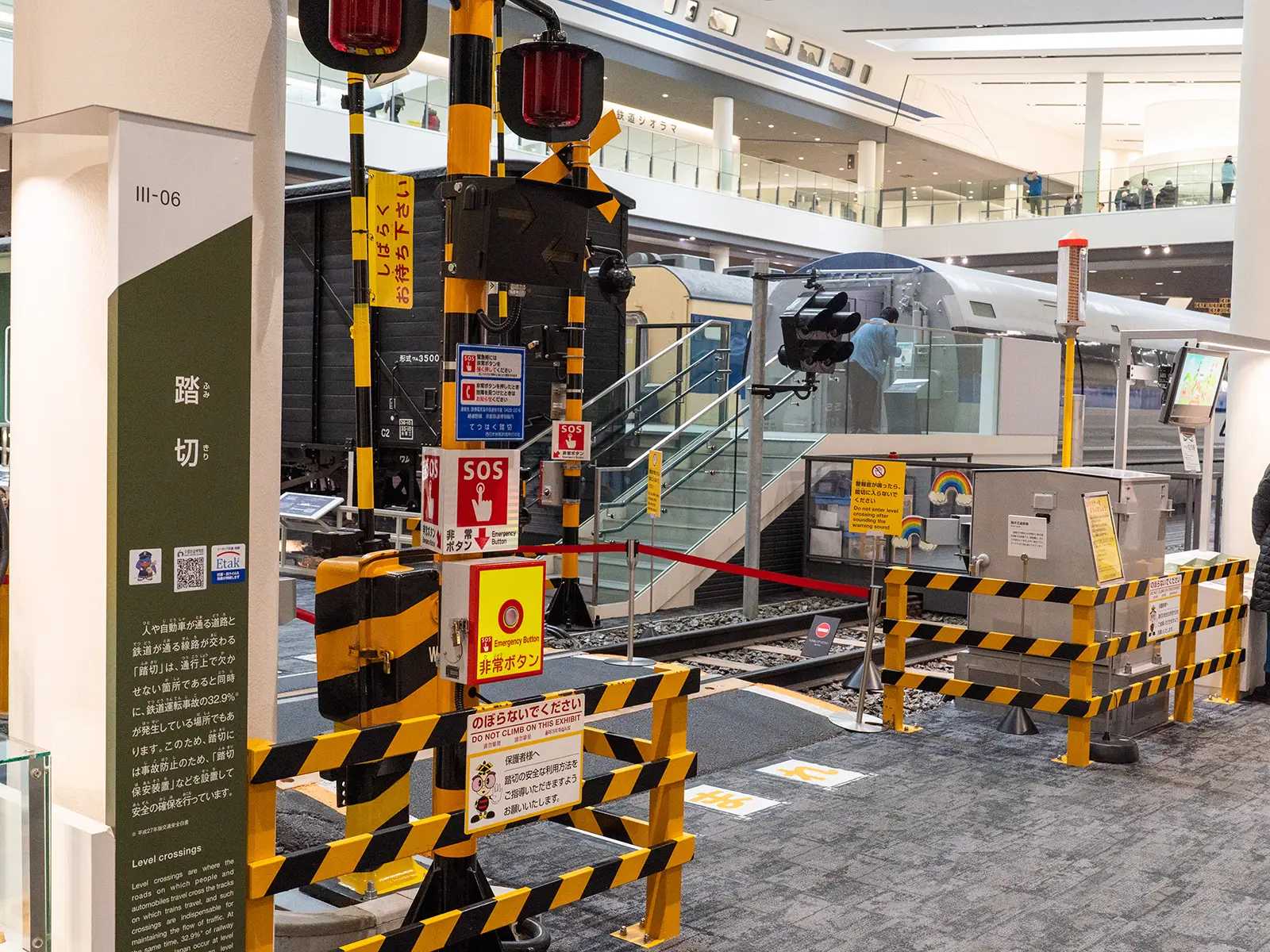
Twelve train cars are on display on the first floor of the spacious main building, making a truly impressive sight. There are also displays of a railway crossing and a train driver’s cab, as well as an area where visitors can learn how trains work.
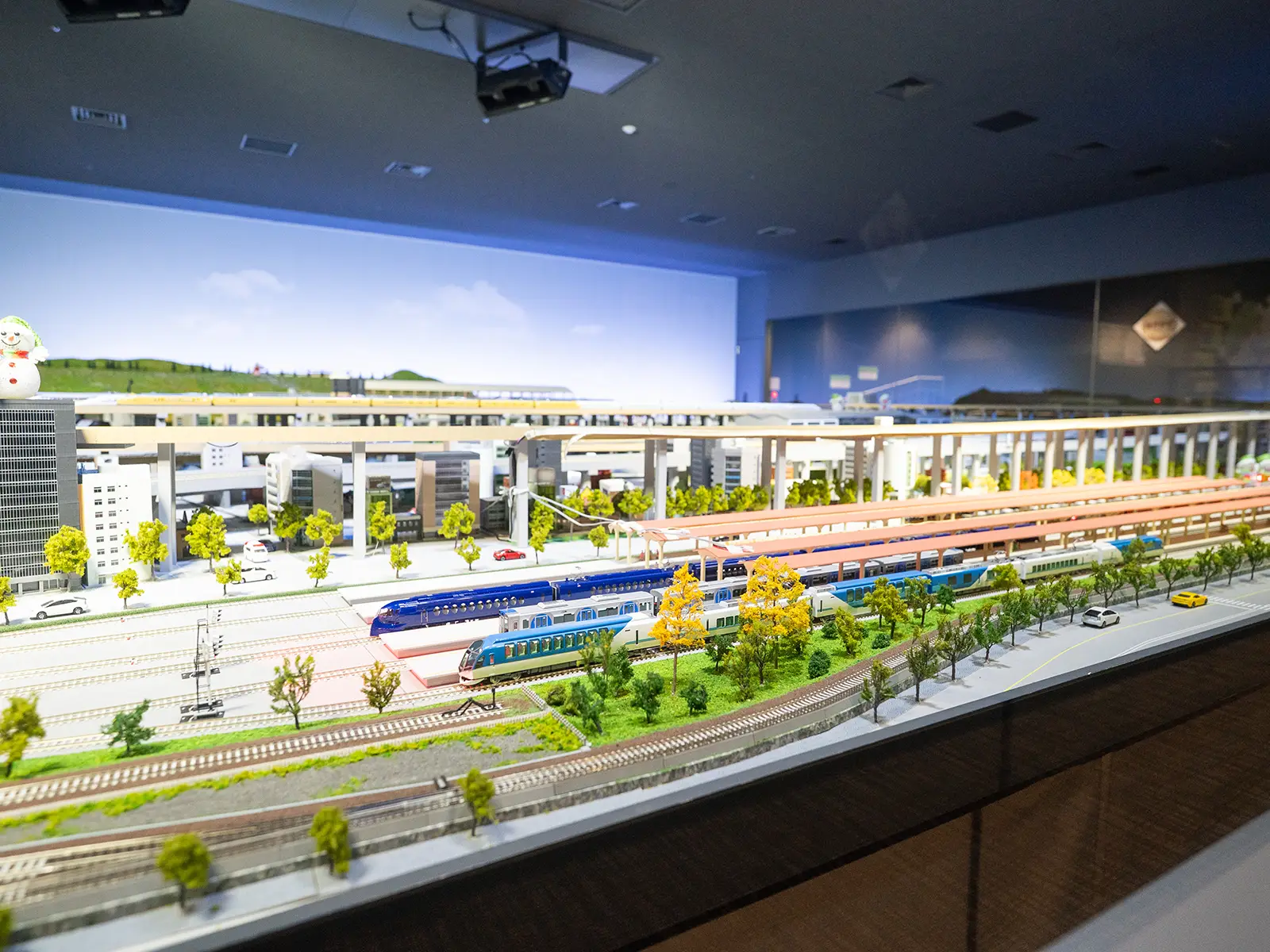
On the second floor, you’ll find a giant rail diorama through which runs a variety of model trains, all meticulously recreated at 1/80 scale. This diorama is hugely popular with children and adults alike.
Because the trains and scenery change depending on where you stand, the diorama is something you can enjoy watching for a long time. There are around six shows each day, with staff on hand to recreate the lighting conditions for an entire day—from morning to night—with lighting effects as they operate the trains and provide commentary.
What makes it particularly enjoyable is the sheer size of the diorama and the wide variety of trains. Be sure to find your favorite viewing spot.
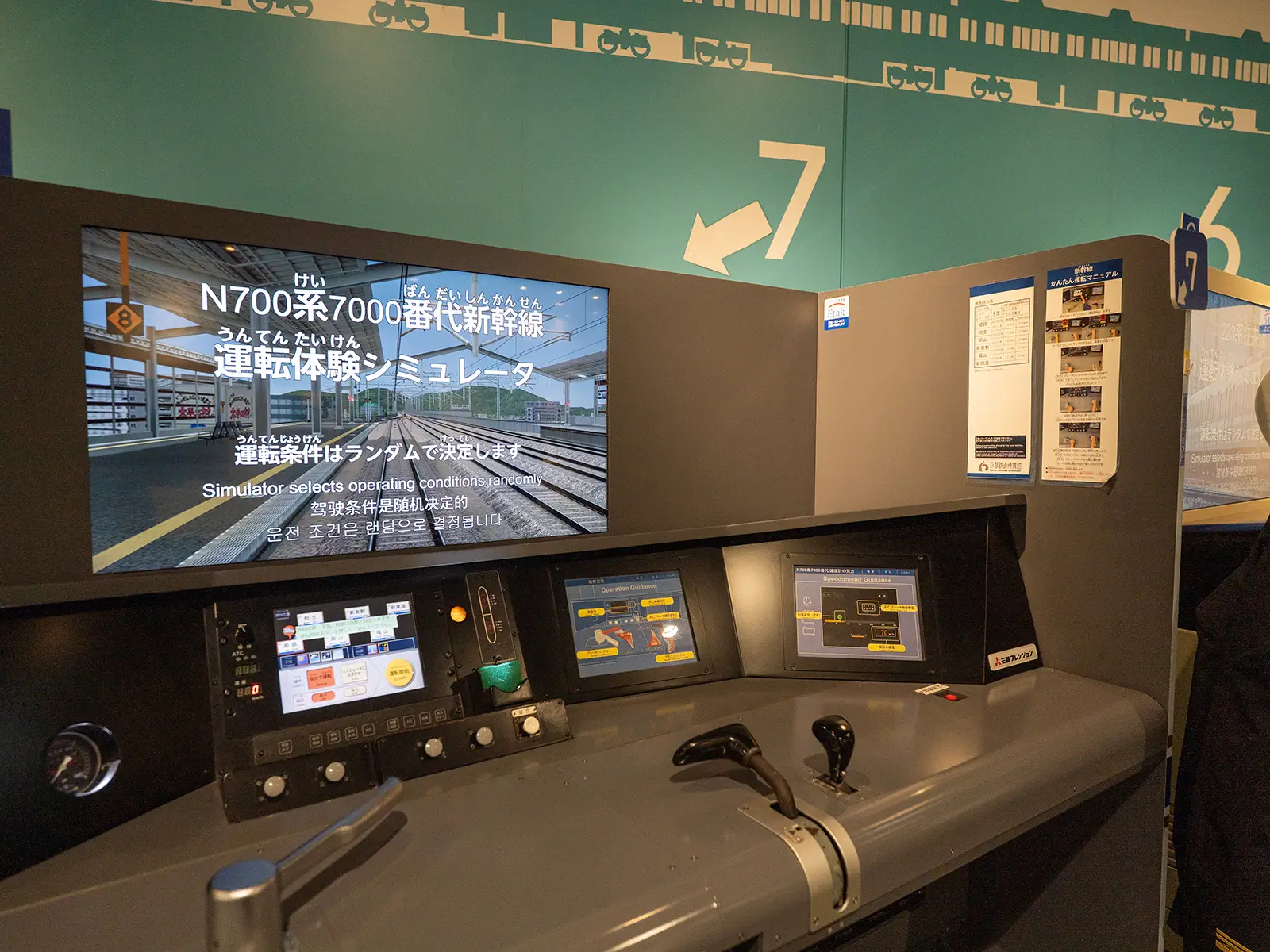
One of the most popular experiences at the museum is the driving simulator, located on the same floor as the diorama. Visitors can experience operating a train in a simulator based on the actual machines used for driver training.
You can try on a driver’s uniform when you operate the simulator, giving you the feeling of being a real train driver.
Tickets for this experience must be purchased in advance. See below for details.
Driving Simulator Tickets (English)
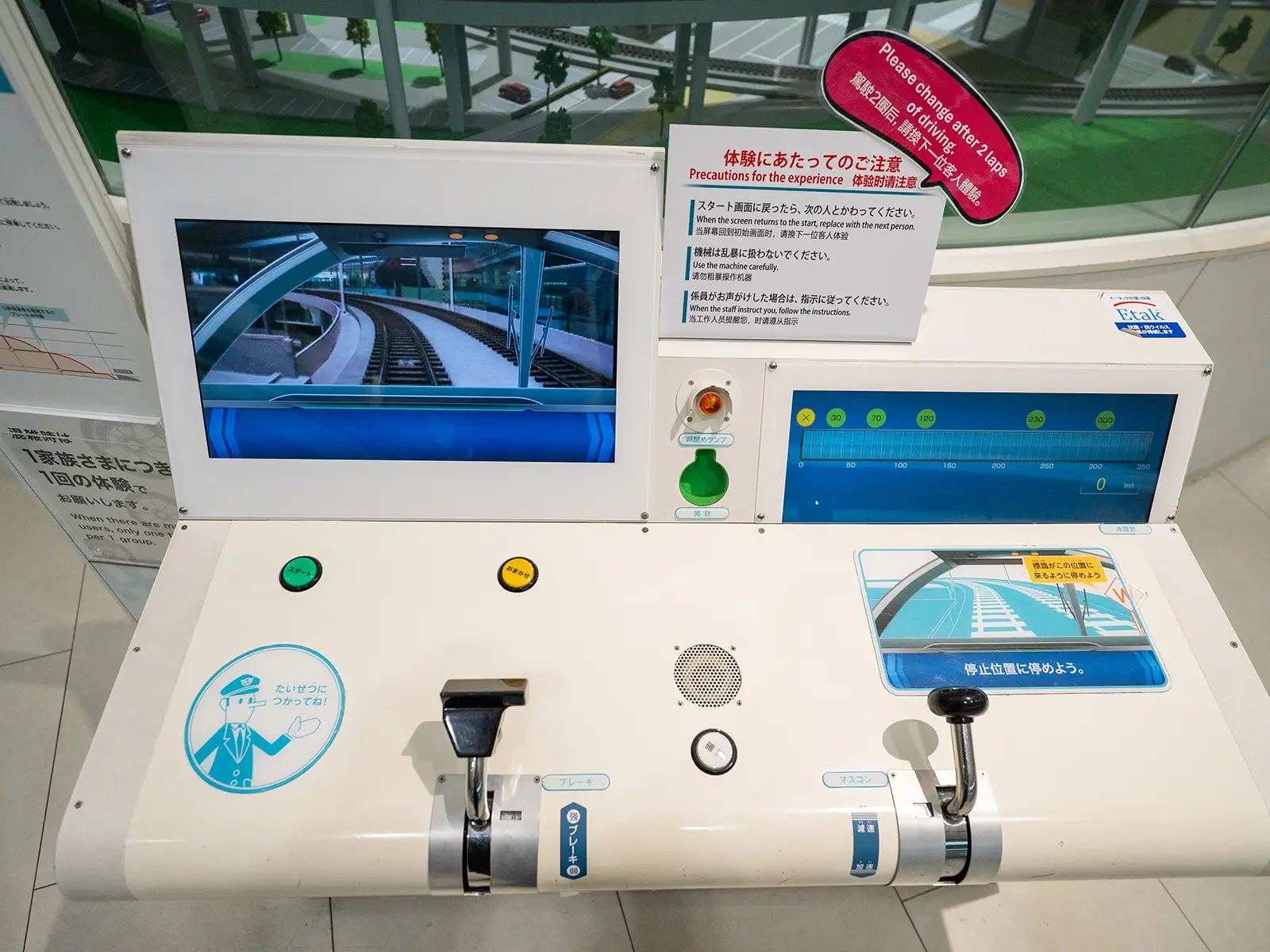
There is also an area where you can try driving using scale models and learn about systems such as the ATS (Automatic Train Stop) and ATC (Automatic Train Control), which keep railroads safe.
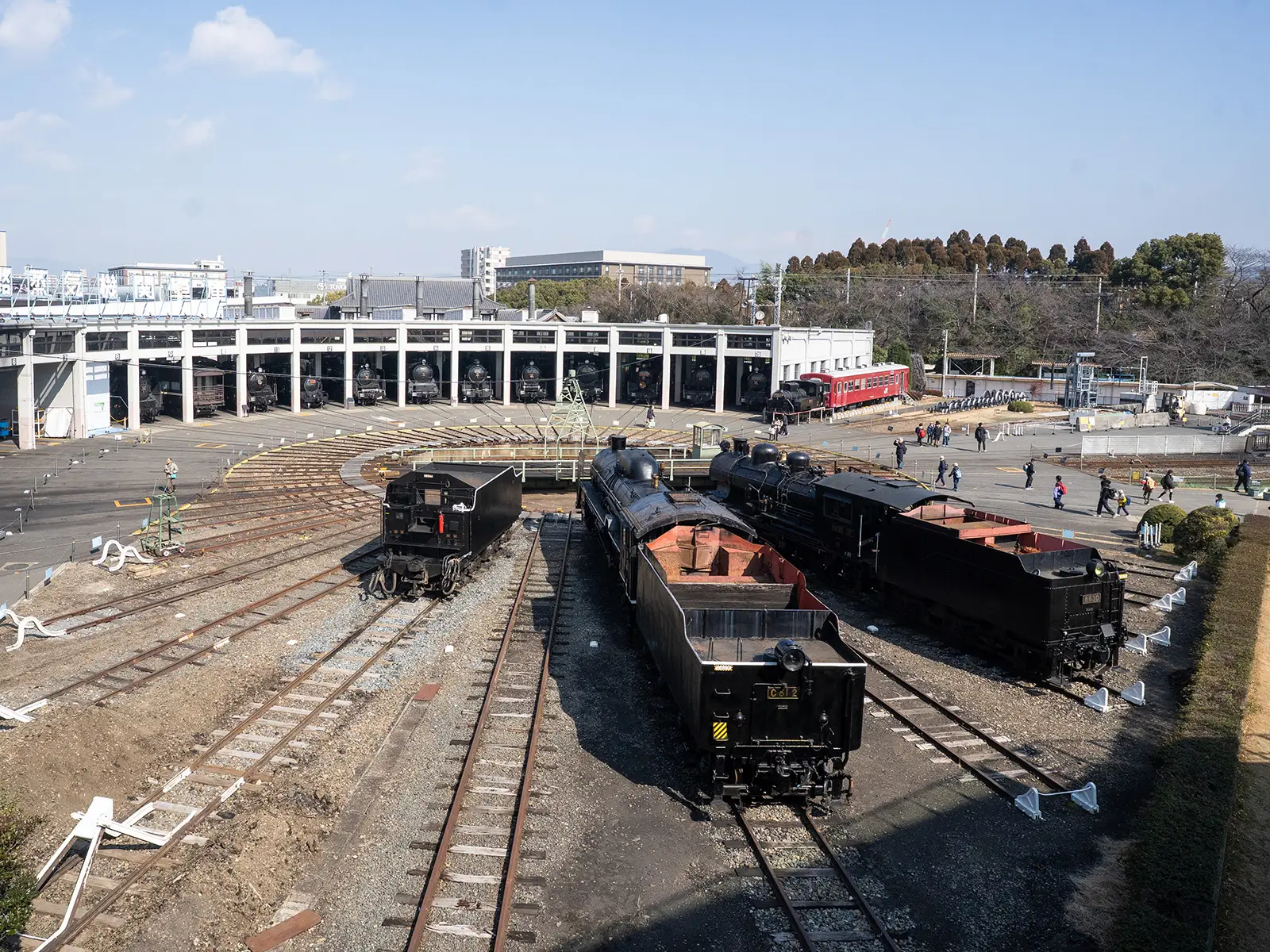
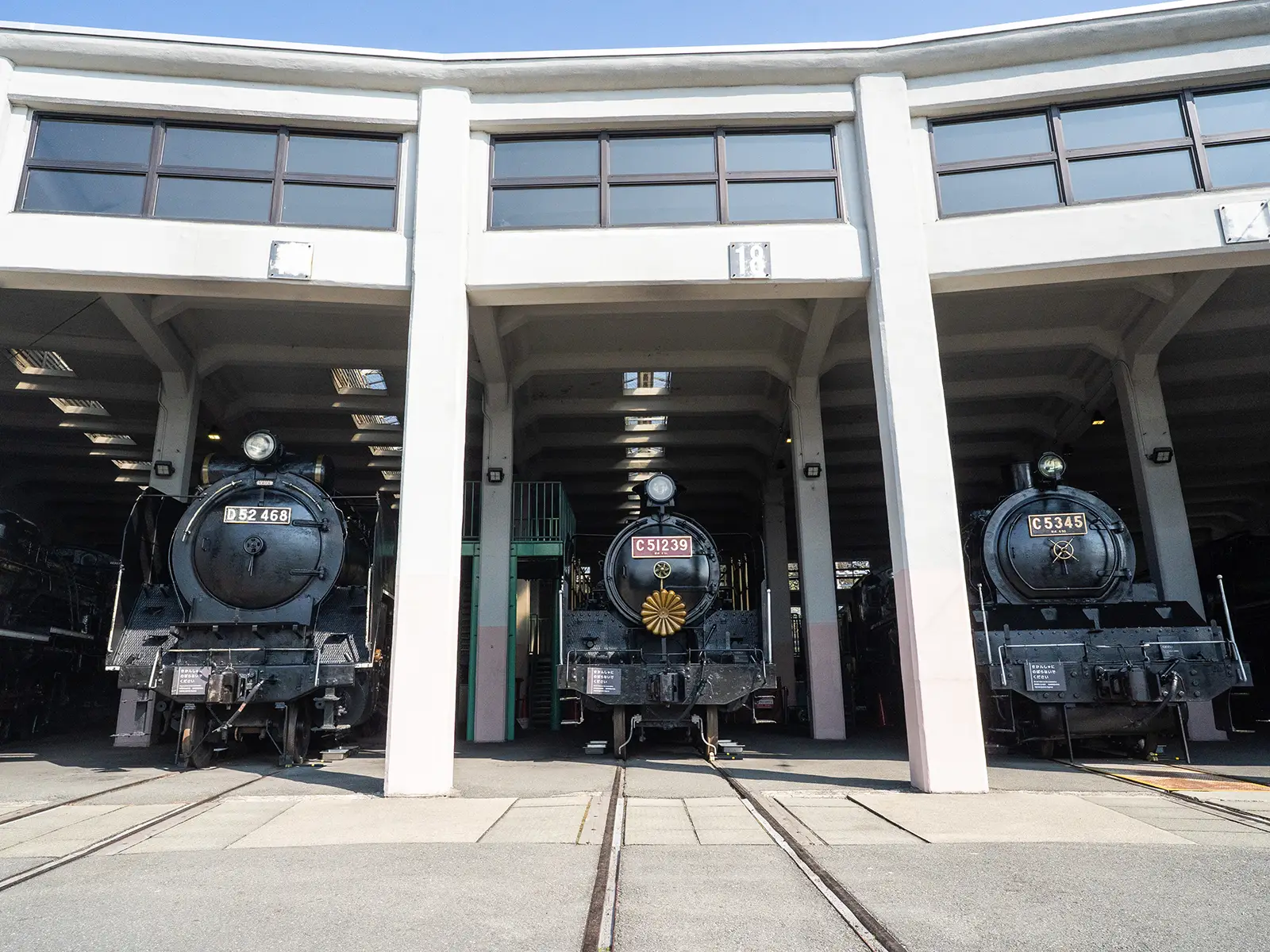
While the indoor exhibits and driving experiences are enjoyable on their own, even more impressive sights await outdoors. Here, you can see a large roundhouse, a turntable, and real steam locomotives in operation. The roundhouse remains as it was when it was built in 1914 and has a truly historic feel to it that you can experience firsthand.
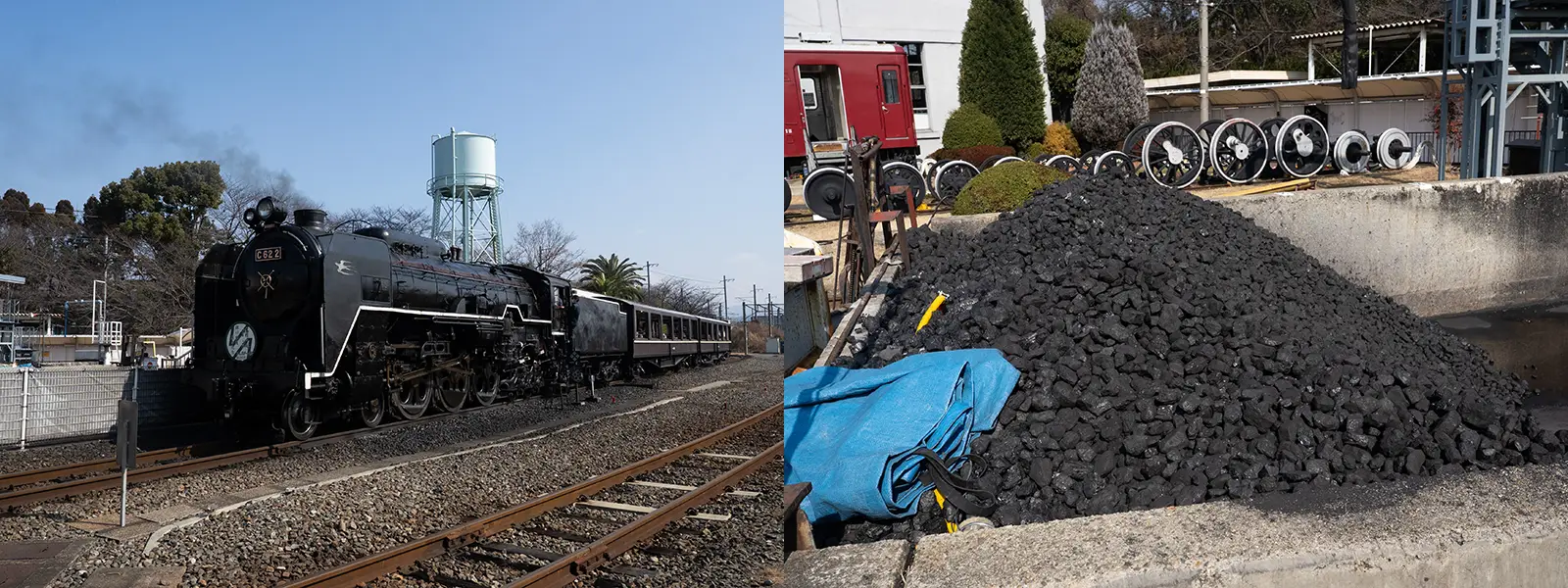
The sheer power of the steam locomotives—solid masses of iron that run on coal and water alone—offers a striking contrast to modern electric trains and is sure to pique the interest of many children.
The roundhouse is still used as a depot for steam locomotives, and you can watch the SL Steam locomotive use the turntable to return to it after its last run each day.
Please check the official website for the schedule.
The main highlight of Kyoto Railway Museum is a ride on SL Steam, an actual coal-fired steam train. This steam locomotive makes one-kilometer round trips that let you experience the overwhelming power of iron in motion through its sound, smell, and vibration.
| Acceso |
|
Acuario de Kioto
Surrounded by the lush greenery of Umekoji Park, Kyoto Aquarium is the first aquarium in Japan to use completely artificial seawater. Here, visitors can experience not only marine life, but also the ecosystems of Kyoto’s rivers and rural landscapes up close.
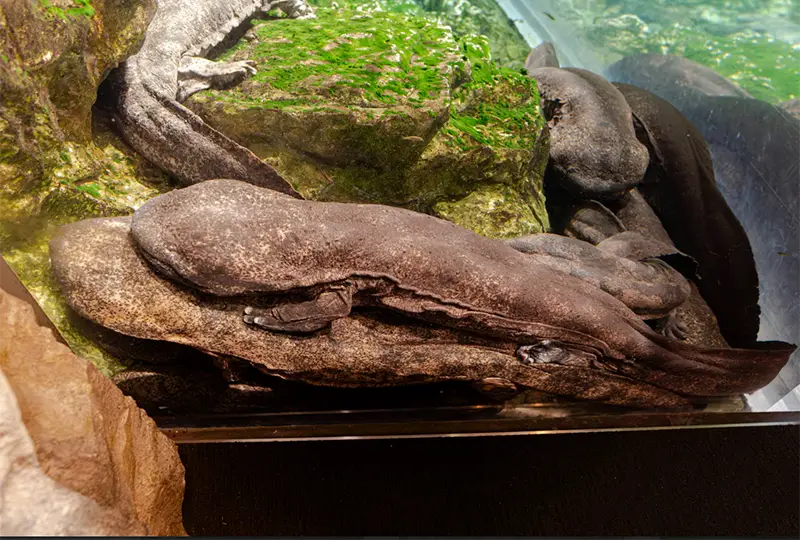
The first creatures to greet visitors inside are the giant salamanders, whose size and distinctive appearance never fail to surprise.
Giant salamanders are often referred to as “living fossils.” The native species has been designated a Special Natural Monument of Japan and is considered extremely precious.
Their lifespan remains unknown, though it is said to be comparable to that of humans. How and where have they lived in Kyoto for so long, and what have they eaten? One of the main attractions of Kyoto Aquarium is the opportunity to learn about the giant salamander as well as other marine and river creatures while exploring the answers to these questions.
In addition to the native Japanese giant salamander, the aquarium also keeps Chinese giant salamanders as well as hybrid individuals resulting from crossbreeding of the two. Visitors can learn about the ecosystems of Kyoto’s rivers.
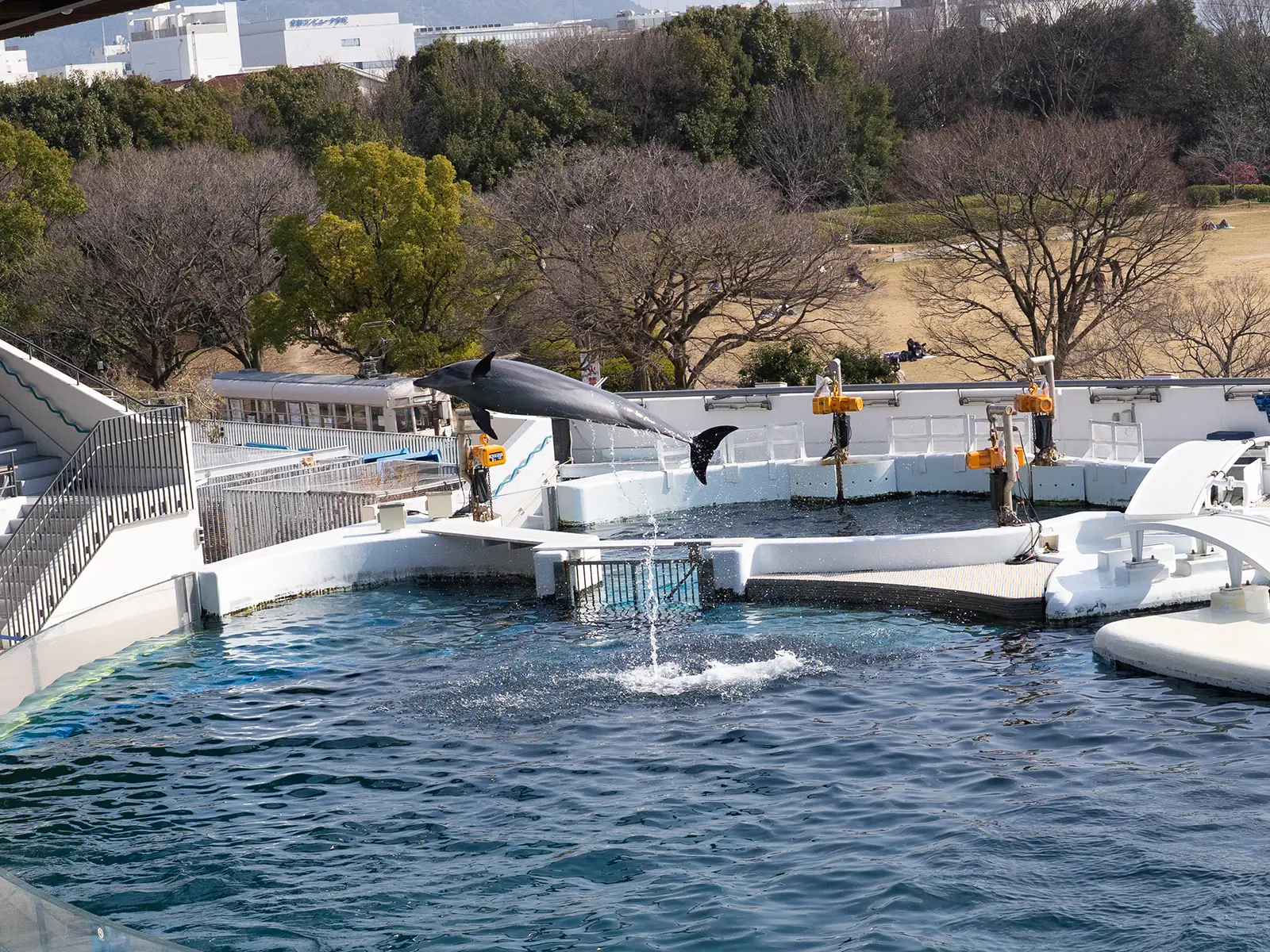
The Kyoto Aquarium goes beyond simply displaying marine and freshwater life, emphasizing the importance of helping visitors to deepen their understanding of animals through active engagement such as observing and learning.
Additionally, the aquarium holds many time-limited events such as special exhibits and quizzes. During “Meal Time” you can also see staff interacting with the animals and checking their health.
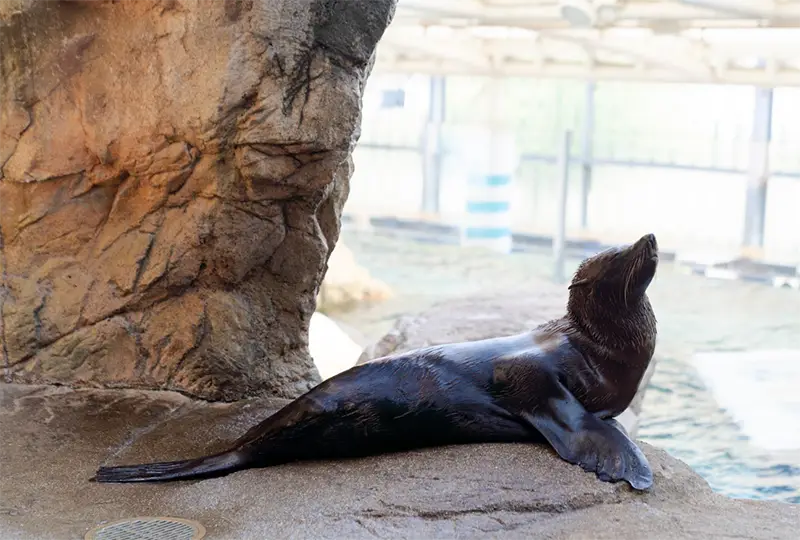
Kyoto Aquarium is not designed as a theme park-style attraction. Instead, it incorporates many features that naturally stimulate visitors’ interest in living creatures. As an aquarium in a city without any access to the sea, it circulates artificial seawater.
This approach cuts down on the carbon dioxide emissions associated with transporting actual seawater, reflecting a commitment to protecting the global environment. Visitors are encouraged to take note of the efforts being made to protect wildlife and the planet.

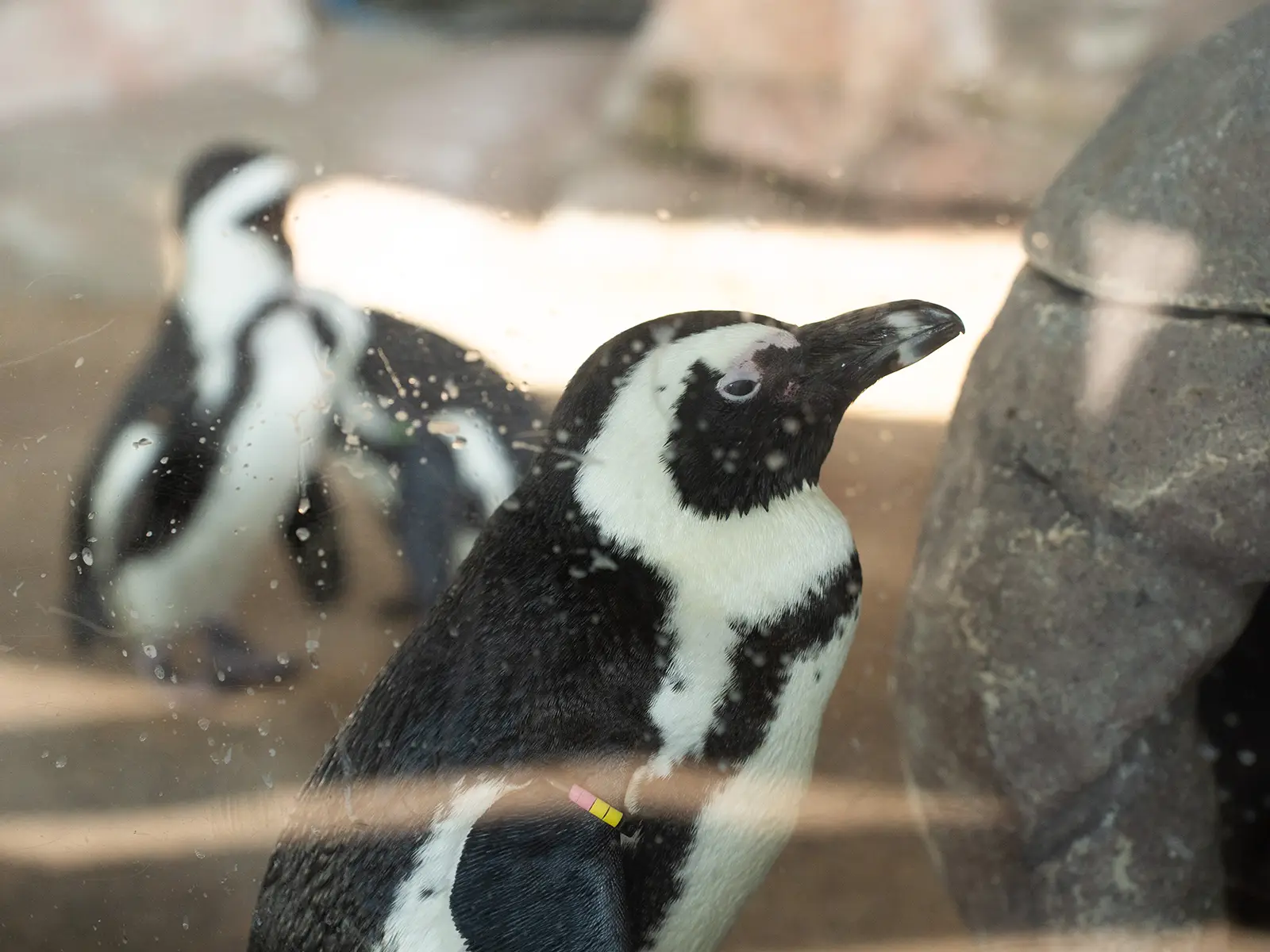
Kyoto Aquarium is home to a group of charming Cape penguins whose appeal goes far beyond their adorable appearance.
Be sure to check out the “Kyoto Penguin Relationship Chart” displayed in the aquarium, which offers a vivid depiction of the surprisingly human-like dramas of penguin society, charting the complex romantic relationships and friendships among the penguins.
What’s more, by checking the colored bands attached to their wings, you can identify each penguin by name. Comparing the relationship chart with the penguins right in front of you—and joining in the penguin gossip—is one of the unique pleasures of this aquarium.
The 2026 penguin relationship chart (English)
Computerized penguin individual identification computer system: Pentagon (Japanese)
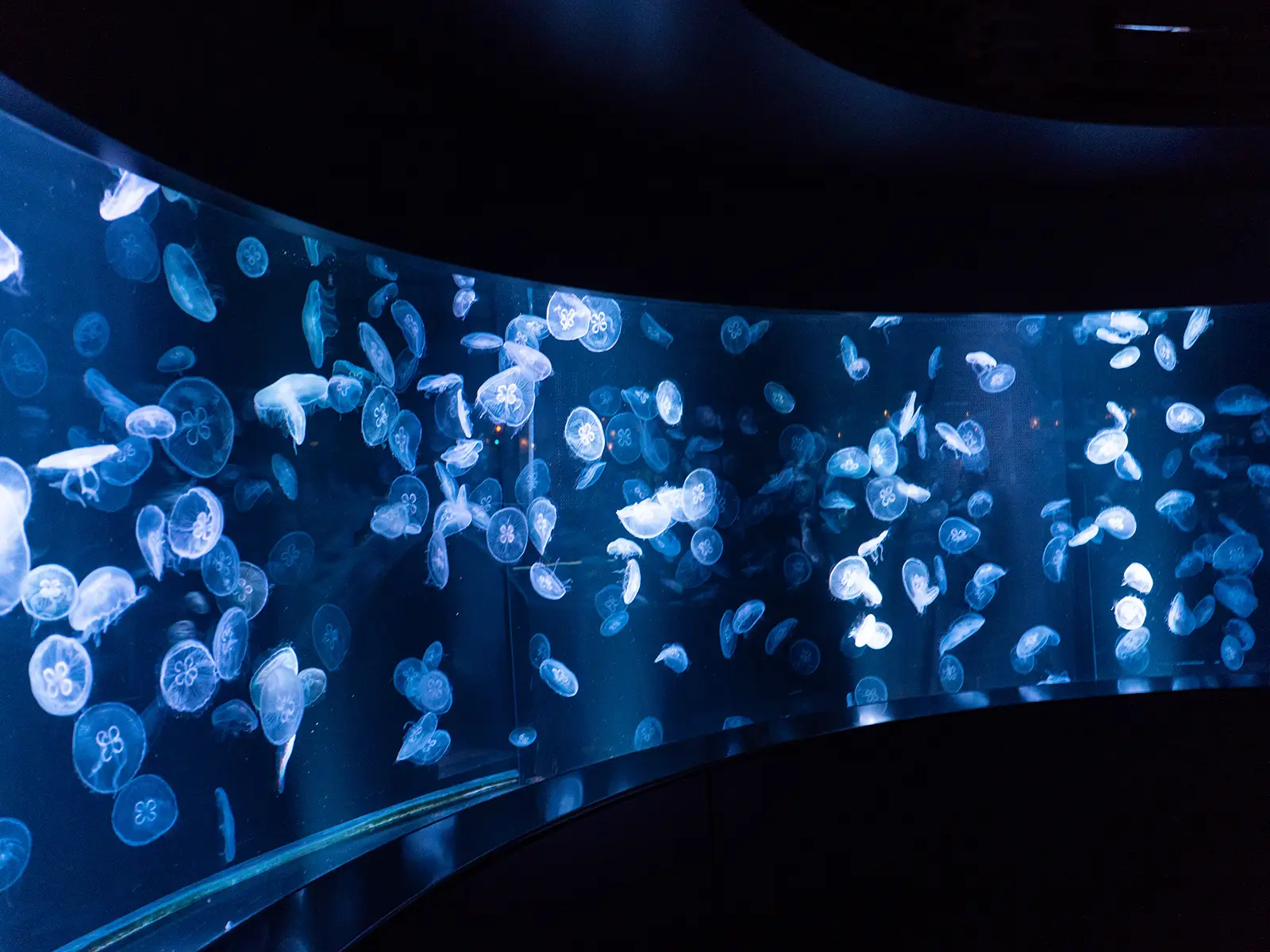
Kurage Wonder features the “GURURI” 360-degree panoramic tank that envelops the visitor in a dreamlike world, an immersive experience that feels like drifting through the ocean. However, the real discovery here lies beyond its beauty.
Within the Kurage Wonder area you can observe the process of life from close up as newborn jellyfish grow. At the Kyoto Jellyfish Research Department, visitors can also watch the staff’s daily care routines, such as feeding the jellyfish and cleaning the tanks.
The biggest draw of the aquarium lies in its ability to go beyond simple displays, allowing visitors to experience the everyday lives of the animals close at hand. It reflects a deep respect for life—one in which people are able to learn from the natural behaviors of these animals—a message that is sure to resonate with children in a way that transcends the bounds of language.
Step outside the aquarium building and you’ll find the “Kyoto Satoyama” area, which recreates a traditional Kyoto rural landscape. In winter you will find fruit and vegetables growing in the field, and in summer, a lush rice paddy along with the flora and fauna that gather there. Here in this place, where the scenery changes with the seasons, you can experience the gentle charm of the Kyoto countryside.
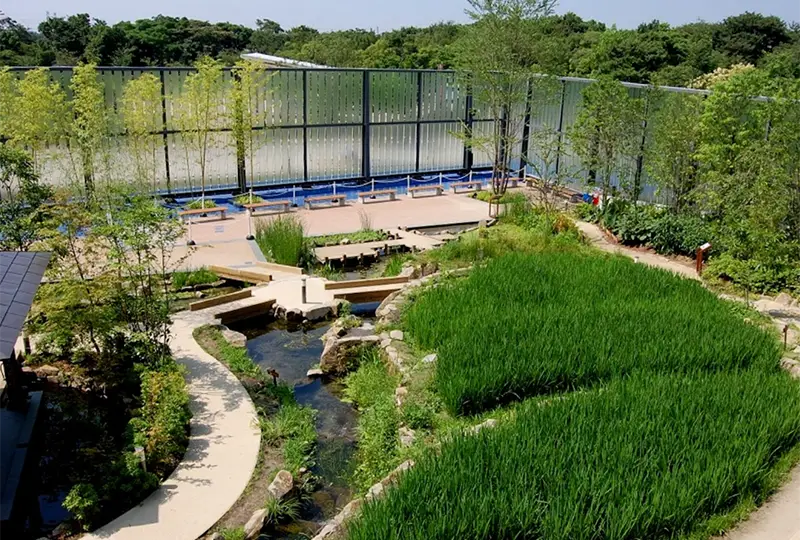
| Acceso | Approximately 13 minutes’ walk from Kyoto Station |
Parque Umekoji
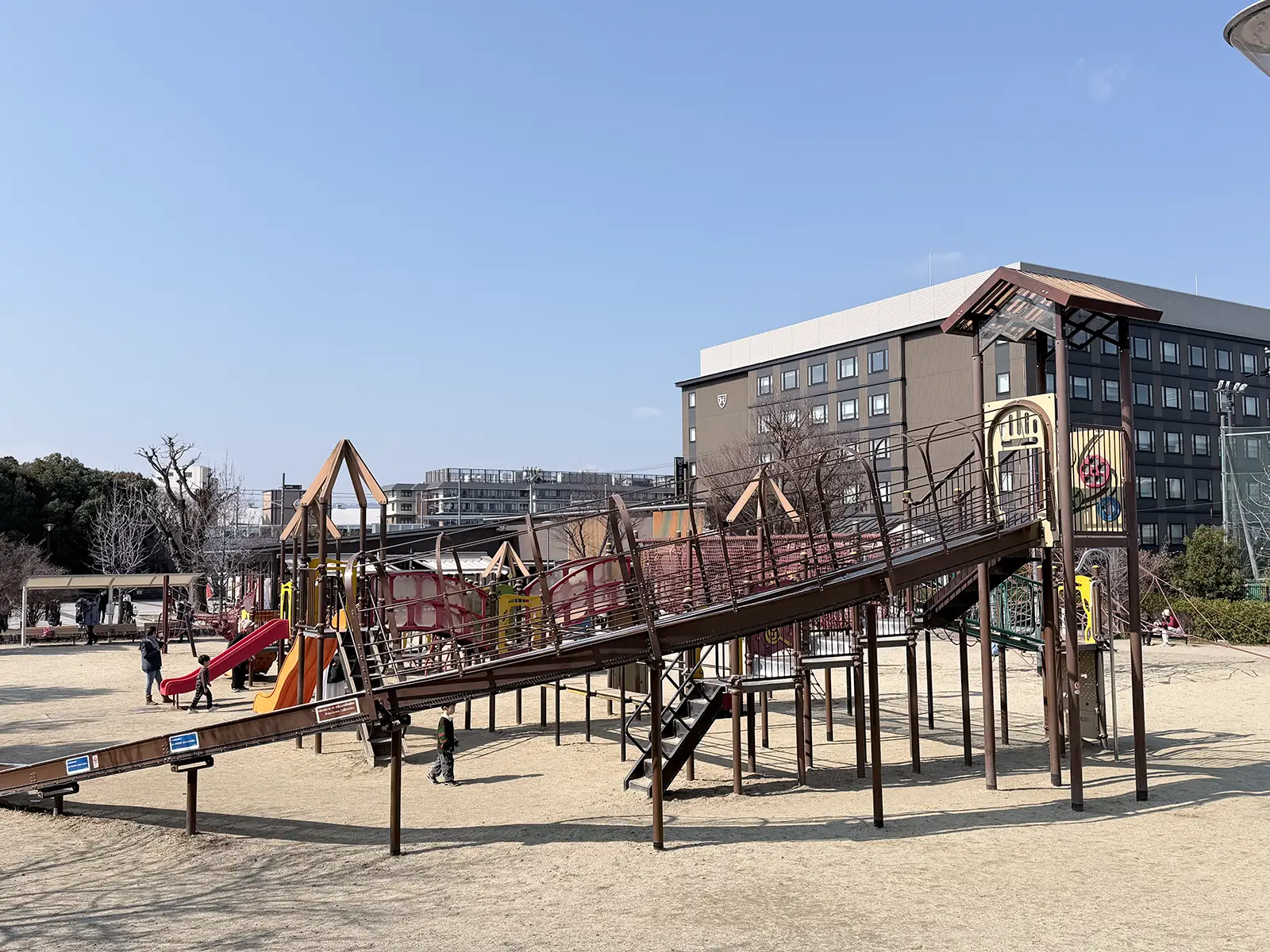
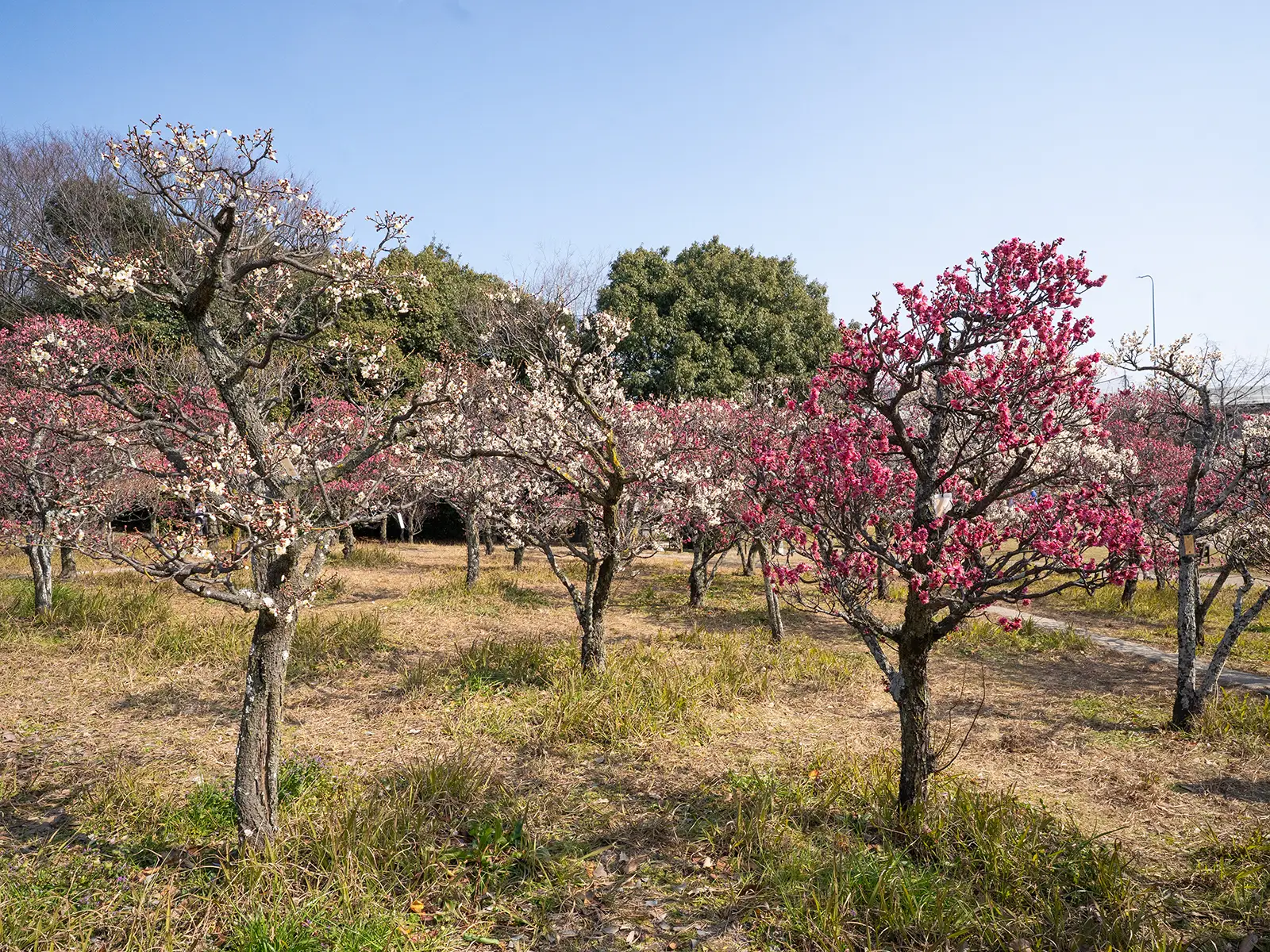
Between the Kyoto Railway Museum and the Kyoto Aquarium there is a vast lawn where you can relax at your leisure. You can enjoy a picnic, play on the playground equipment, or, in February, take in the sight of plum blossoms in full bloom.
Experience Traditional Japanese Games
AriHana Kyoto
A small house hidden away in a Kyoto alley near Kiyomizu-dera Temple in the Higashiyama area, “AriHana Kyoto” offers visitors the chance to try traditional Japanese games. Welcomed by the owner’s warm hospitality, you can relax and unwind from your travels while enjoying a unique cultural experience.
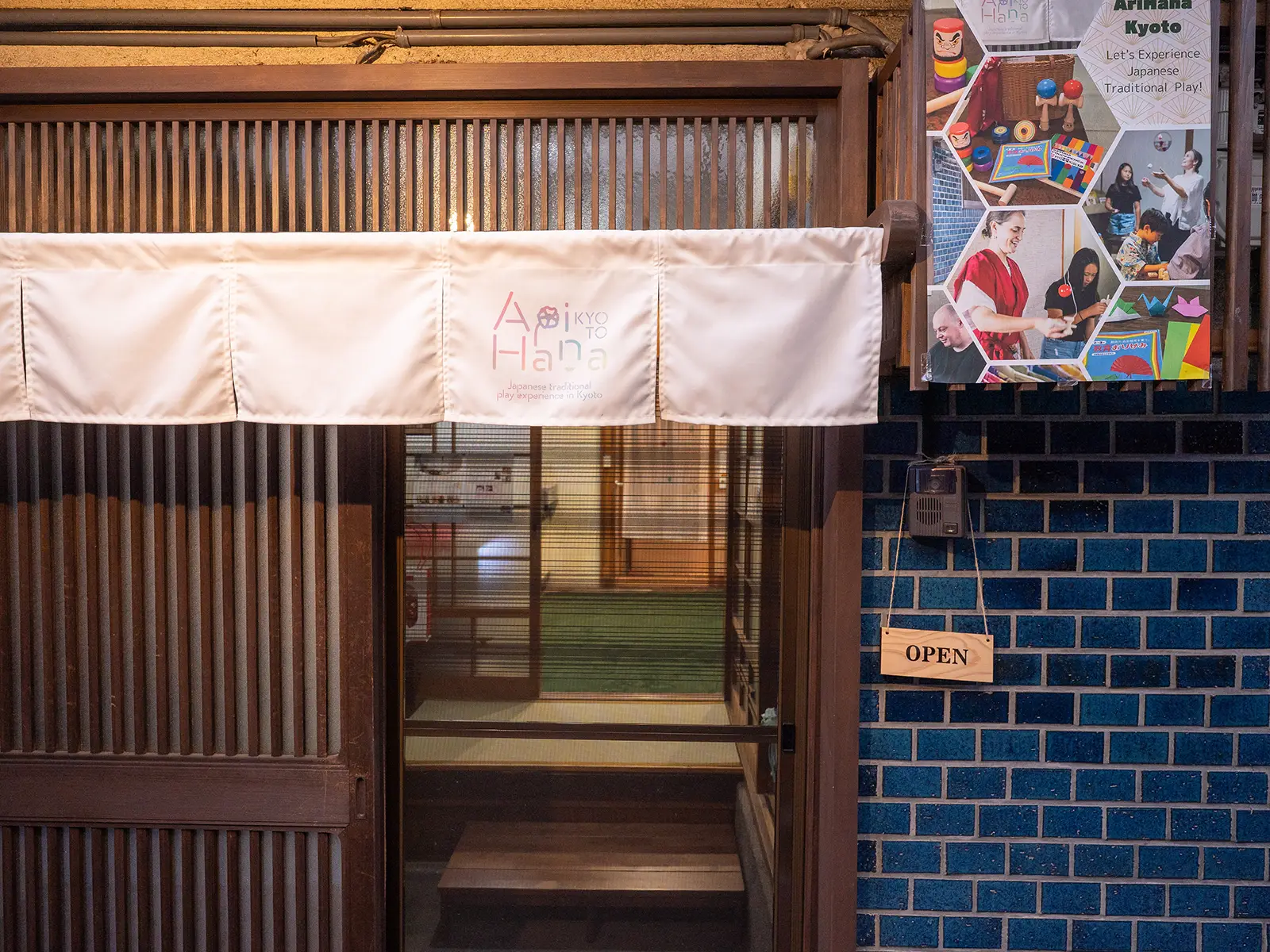
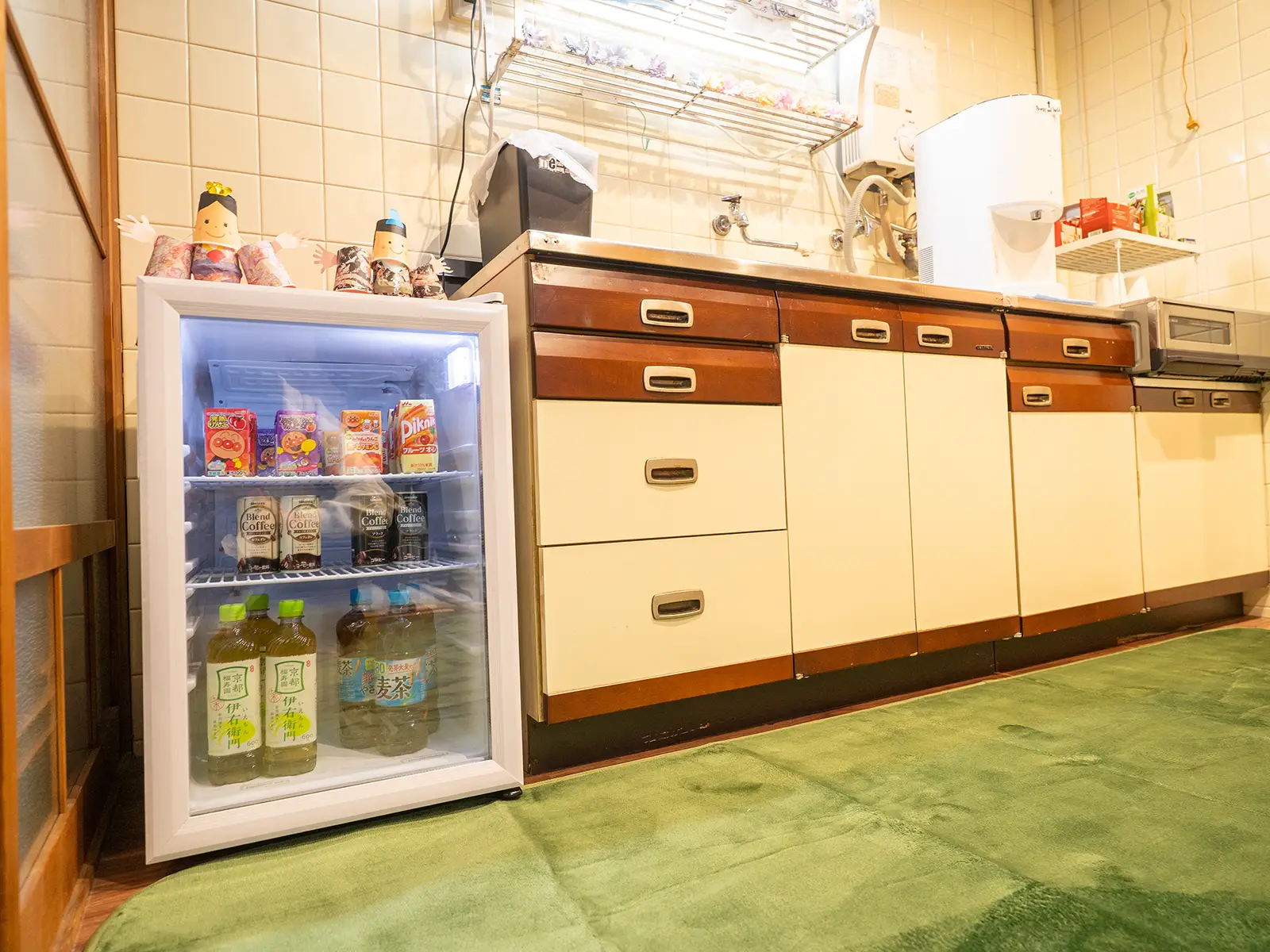
At AriHana Kyoto you can relax in tatami rooms while enjoying a range of games and amusements that once captivated Japanese children, including kendama, origami, daruma-otoshi (a game in which you try to knock out the bottom-most of a stack of blocks without toppling the doll over), and spinning tops.
In contrast to digital games, these activities—made from wood and paper and requiring delicate fingertip control—offer a sense of warmth and tactility, providing modern children with fresh and surprising discoveries.
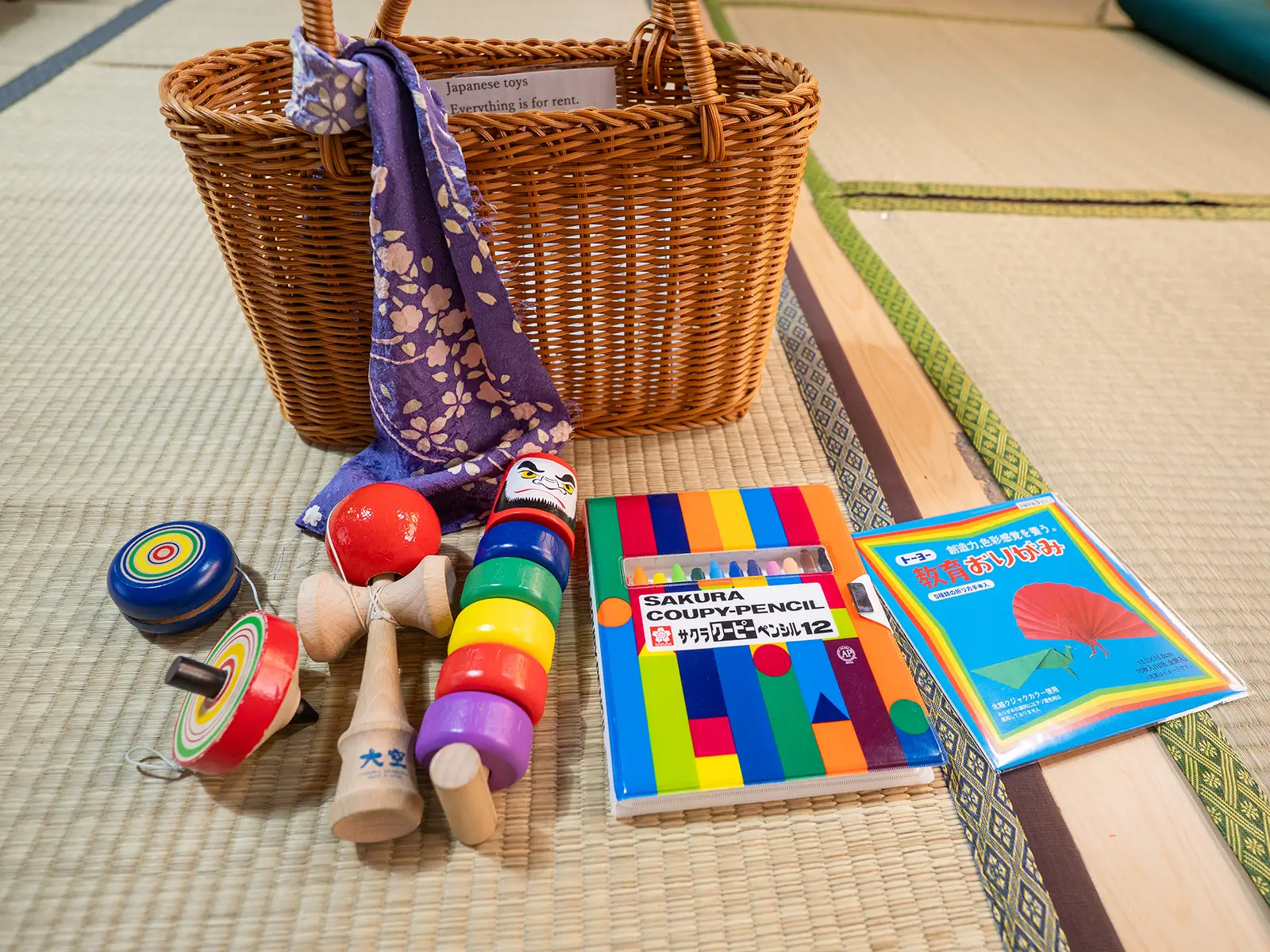
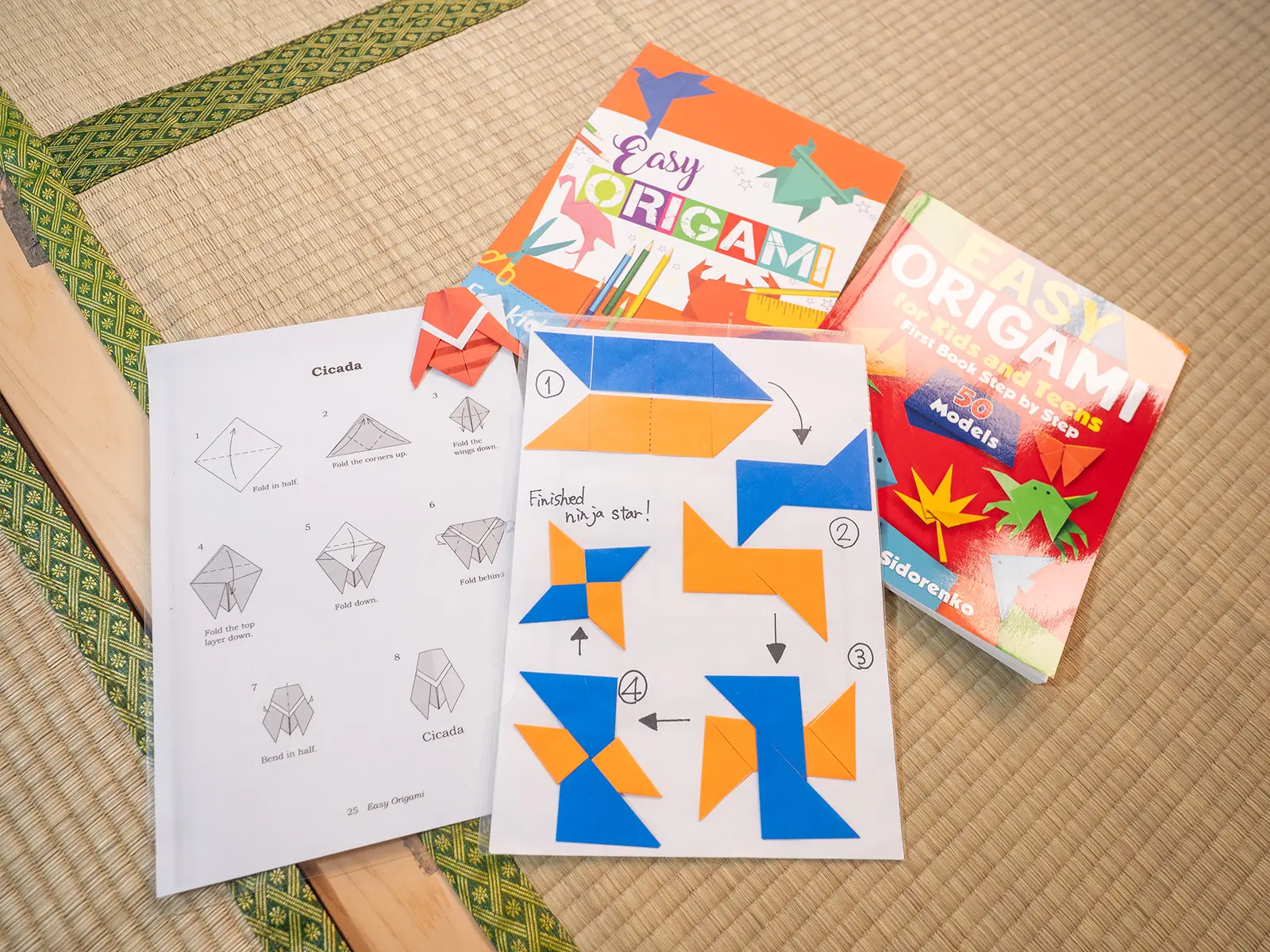
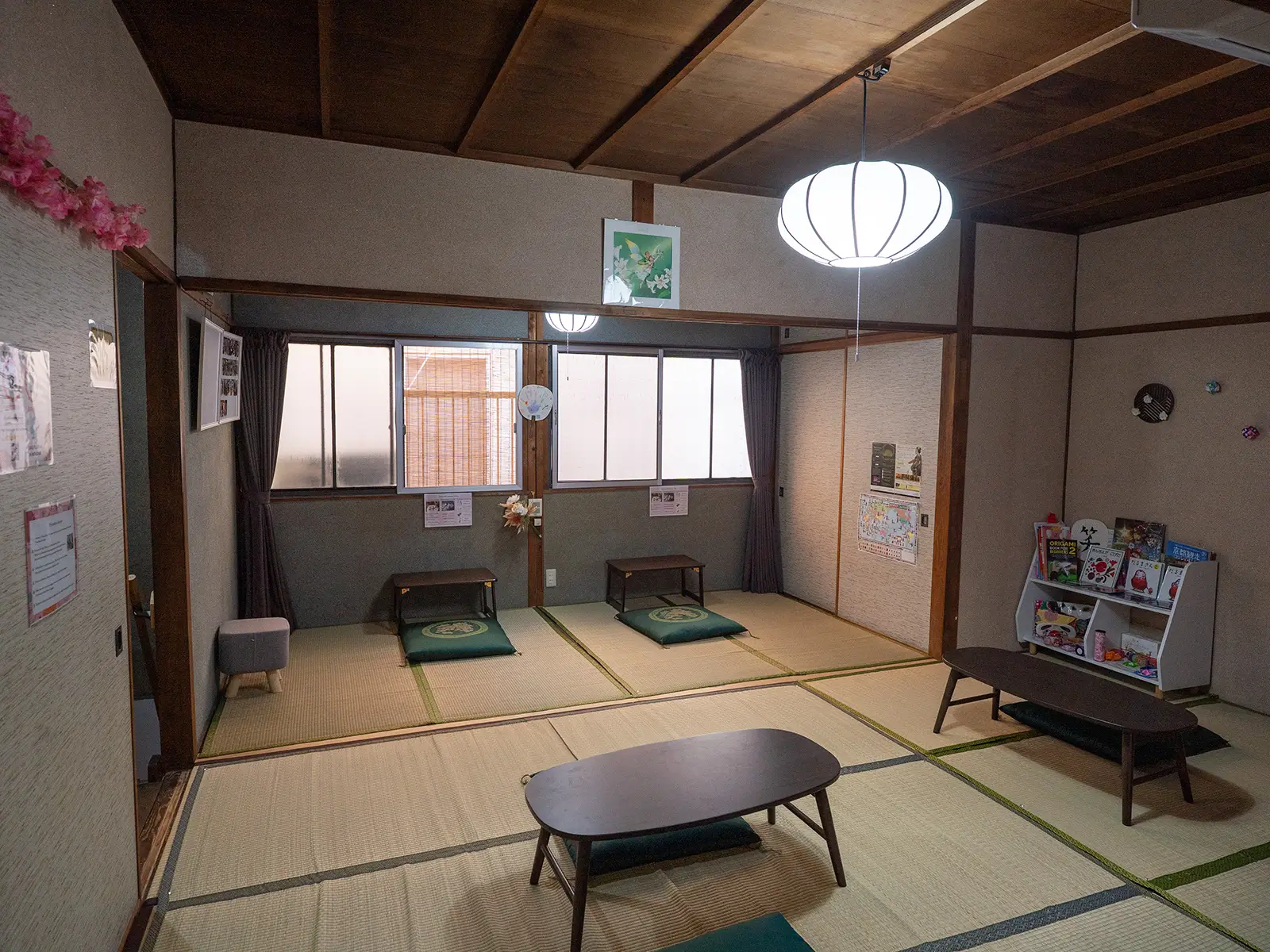
This facility was created with the concept of giving children visiting Kyoto the opportunity to create lasting memories through traditional Japanese games, while also providing a place to stretch their legs and relax during a busy trip. It responds to needs such as the lack of suitable play spaces for children in Kyoto and the desire for children to learn about Japanese culture.
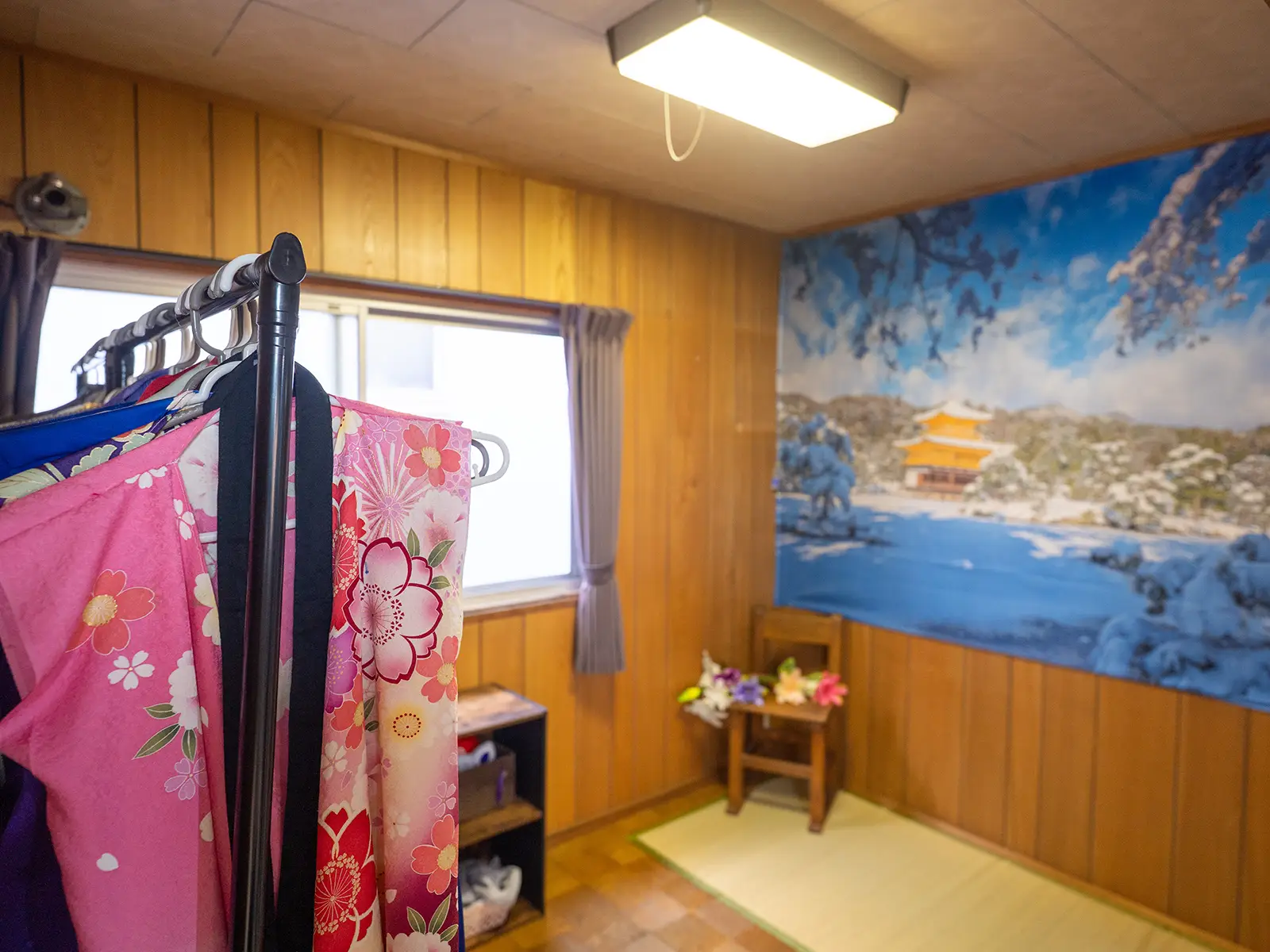
AriHana Kyoto offers warm hospitality and thoughtful attention to ensure that each guest can create the best possible memories of their time in Kyoto.
The highlight here is traditional Japanese play, which is simple, yet rich in depth. For example, when visitors from overseas pick up a kendama for the first time, they find themselves drawn into a childlike state, completely absorbed in trying to master it.
The setting itself also makes this place truly special: a charming 90-year-old traditional Japanese house full of atmosphere. It offers a glimpse of Kyoto’s authentic everyday life and ambience in a way that simply visiting famous tourist sites cannot. Though it may be your first visit, its quiet presence feels somehow familiar, gently easing the fatigue of travel and leaving families with a deep sense of contentment.
| Acceso | Approximately 11 minutes’ walk from Kiyomizu-Gojo Station on the Keihan Line |
Experience “Future Kyoto” at teamLab
teamLab Biovortex Kyoto
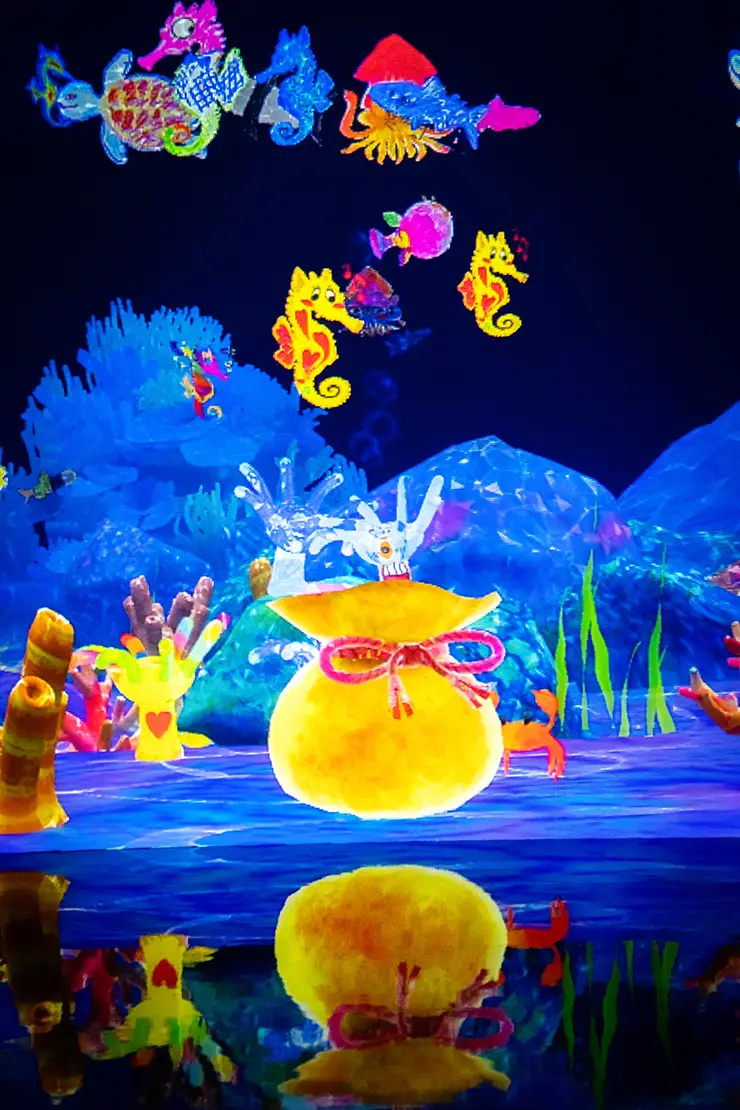
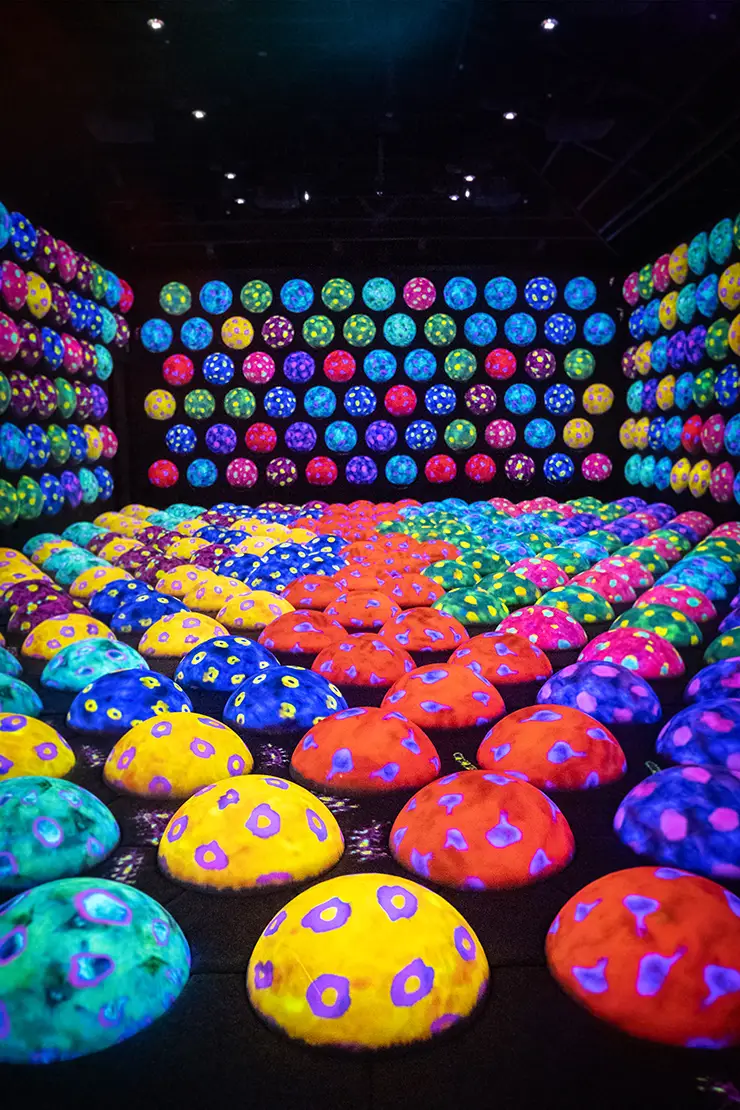
Just a short walk from Kyoto Station is teamLab Biovortex Kyoto, a museum created by the internationally acclaimed art collective “teamLab.” Here, cutting-edge digital technology creates an entirely new kind of experience in which the boundaries between art and viewer, and even between self and world, seem to dissolve.
| Acceso | Approximately 7 minutes’ walk from Kyoto Station |
Inspiraciones de viaje relacionadas
You can find more information on accommodations or activites aimed at families with children in our other articles!