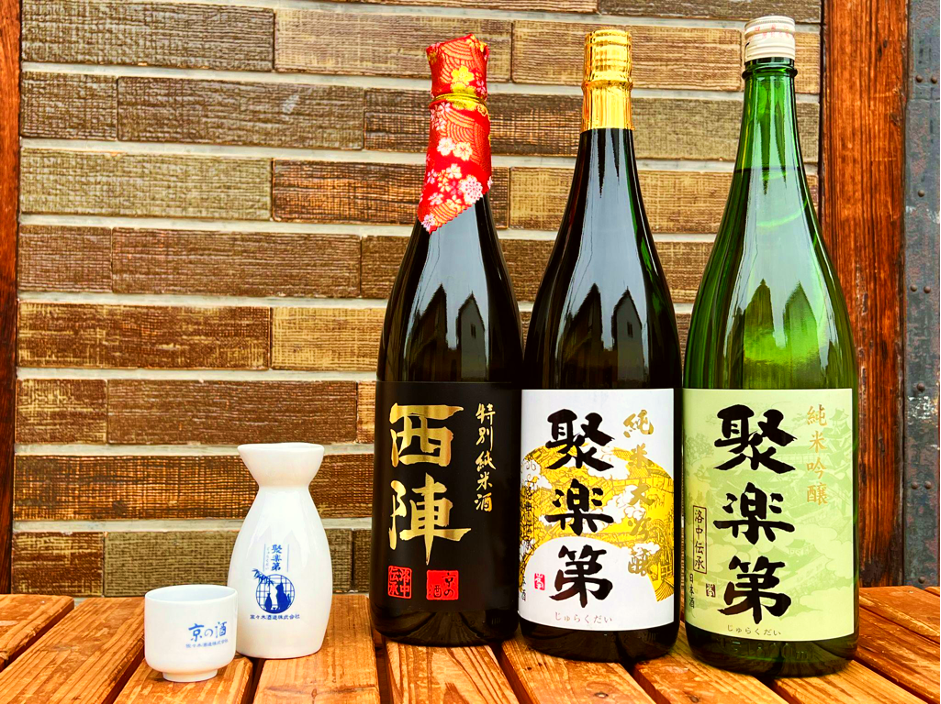
Kyoto is one of Japan’s most renowned regions for sake. Brewed with the city’s high-quality water, Kyoto’s sake is widely admired for its flavor and is popular not only across Japan but also among international visitors.
In this guide, we introduce the history of Kyoto’s sake, local efforts to promote it, and places where you can experience and enjoy it for yourself.
In this article
- The History of Sake in Kyoto
- The beginnings of sake
- Pure water—essential for sake
- Efforts to Promote Sake in Kyoto
- Brewery Tours and Tasting Spots in Kyoto
- Sasaki Brewery (Nishijin)
- Haneda Brewery (Keihoku)
- Matsui Brewery (Sakyo Ward)
- Gekkeikan Okura Sake Museum (Fushimi)
- Kizakura Kappa Country (Fushimi)
- Saito Brewery (Fushimi)
- Junmai Sake Kasu Tamano Hikari (Shijo Karasuma)
- Fushimi Sakagura Koji (Fushimi)
- My Sake World (Shijo Kawaramachi / Kyoto City Hall)
- KYOTO SAKE GARDEN (Kyoto City Hall)
- Kyoto’s Unique Sake Culture
The History of Sake in Kyoto
The beginnings of sake
The exact time and place where sake first originated remain unknown. However, records written in 868 mention that in the capital city Heian-kyo (the former name for Kyoto), there was already a government office called the Miki no Tsukasa, responsible for brewing sake for the imperial court. As this office oversaw the production of sake and vinegar, it is believed that sake was already being made in Kyoto at that time.
Later, during the Kamakura period (late 12th to early 14th century), shops that brewed and sold sake became widespread. In the following Muromachi period (mid-14th century to 16th century), the sake industry expanded rapidly.
Pure water—essential for sake
Within Kyoto City, sake brewing has been particularly active in the Fushimi and Nishijin areas.
In Nishijin, there is a place name written as 出水 (Demizu), meaning where “the water springs up.” True to its name, the area has long been blessed with high-quality groundwater. This abundance of good water supported not only sake brewing but also tofu making and tea ceremony, all of which value pure water.
Fushimi was once written as 伏水 (Fushimizu), meaning “hidden water.” As the characters suggest, the area has been rich in excellent groundwater since ancient times. The water is soft and low in minerals. Sake brewed from it is known for its gentle flavor and fragrant aroma.
At Goko no Miya Shrine in the Momoyama area of Fushimi, a spring called Goko Sui (literally, “the Fragrant Water”) wells up from the grounds. This water is of exceptional quality and has been selected as one of Japan’s “Selected 100 Exquisite and Well-conserved Waters” by the Ministry of the Environment, at the time called the Enviornment Agency. Even today, breweries in Fushimi draw from the same underground water source to make their sake.
Both Nishijin and Fushimi, blessed with favorable terrain and excellent water, have long produced outstanding sake.
Efforts to Promote Sake in Kyoto
On January 15, 2013, Kyoto enacted Japan’s first municipal ordinance dedicated to promoting sake: the “Kyoto City Ordinance on the Promotion of the Popularization of Sake.” The goal of this ordinance is to spread the custom of toasting with sake and share its appeal across the country. Another important aim is to encourage people to rediscover the value of sake as one of Japan’s treasured traditional industries.
Brewery Tours and Tasting Spots in Kyoto
Here are some places in Kyoto where you can enjoy sake. Some offer brewery tours or allow you to sample a variety of sake. Whether you love sake or don’t drink alcohol, these spots offer enjoyable experiences worth visiting.
Sasaki Brewery (Nishijin)
Founded in 1893 in the Nishijin area, Sasaki Brewery stands in a district known for its abundant groundwater—reflected in the place name “Demizu” (literally, “water springs up”). Many breweries once operated in Nishijin, but today Sasaki Brewery is the only one that remains.
The company is also known for its charming “cat employee,” which even appears on sake labels. Brewery tours are available by reservation.
Sasaki Sake Brewery
Haneda Brewery (Keihoku)
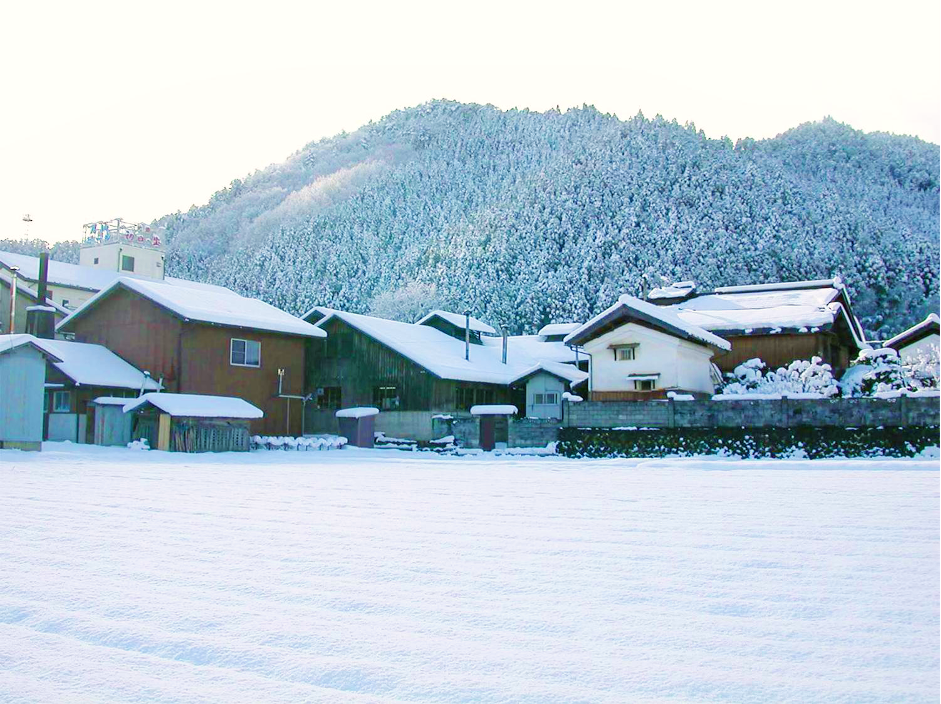
Located in the mountainous Kitayama region in northern Kyoto, Haneda Brewery produces sake using the area’s cool climate and clean groundwater from the upper reaches of the Katsura River. A distinctive feature of this brewery is that it grows its own sake rice, called Iwai. Thus, rice fields spread across the brewery grounds. Its signature label, Hatsuhinode, is popular for its crisp, clean taste.
Haneda Brewery
Matsui Brewery (Sakyo Ward)
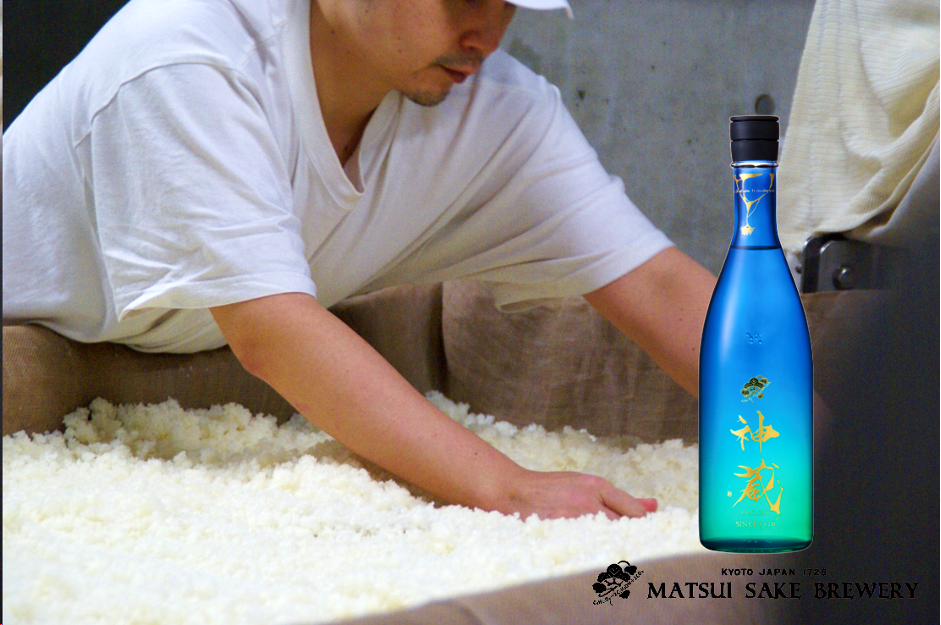
Founded in 1726, Matsui Brewery is known for its flagship brand Kagura. It is located just south of Demachiyanagi, near Kyoto University. The brewery uses a water source called Senshin Kanrosui (literally, “heavenly dew that cleanses the mind”), which comes from the same underground vein that supplies the Kyoto Imperial Palace. Sake is brewed here throughout the year.
One of the brewers, George Navarrete from the United States, also guides international visitors in English.
Matsui Brewery
Gekkeikan Okura Sake Museum (Fushimi)
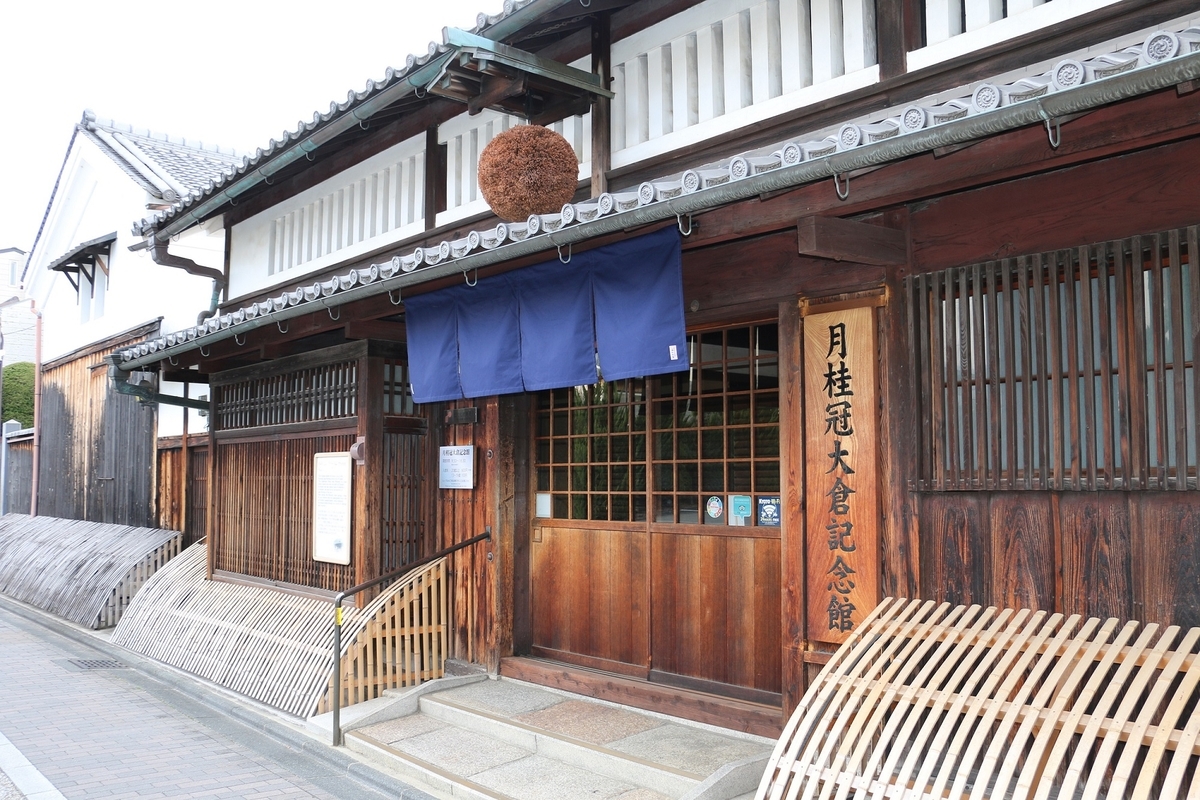
Image provided by Gekkeikan Sake Co., Ltd.
Operated by Gekkeikan, a company founded in 1637, this museum offers insight into the history of sake brewing in Fushimi, the culture surrounding it, and the company’s spirit of innovation. Inside, you can see tools once used in traditional brewing, such as wooden vats and barrels. At the end of your visit, you can enjoy a tasting, choosing three varieties to compare.
Gekkeikan Okura Sake Museum
Kizakura Kappa Country (Fushimi)
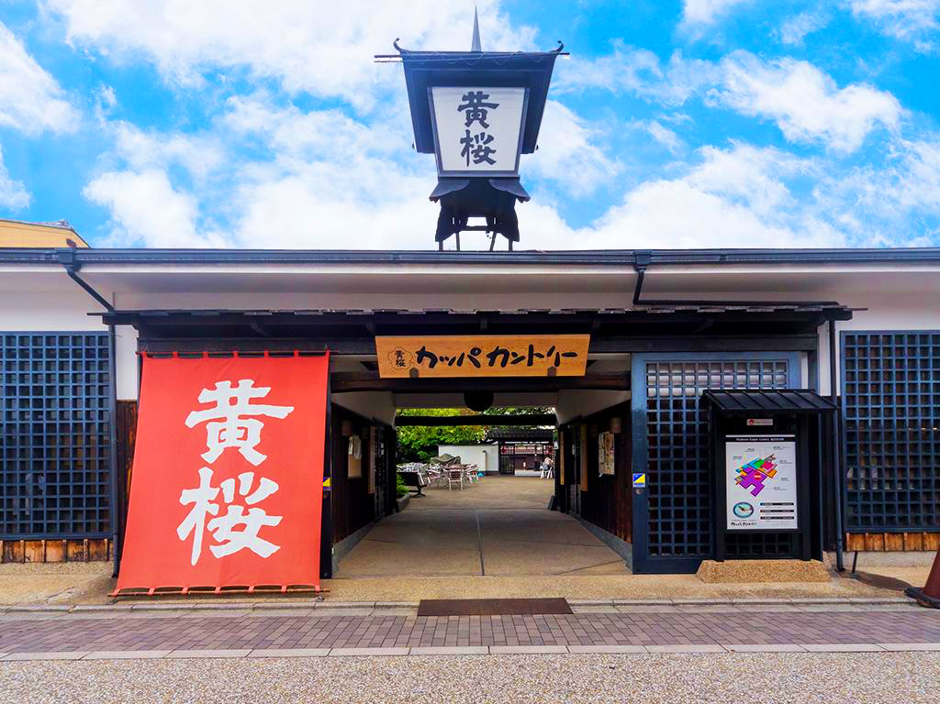
Kizakura Kappa Country is a restaurant run by Kizakura Co., housed in a renovated former sake brewery. Here you can enjoy exclusive sake available only at this location, as well as Kyoto Bakushu, Kyoto’s first locally brewed beer. Seasonal dishes are also served.
Kizakura Kappa Country
Saito Brewery (Fushimi)
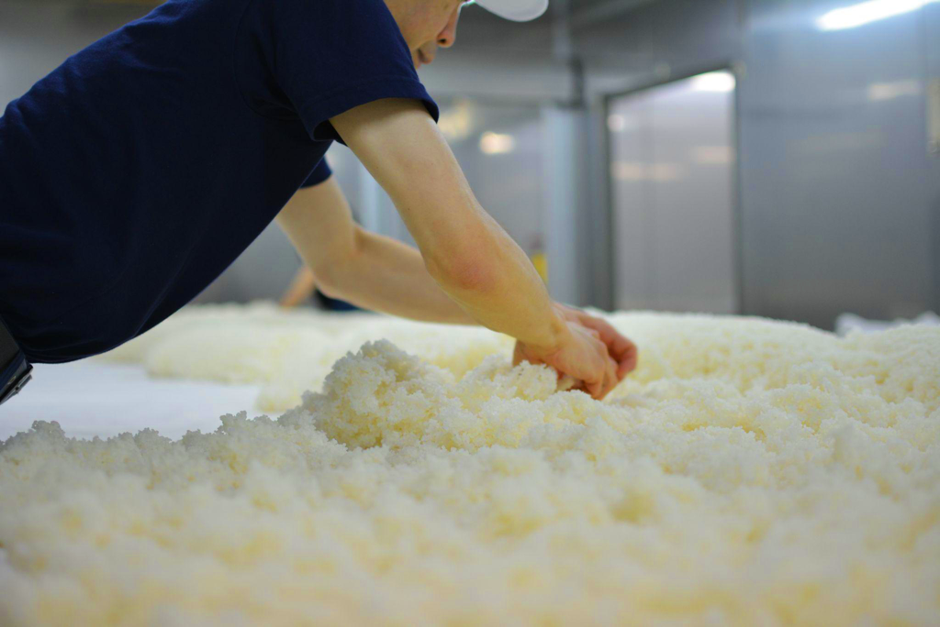
Founded in 1895 in Fushimi, Saito Brewery produces sake under the brand name Eikun. Its quality has been highly praised, earning numerous awards in Japan and abroad. Brewery tours are possible, but scheduling is required. Those wishing to visit should contact the brewery by phone in advance.
Saito Brewery
Official website (available in Japanese only)
Junmai Sake Kasu Tamano Hikari (Shijo Karasuma)
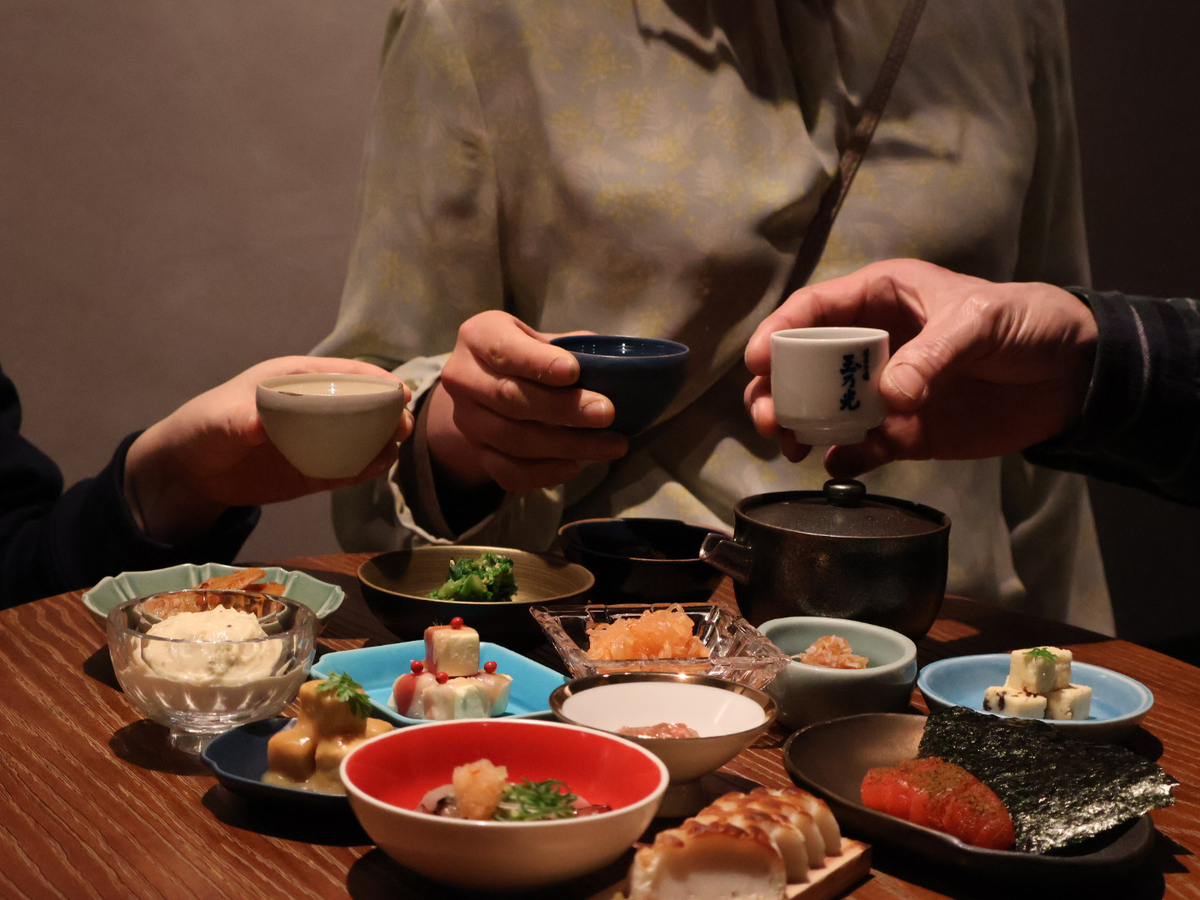
Tamano Hikari Brewery, founded in 1673 in Fushimi, celebrated its 350th anniversary in 2023. In 1964, it pioneered the revival of junmai sake—made without added distilled alcohol—and continues to preserve this method.
While the brewery itself is not open for tours, it operates a restaurant in the Shijo Karasuma area called Junmai Sake Kasu Tamano Hikari. A popular feature is the tasting bar, where you can enjoy all-you-can-drink sake for 30 minutes for 1,500 yen.
The menu also includes dishes made with sake kasu (sake lees), produced from rice and rice malt.
Junmai Sake Kasu Tamano Hikari
Fushimi Sakagura Koji (Fushimi)
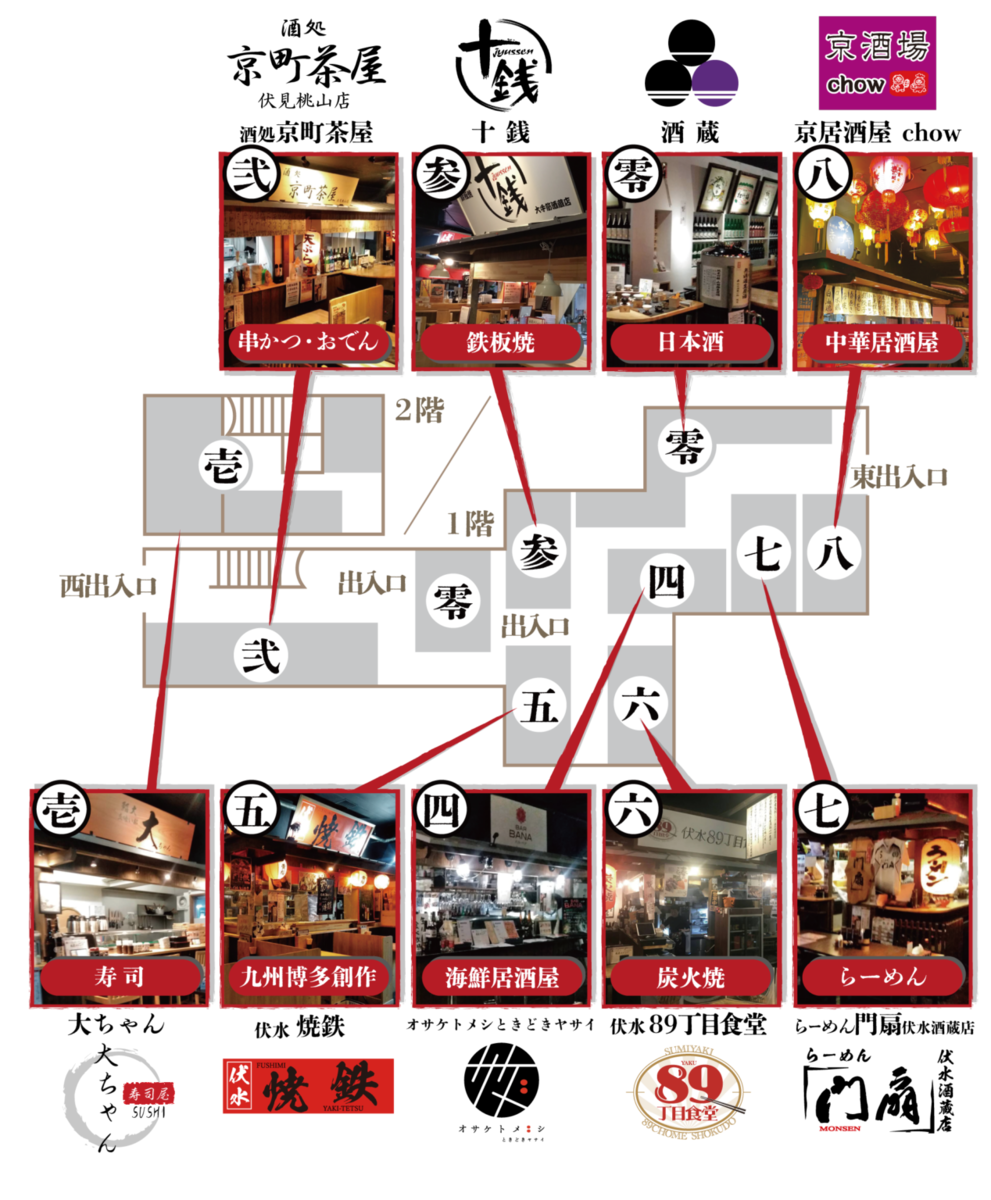
Fushimi Sakagura Kōji is a complex of restaurants offering a wide range of cuisines, including Chinese food, okonomiyaki, oden, and Japanese-Western dishes. All pair wonderfully with Fushimi’s sake.
Many local breweries’ labels are available here, making it an ideal place to sample and compare different varieties. The food is excellent as well, so even non-drinkers can enjoy their visit.
Fushimi Sakagura Koji
My Sake World (Shijo Kawaramachi / Kyoto City Hall)
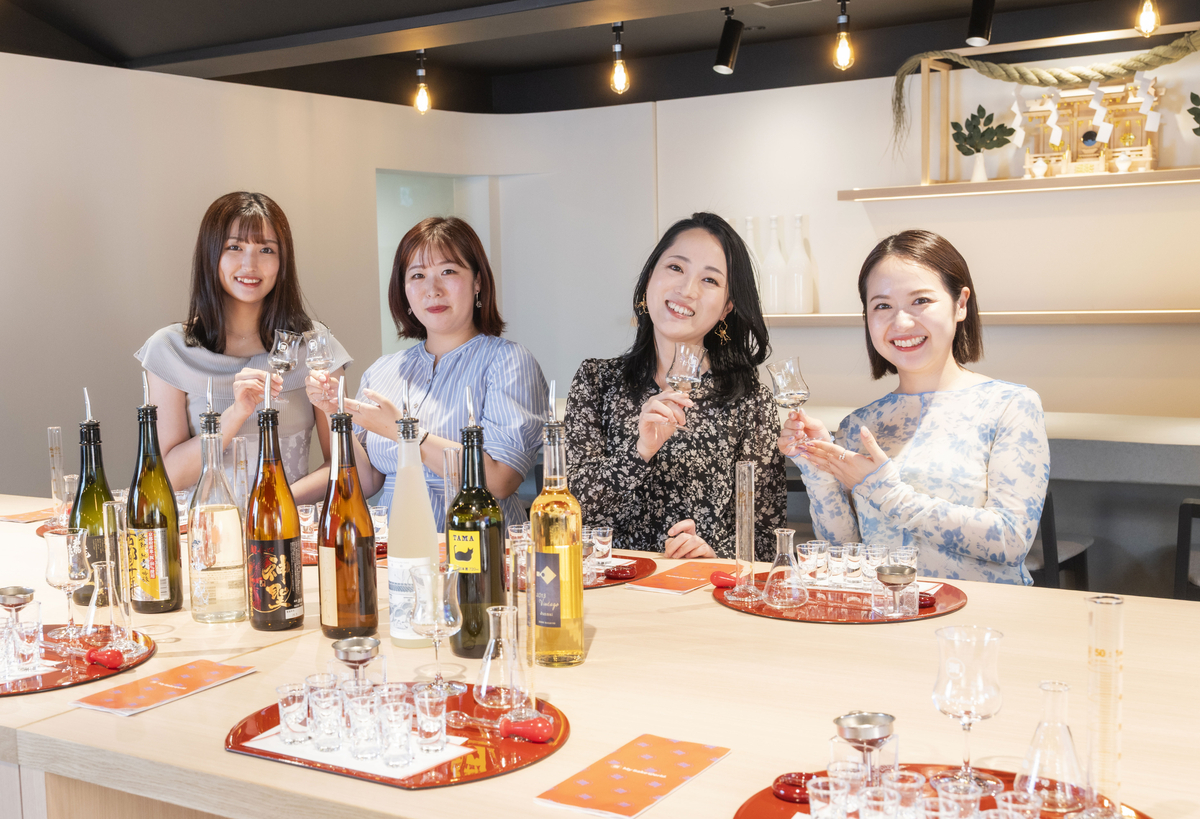
Image provided by Leaf Publications Co., Ltd.
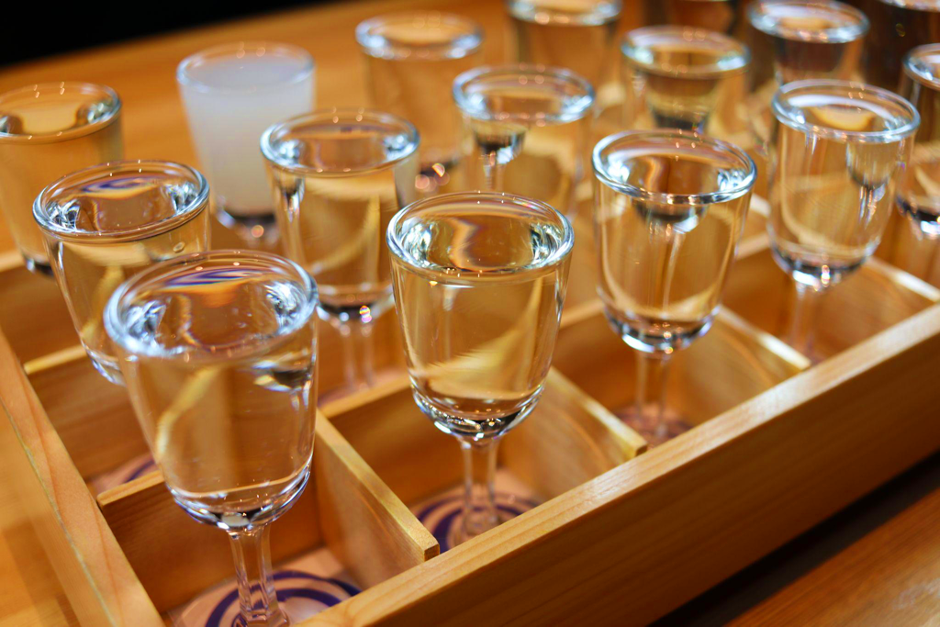
At My Sake World Kyoto Kawaramachi, visitors can enjoy the rare experience of creating their own original blend of sake. First, you sample 8 to 12 varieties—including Kyoto labels such as Tsuki no Katsura, Tomio, and Kagura—while listening to staff explanations. Then you choose your favorites and blend them to create a one-of-a-kind sake.
At the Kawaramachi location, you can take your creation home the same day; at the Oike-Bettei branch, it is shipped later. There is also a simpler tasting experience where you can sample 8 to 12 types with commentary. The Oike-Bettei branch offers a private setting limited to six guests.
As the experience differs slightly by location, you can choose the one that suits you best.
My Sake World Kyoto Kawaramachi Shop
My Sake World Oike-Bettei
KYOTO SAKE GARDEN (Kyoto City Hall)
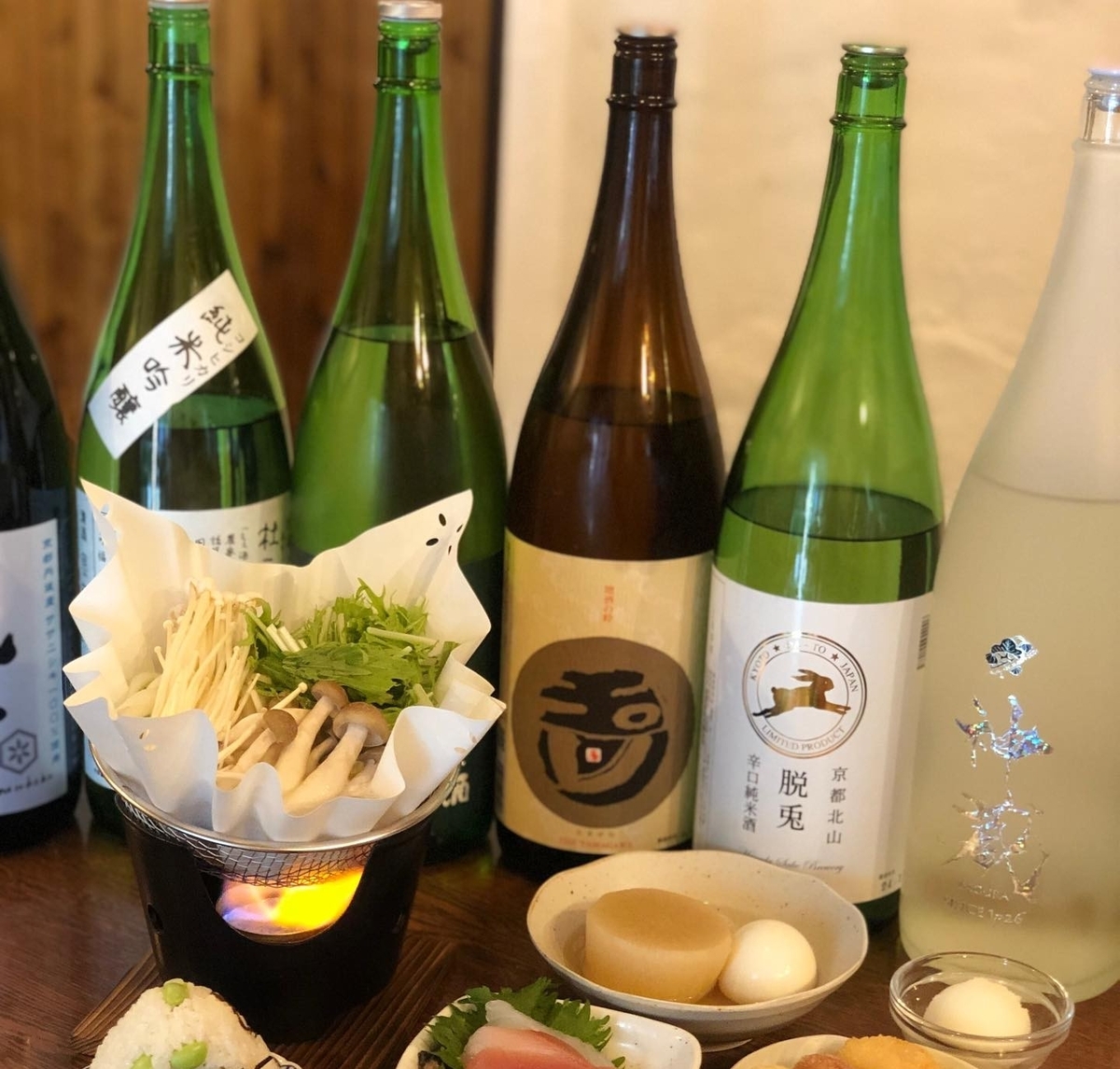
Image provided by KYOTO SAKE GARDEN
At Kyoto Sake Garden, you can enjoy a plan called “Comparing Kyoto’s Sake.” This is a self-service, all-you-can-drink experience within a set time limit. You can sample sake from various parts of Kyoto City, including Fushimi, Sakyo, Kamigyo, Ukyo, and Kitayama. There is also a wide selection of fruit liqueurs such as yuzu and plum wine made by Kyoto breweries.
KYOTO SAKE GARDEN
Kyoto’s Unique Sake Culture
In addition to its history and pure water, Kyoto’s original yeast strains—known as Kyoto Yeast—and its locally developed sake rice, Iwai, are essential elements behind its excellent sake. Kyoto yeast was independently developed by a city research institute.
There are currently five types, each producing different aromas and flavors and suited to different serving temperatures. Iwai is a variety of sake rice born in Kyoto specifically for brewing. Its high quality is highly regarded by specialists.
With Kyoto’s beautiful water and these distinctive ingredients, the city continues to produce remarkable sake. Be sure to take the opportunity to experience it for yourself.
Article Author