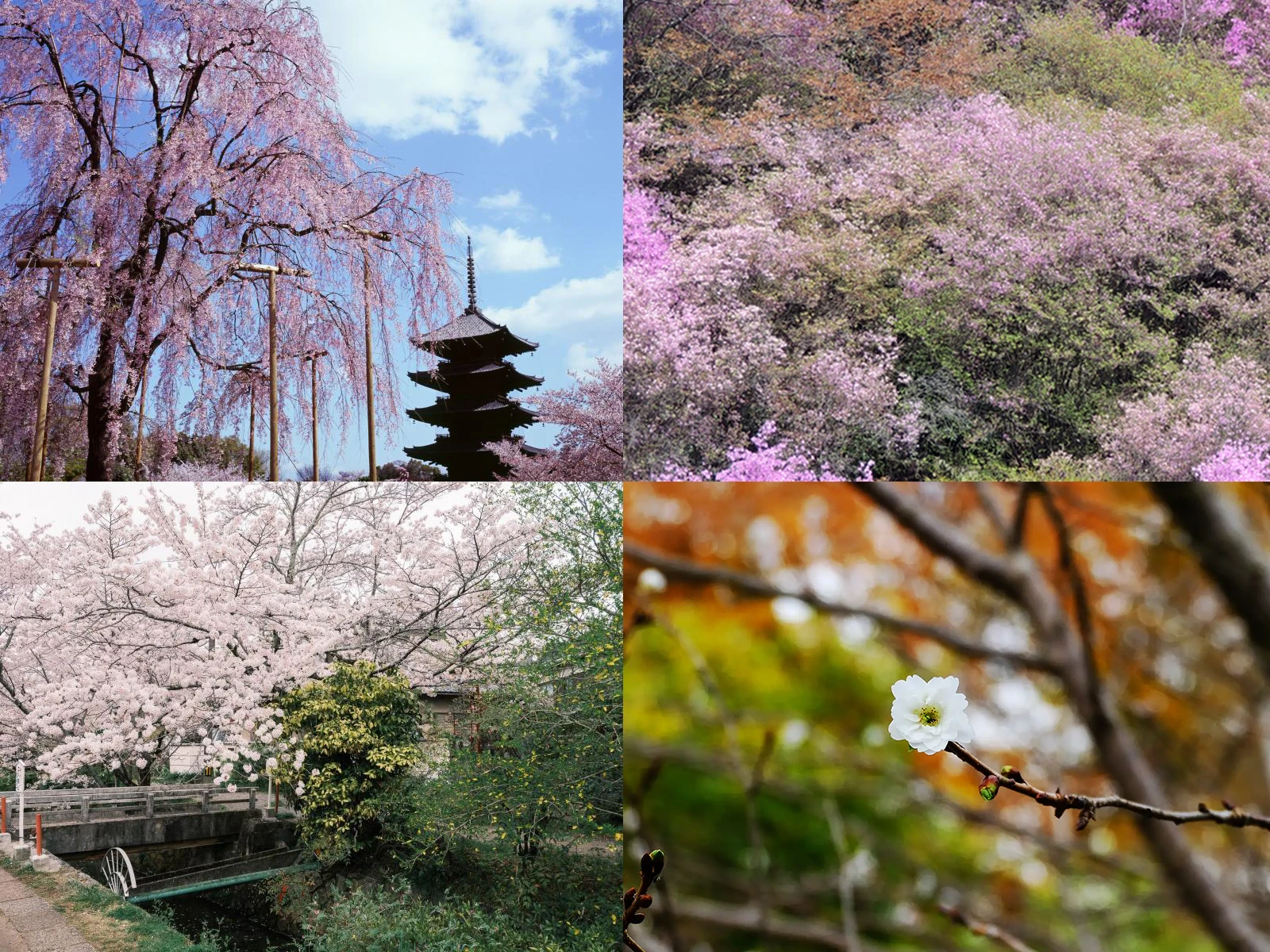
Kyoto comes alive with vibrant beauty in spring, when the entire city is enveloped in a delicate pink veil that enchants all who visit. A closer inspection reveals that each blossom has its own charm.
The most popular variety of cherry blossom in Japan is the somei yoshino, a variety that is comparatively new among cherry cultivars and was first grown in the late Edo period (1603–1868). In contrast, the yamazakura and shidarezakura varieties have a deep association with Kyoto’s ancient temples and shrines. These varieties have been celebrated in Waka poetry for more than a thousand years, and even today they preserve the beauty once cherished by nobles and painters.
This article explores the differences between old and new cherry blossom varieties and introduces some ideal spots where you can appreciate the distinct beauty of each. Understanding these differences is sure to help you better enjoy the vividly colorful spring in Kyoto.
Shidarezakura—Conveying Kyoto’s history
As their name suggests, the shidarezakura weeping cherry trees have a distinctive appearance, resembling a shower of flowers falling down from the sky. It is thought that the ancestors of shidarezakura were already in existence in the Heian period (794–1185), and have evolved together with the Japanese sense of beauty for more than a millennium.
Many of the shidarezakura found in Kyoto’s gardens and temples are derived from these ancient varieties. Over the years, variants such as the more brightly colored benishidare crimson weeping cherry or the opulent yaebenishidare double-petaled crimson weeping cherry trees have been discovered and preserved.
Rather than looking at specific varieties, here we offer a broad overview of the beautiful weeping cherry trees with their cascading waterfall-like branches that harmonize exquisitely with Kyoto’s traditional architecture.
To-ji Temple
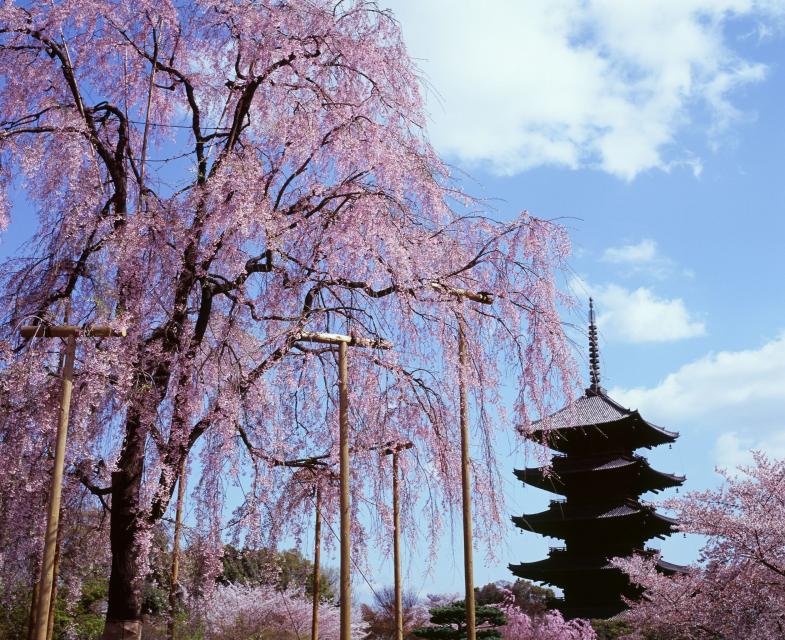
Associated with the great Buddhist master Kukai (774–835), To-ji Temple is home to a grand, over 120 year old yaeshidarezakura tree known as “Fujizakura.” Yaeshidarezakura double-flowered weeping cherry trees are grown throughout Japan, and this magnificent specimen was gifted to the temple about 20 years ago by a devotee. It is about 13 meters tall and in spring blossoms into a breathtaking carpet of flowers that cascades down like a waterfall.
Set against the backdrop of To-ji’s 55-meter-high five-storied wooden pagoda, its gracefully spreading branches seem to float with quiet dignity, and are one of the iconic views that symbolize Kyoto.
Maruyama Park
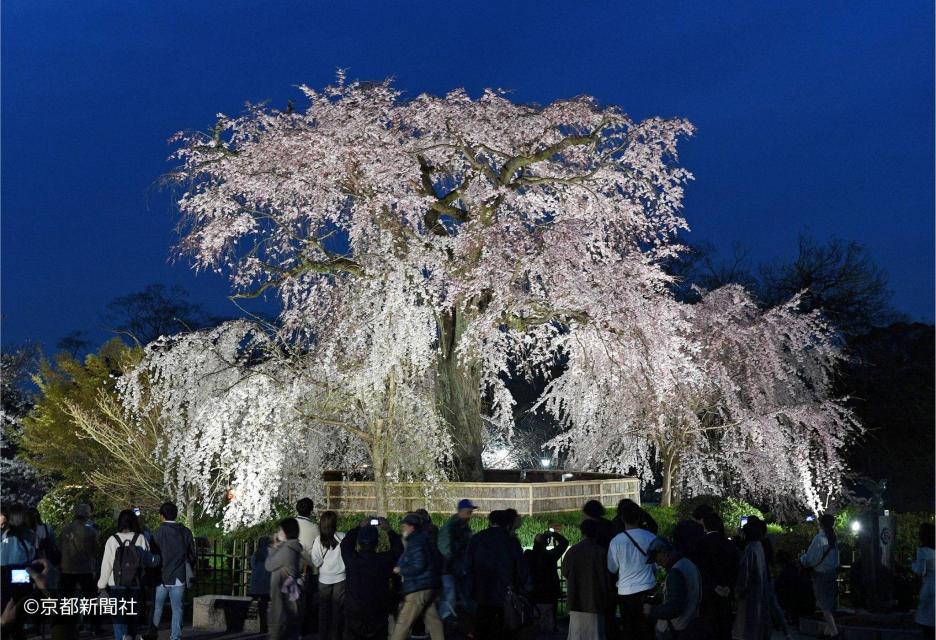
At the heart of the Maruyama Park—Kyoto’s oldest park—reigns a giant shidarezakura known affectionately as the “Gion Night Cherry.” This current tree was planted in 1949 and is the second generation, boasting a broad crown of branches that seem to cover the sky.
When in bloom, these branches rain pale pink blossoms that give it a regal presence. Particularly when illuminated at night, it draws crowds of people from around the world who come to see its ethereal white form floating in the darkness. The entire park is enveloped in a welcoming, festive atmosphere that, in combination with the commanding presence of this historic tree, makes it one of the defining sights of spring in Kyoto.
This is one of the finest places to enjoy the vibrant tradition of nighttime cherry blossom viewing in this ancient capital.
A change of location brings a change in the atmosphere surrounding the cherry blossoms. Here we introduce a few more unique spots where you can experience the diversity of Kyoto’s scenery
Heian Jingu Shrine
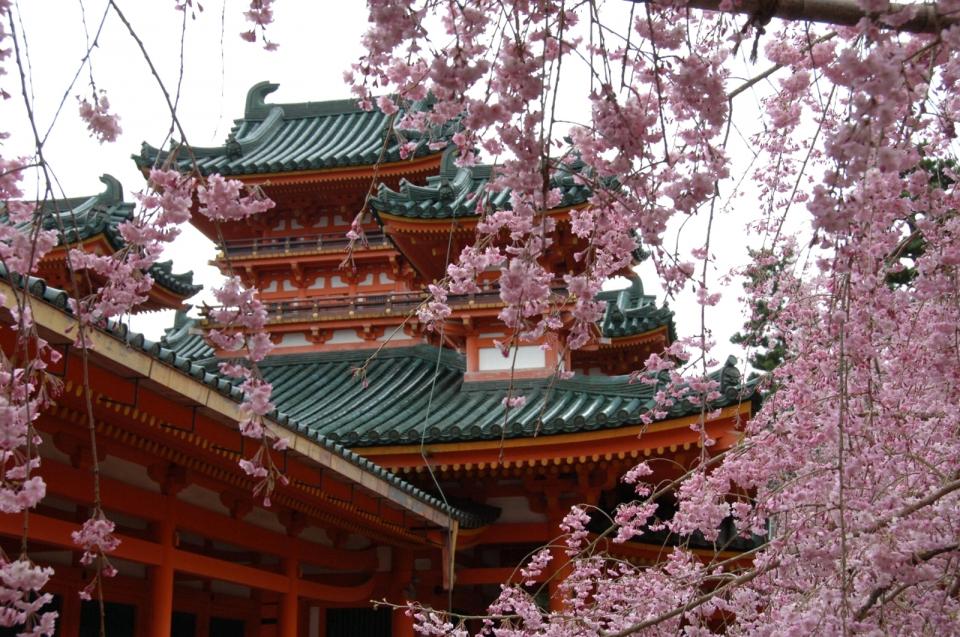
Built in I895 to commemorate the 1100th anniversary of the relocation of the nation’s capital to Heian-kyo, now known as Kyoto, the Heian Jingu shrine partially recreates architectural elements from the Heian period. The benishidarezakura crimson weeping cherry trees adorning the vast grounds of the shrine also feature in Junichiro Tanizaki’s novel, “The Makioka Sisters.”
The sight of the vermillion buildings and beautiful cherry blossoms reflected on the surface of the pond creates a serene beauty reminiscent of the imperial gardens of old.
Tenryu-ji Temple
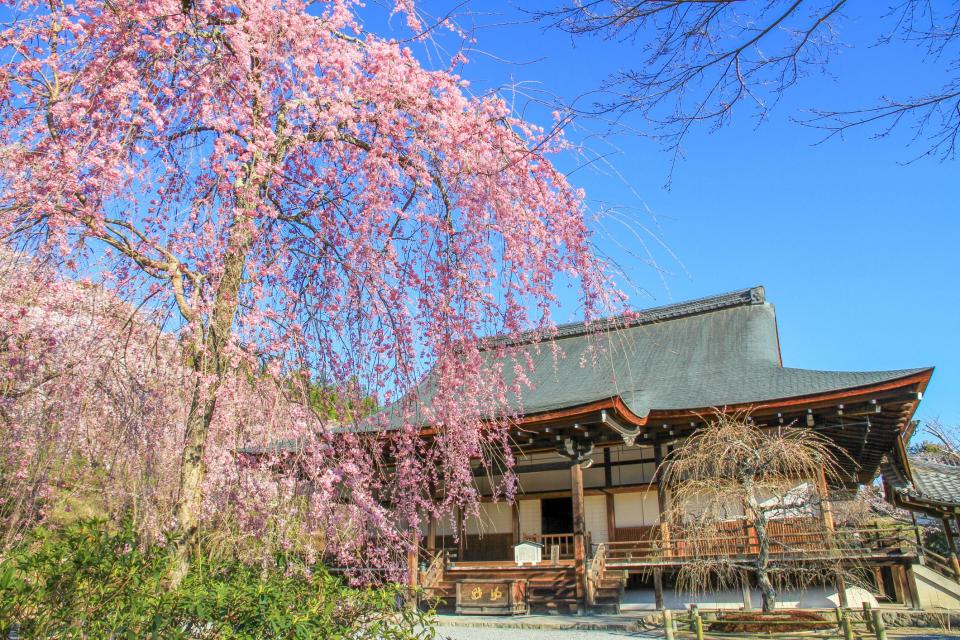
Tenryu-ji Temple is one of Kyoto’s most renowned Zen temples, and is particularly well-known for Sogenchi Garden, which incorporates the scenic backdrop of Arashiyama as a “borrowed landscape.” The grounds around the Tahoden Hall—which is associated with the Emperor Go-Daigo (1288–1339)—are home to many graceful shidarezakura.
The pale pink cherry blossoms cascading down from the eaves of the majestic temple roofs blend with the greenery of the surrounding mountains, evoking the refined tranquility for which Zen temples are so well known.
Hirano Shrine
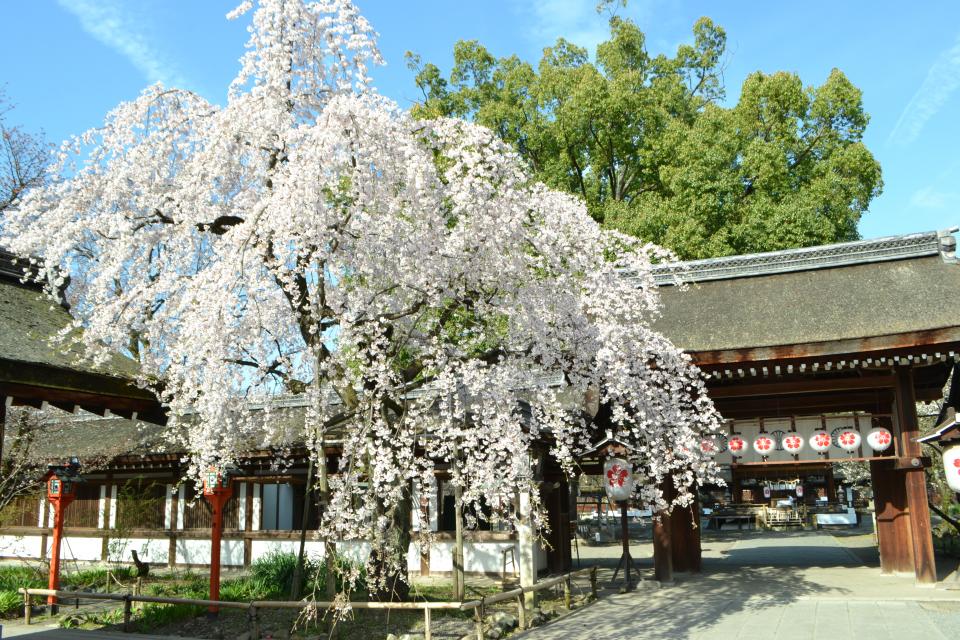
Thought to have been founded approximately 1200 years ago, Hirano Shrine has long held deep ties with the imperial family. It has been widely known for its “Hirano no Yozakura,” a night cherry blossom viewing spot known widely since the Edo period.
Today the grounds host a diverse array of cherry trees—currently approximately 400 trees of 60 different varieties, including shidarezakura—allowing visitors to enjoy the spring colors for a long period that extends from early to late spring without interruption.
Nakaragi Path
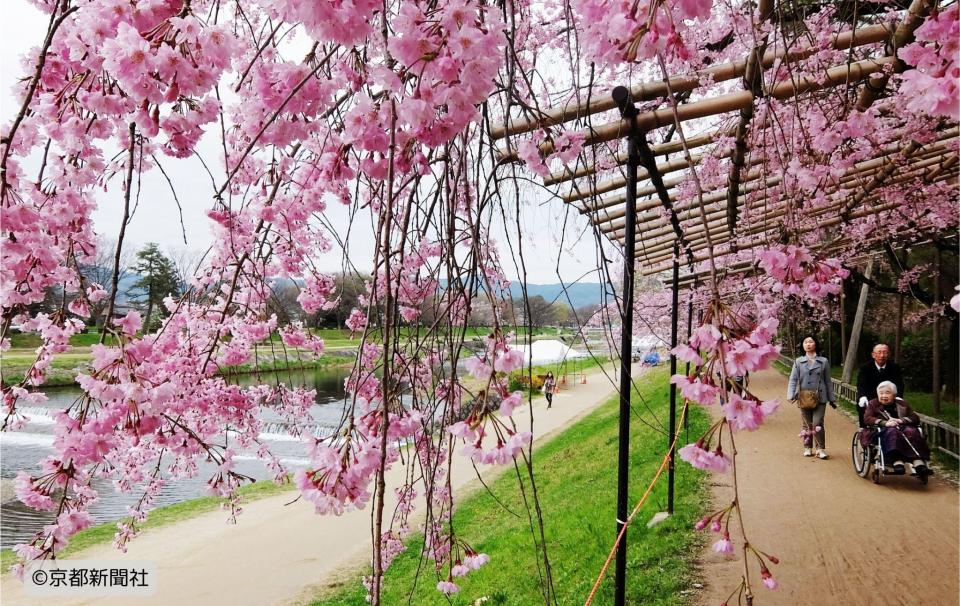
Located on the western side of Kyoto Prefectural Botanical Gardens, Nakaragi Path is a tranquil walking trail that extends approximately 800 meters along the embankment of the Kamo River. Here, a line of benishidarezakura crimson weeping cherry trees blooms in a cascading curtain of flowers.
The tunnel of cherry blossoms overhead and the soft sunlight filtering through the gaps in the branches create a gentle backdrop for visitors to enjoy being bathed in spring light.
The Yamazakura Mountain Cherry Blossoms that Bloom in Japan
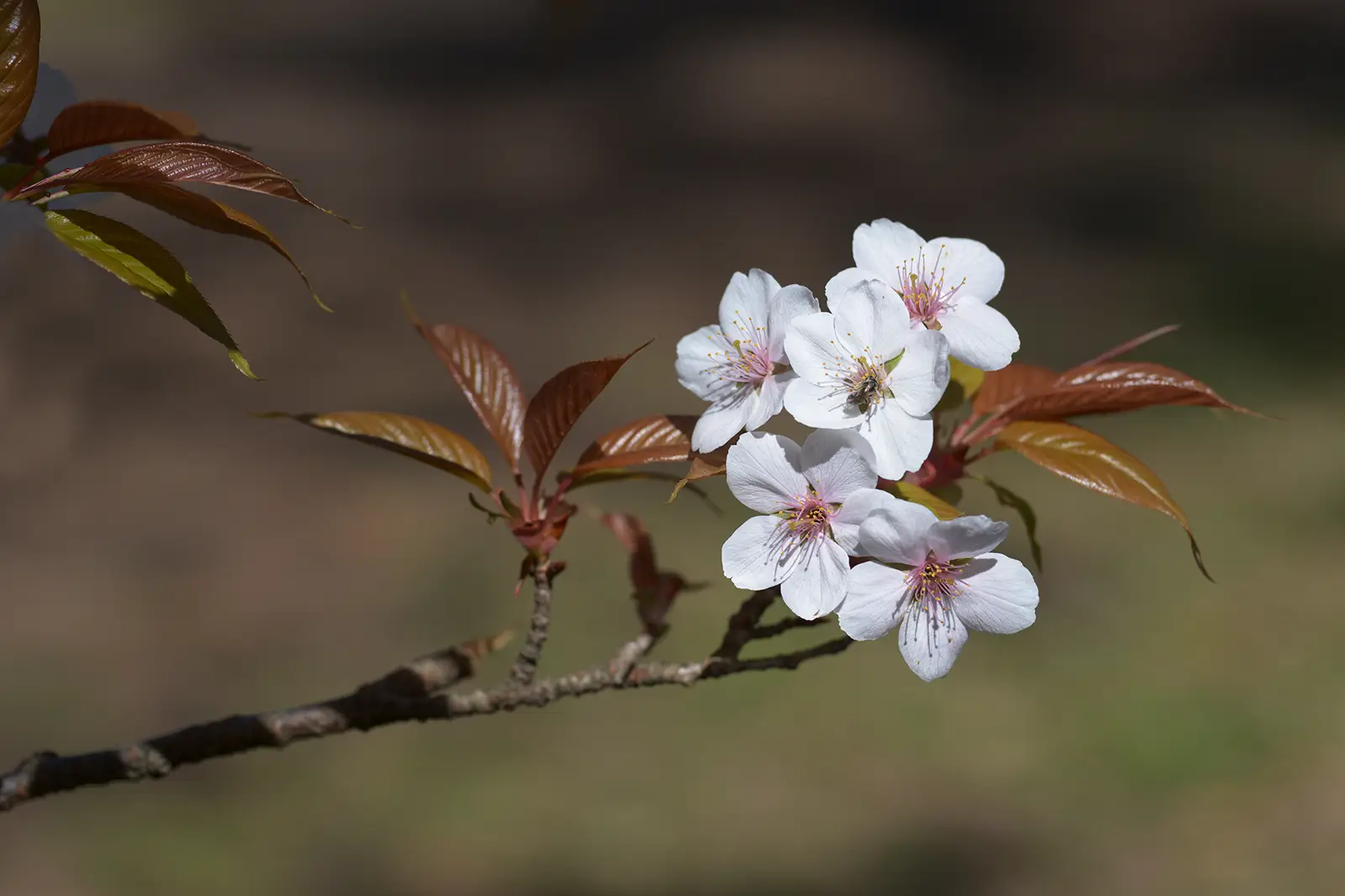
Long before the advent of somei yoshino, yamazakura mountain cherry trees grew wild in the mountains of Japan, much loved by poets and aristocrats. The most distinguishing characteristic of these trees is the reddish-brown leaves that emerge at the same time as the flowers bloom, giving yamazakura a subtle coloration that blends into the mountain landscape.
Unlike the carefully cultivated cherry trees found in manicured gardens, each yamazakura tree is different, with different variations in color and bloom timing. As these are mountain cherry trees, they are often seen in locations far away from towns and cities.
Yamazakura live an extremely long time and grow very large with age, giving them a refined elegance befitting of a backdrop of Japan’s ancient capital. Rather than man-made splendor, this variety of sakura conveys the beauty of Japan’s landscape that remained unchanged since the Heian period.
Saimyo-ji Temple
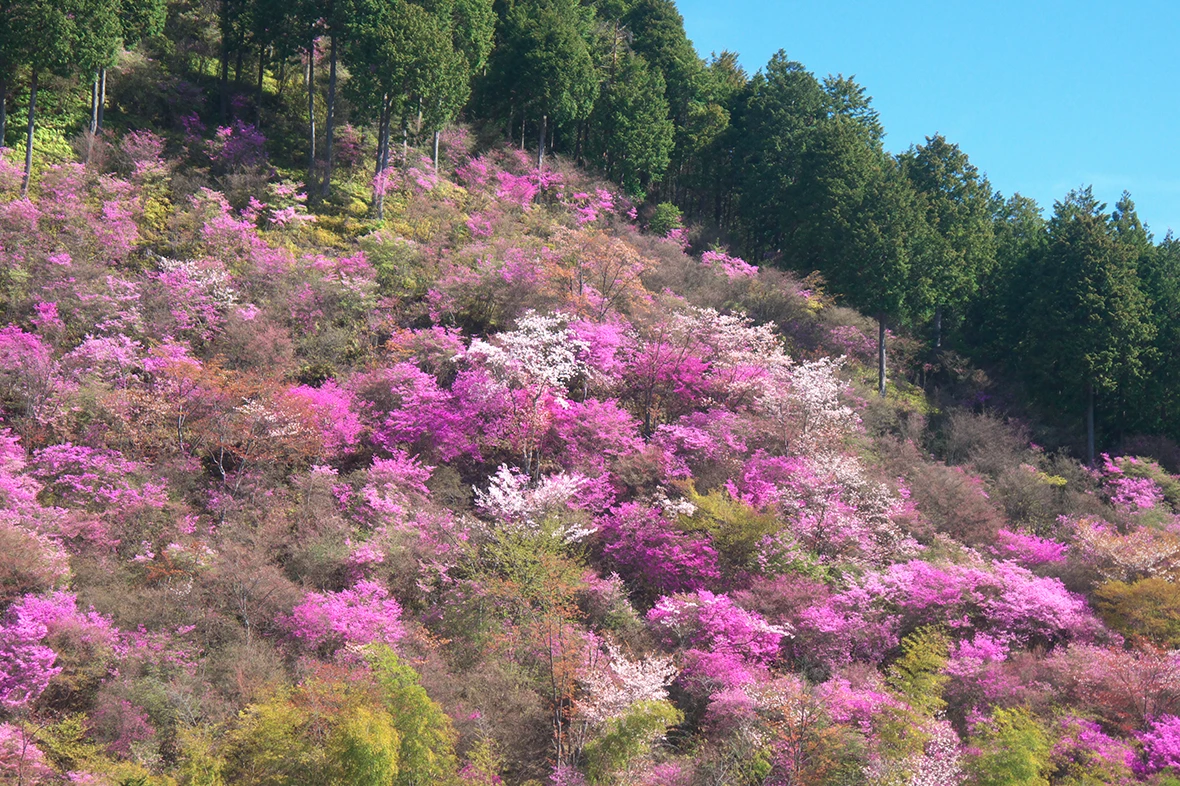
Nestled in the mountainous Takao region to the northwest of Kyoto City, Makinoosan Saimyo-ji is an ancient temple long revered as a fall foliage site. While it is renowned for its autumn splendor, in spring the wild yamazakura brings a refreshing beauty to the mountain slopes. The red-brown of the young leaves will change to green with the passing of time.
With luck you may encounter vibrant mitsuba tsutsuji wild azalea blooming together with yamazakura, painting the mountains in color for a fleeting moment. Here, surrounded by mountains and rivers far from the bustle of the city, you can enjoy the enduring beauty of Japan’s native cherry blossoms, unchanged for a thousand years.
Further information about the Takao region, including Saimyo-ji Temple.
These spots are situated far from the hustle and bustle of the city and offer a chance to discover the fresh, invigorating beauty of Yamazakura so beloved by poets of old. We invite you to experience timeless spring landscapes surrounded by historic architecture and rich natural scenery.
Arashiyama Park (Kameyama District)
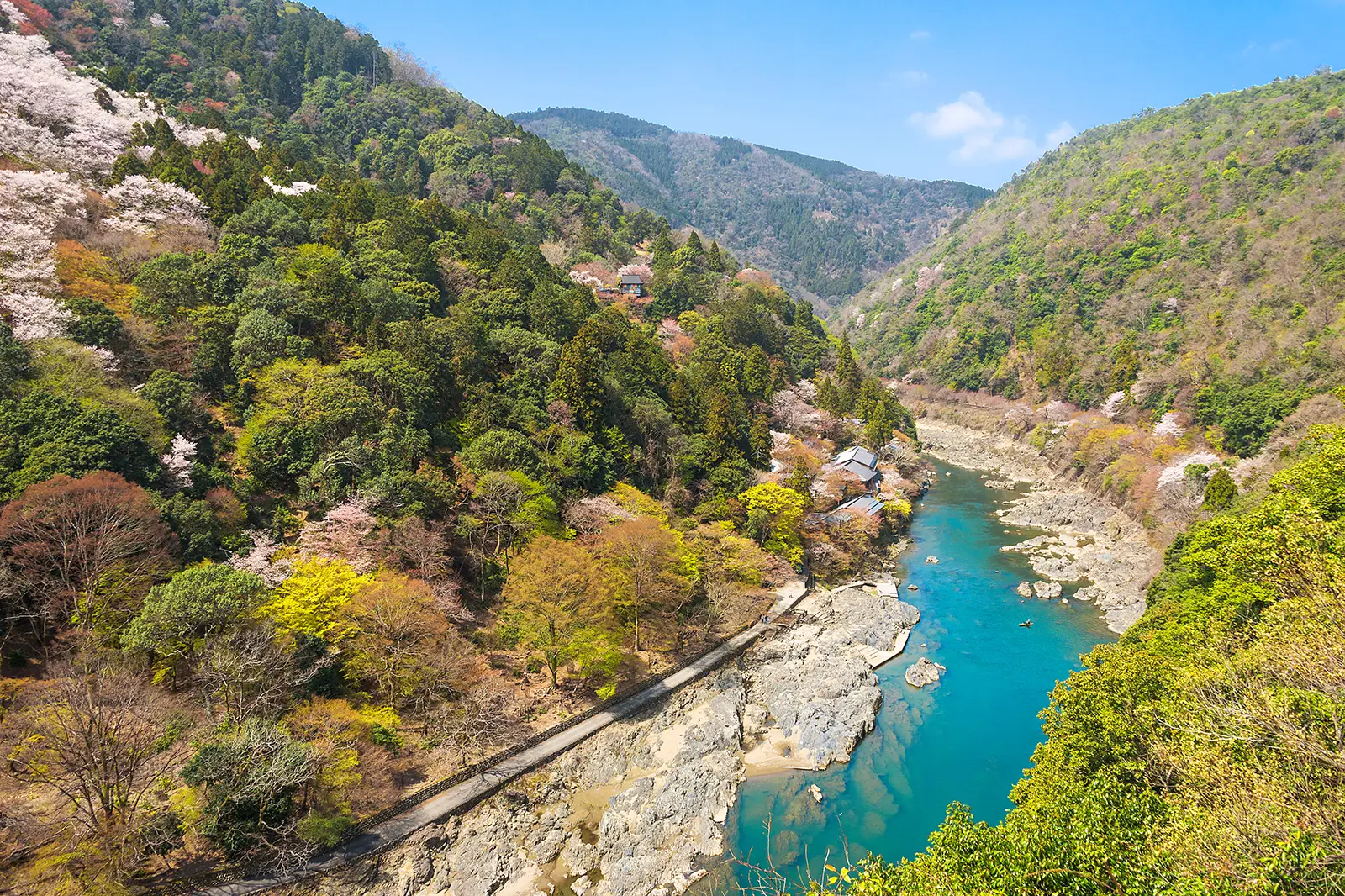
Arashiyama Park located in the Kameyama District (also called Kameyama Park) is a park situated on a small hill to the northwest of Togetsukyo Bridge, offering a lush green space that is perfect for walking.
The viewing platform offers panoramic views of the Hozu River below and Arashiyama on the opposite bank. In spring the hillsides are dotted with the white blossoms of wild Yamazakura that seem to float amid the lush greenery.
The Star of Today: Somei Yoshino
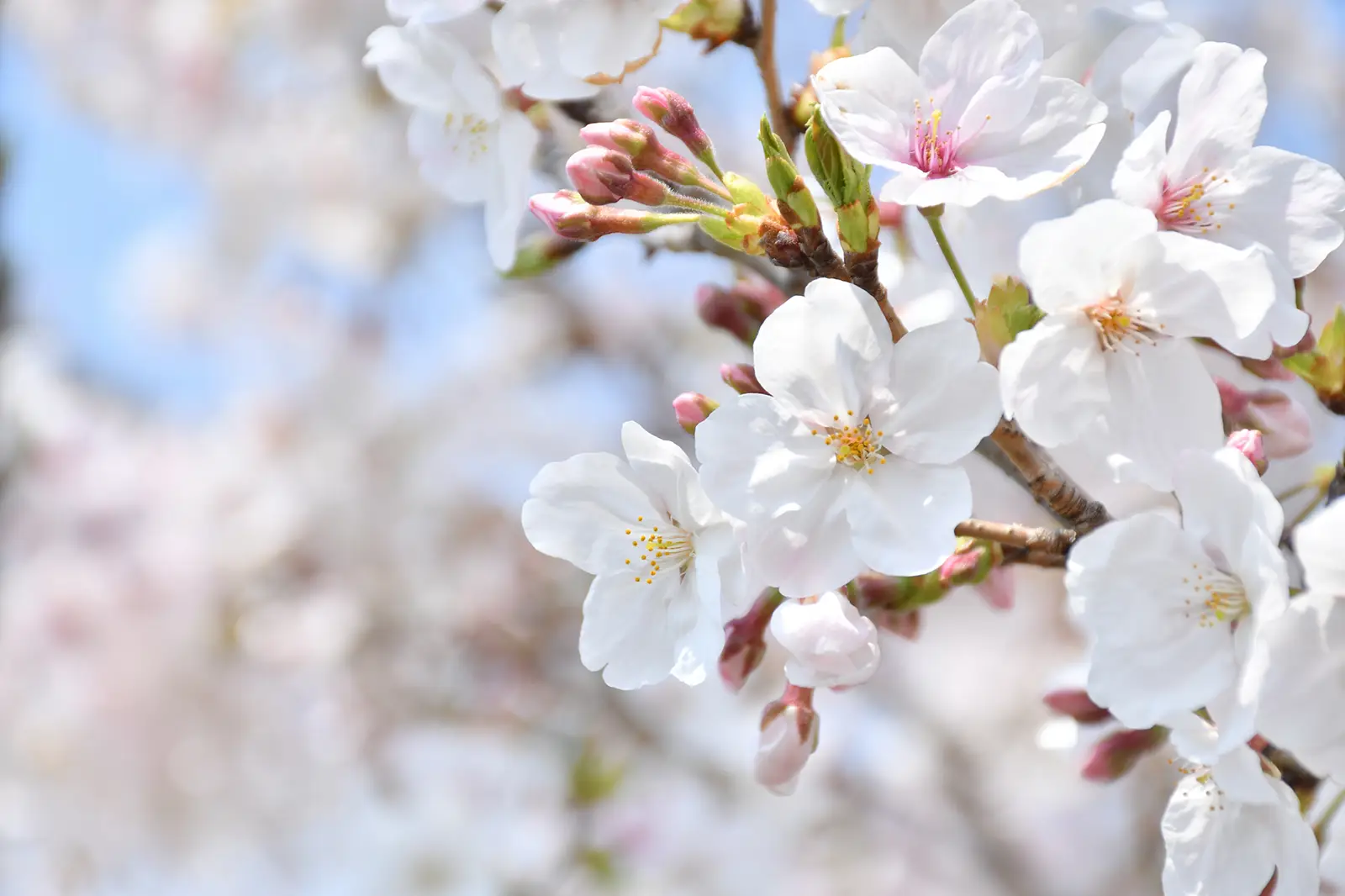
Somei yoshino cherry blossoms, a symbol of spring in Japan, are a cultivar created through crossbreeding the edohigan and oshimazakura cherry trees. It spread from the village of Somei on the outskirts of Edo (modern-day Tokyo) toward the end of the Edo period, taking its name from Yoshino (now Nara Prefecture), a famed destination for cherry blossom viewing.
From the Meiji period (1868–1912) onward it spread throughout Japan as a symbol of the nation’s flower-viewing culture. Somei yoshino was propagated to every corner of the country through grafting—every individual found today is a clone of one original tree.
Somei yoshino is notable for the fact that its flowers bloom before the leaves, so that the entire tree is cloaked in a cloud of pale pink. It also grows rapidly and tends to develop into a large tree.
The Philosopher’s Path
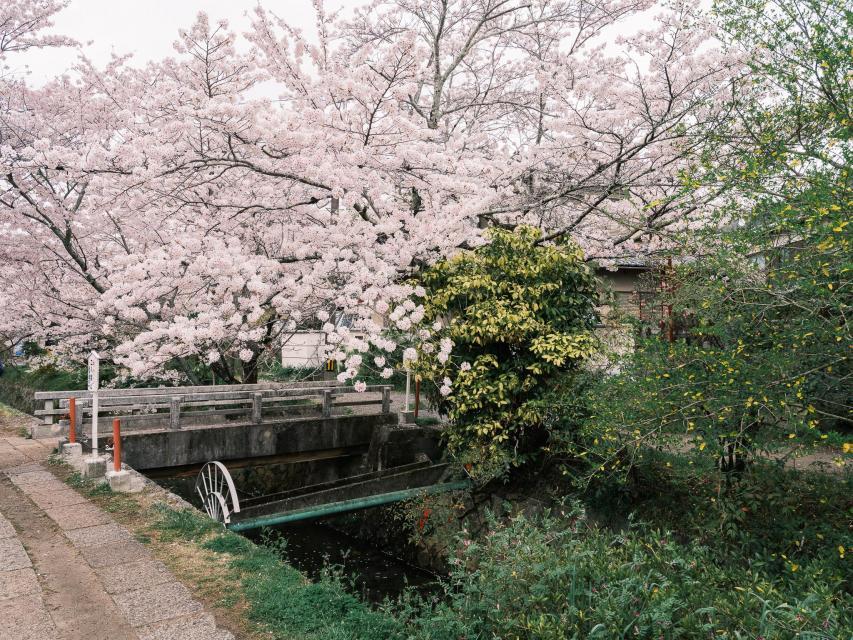
The Philosopher’s Path stretches for approximately two kilometers along a branch of the Lake Biwa Canal and is one of Kyoto’s most iconic spots for somei yoshino cherry blossoms. It is named for its historical use by a renowned philosopher who would take a walk along it every morning.
In spring, the blooming trees overhead transform the path into a magnificent tunnel of cherry blossoms with flower petals drifting across the surface of the water.
The Philosopher’s Path is located close to Ginkaku-ji and Nanzen-ji Temples, offering visitors the chance to enjoy a quintessential springtime stroll in the ancient capital.
At many historic temples, shrines, and gardens, large numbers of somei yoshino are planted together with other cherry cultivars. Try comparing them!
Daigo-ji Temple
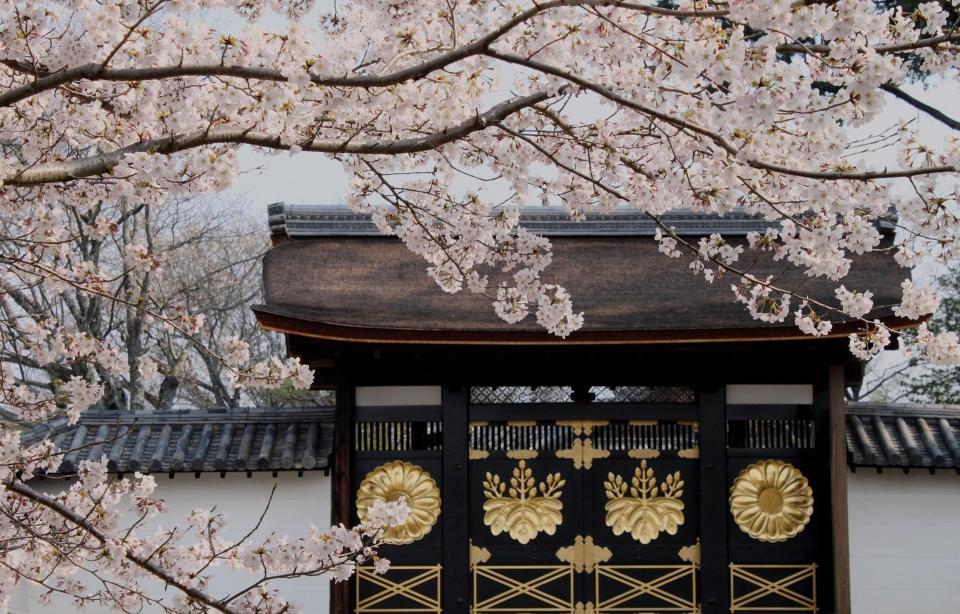
Daigo-ji Temple is known as the site where Toyotomi Hideyoshi, a warlord of the Sengoku period (1467–1615), held an extravagant flower viewing banquet in his later years. It is said that more than 700 cherry trees were planted for this banquet.
The vast grounds of the temple are still adorned with countless somei yoshino and shidarezakura even today, symbols of the history of this location.
Cherry Blossoms You Can See in Fall and Winter
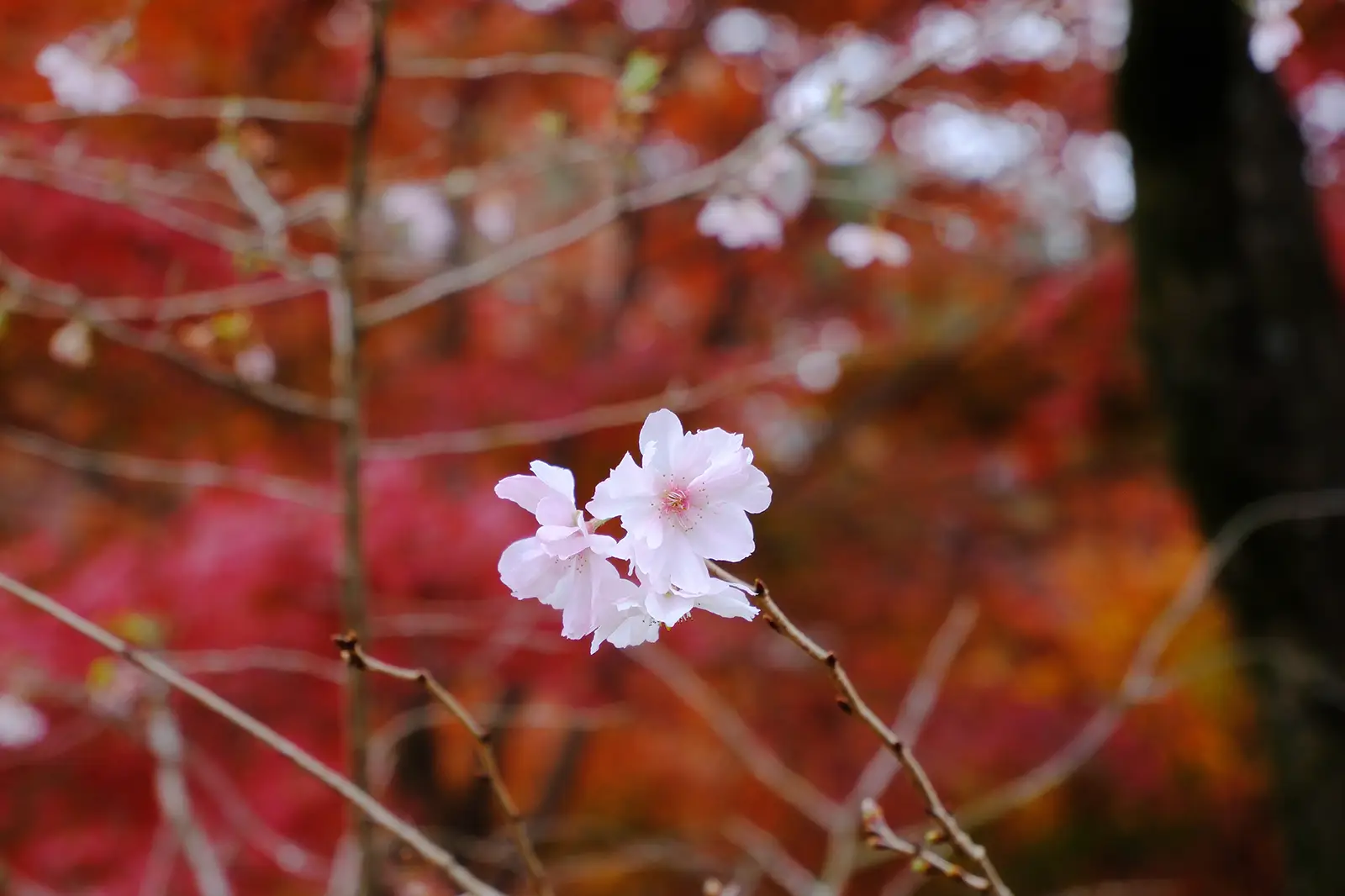
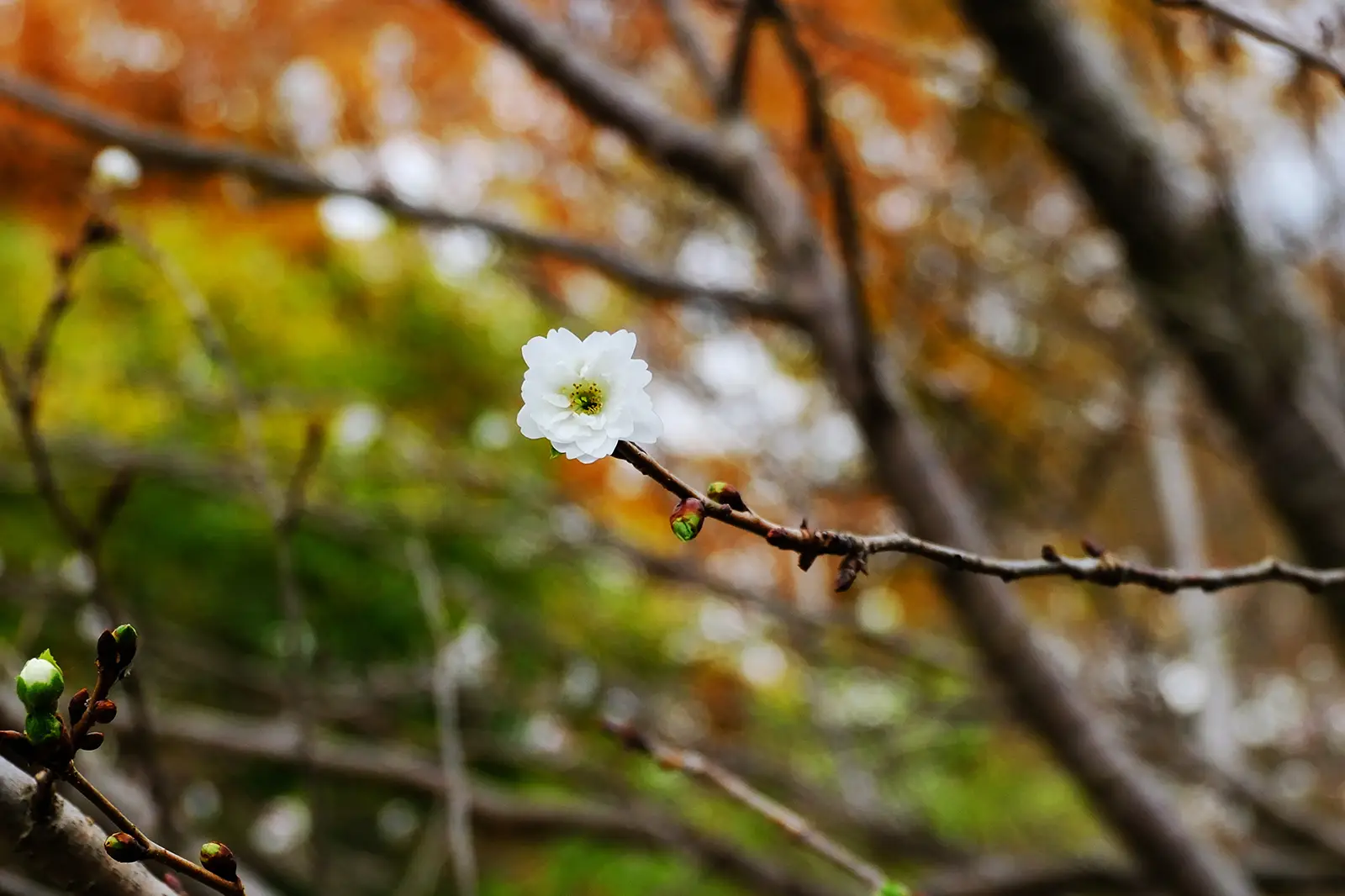
The cherry blossoms of Kyoto are not limited to spring. There are also special varieties that you can encounter blooming quietly alongside fall leaves or in crisp winter air.
Myoren-ji Temple
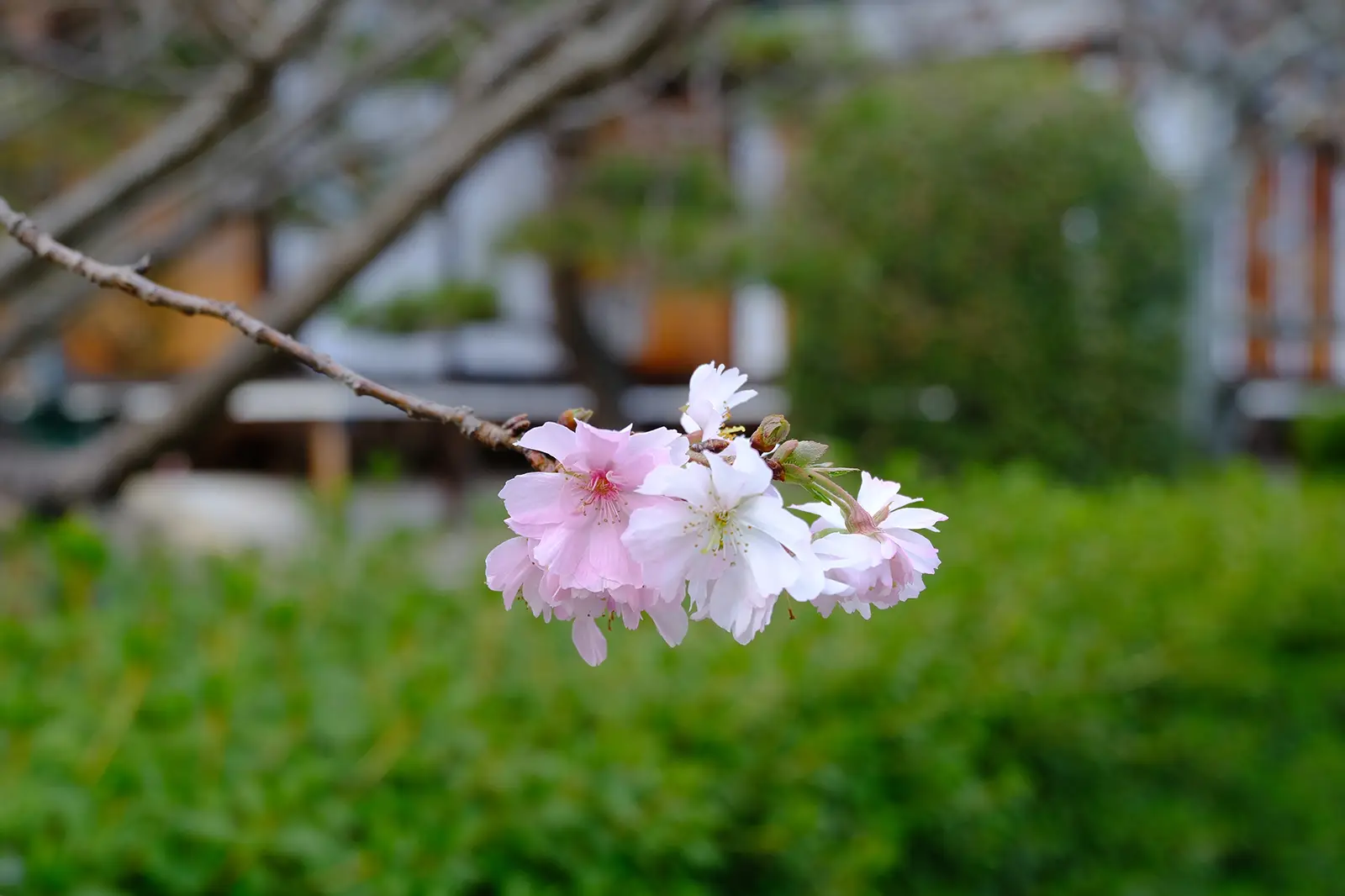
The oeshikizakura of Myoren-ji Temple are named after the anniversary of the death of Nichiren Shonin (1222–1282), the founder of Nichiren Buddhism.
This extremely rare variety begins to bloom in October and continues to flower until the following spring. Its delicate blossoms unfold quietly in the crisp air of the temple grounds amidst the deepening cold of winter, a sight that evokes the powerful vitality of life quite unlike the splendor of spring.
Kyoto Prefectural Botanical Gardens
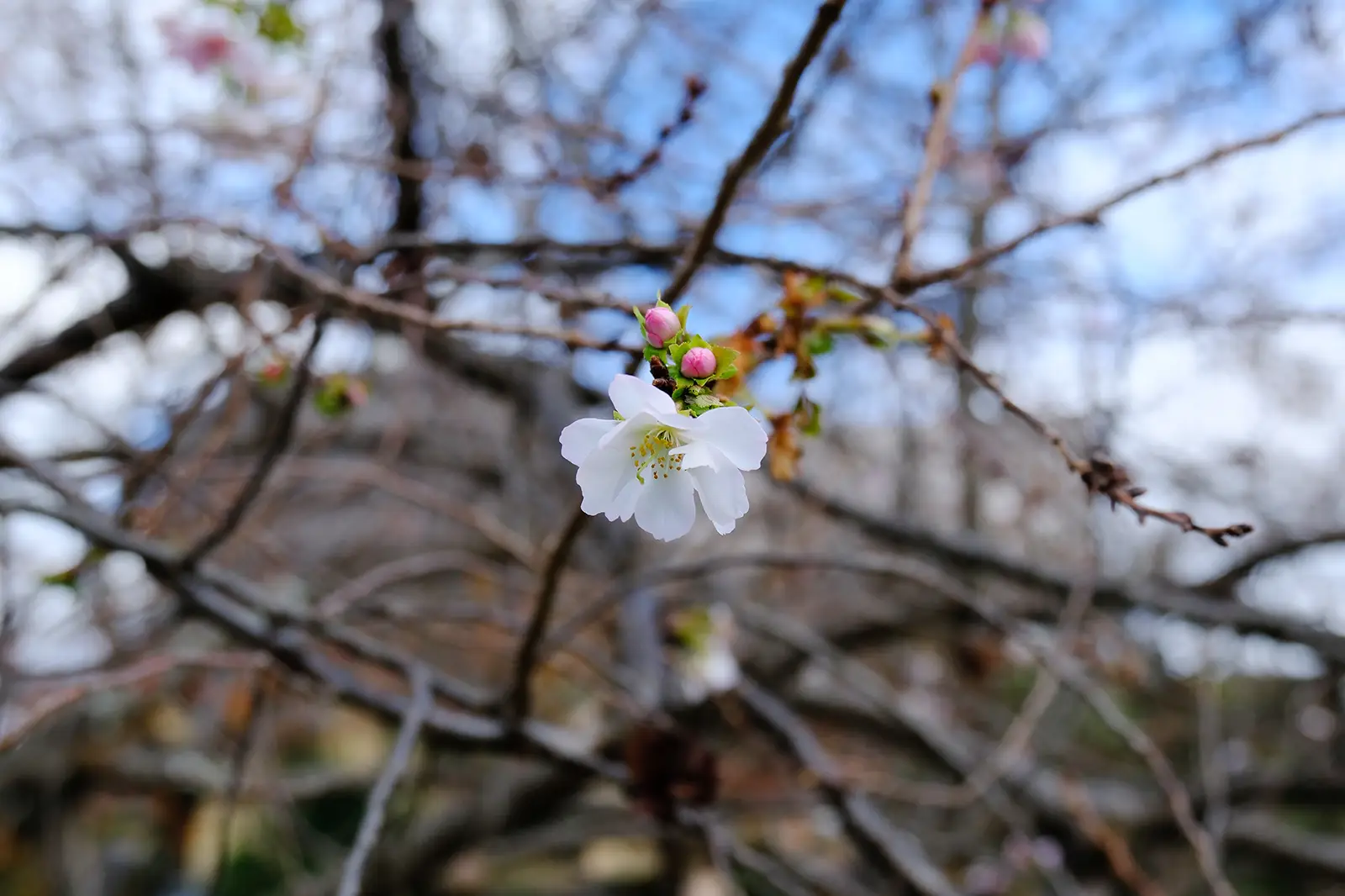
In fall and winter, the vast grounds of Kyoto Prefectural Botanical Garden offer the chance to encounter rare varieties of cherry trees that bloom in colder times, such as jugatsuzakura and koguzakura. In these gardens, where a diverse range of plants thrive throughout the year, you can discover a new side to cherry trees with each shifting season.